Restaurant criticism used to be a fairly simple racket. A small number of people ate dinner on expenses, filed 1,200 words by Thursday and told the rest of us whether the risotto was worth crossing town for. You did not have to agree with them. You just had to understand their tastes. AA Gill could reduce an ambitious new opening to rubble before Sunday lunch was over. Michelin inspectors were less entertaining, but a star beside a restaurant’s name could transform its bookings, prices and international reputation. It was an absurd amount of power to give anyone with a notebook and a functioning digestive system. Still, it gave diners somewhere to start.
Now we have everything. TikTok videos. Instagram reels. Google ratings. Reddit threads. Influencers. Food bloggers. Celebrity chefs reviewing other celebrity chefs. Restaurant-ranking apps populated entirely by people whose palates you know nothing about. You can watch 40 reviews of the same burger without discovering whether it tastes any good. The reviewer closes their eyes, nods solemnly and informs you that the experience is “actually insane”. It is rarely insane. It is usually a pretty standard lunch.
The Old Critics Were Not Saints
There is no need to pretend that the previous system was perfect. Professional criticism concentrated an enormous amount of influence among a fairly small social circle. Certain cuisines were treated as serious and others as cheap. A French tasting menu might receive 1,500 words about its chef’s creative vision, while an excellent family-run noodle shop was lucky to make a listicle. Critics could be pompous, snobbish and occasionally more interested in displaying their writing than explaining the food. But the best of them offered something useful: consistency.
After reading someone for several years, you knew what irritated them, what impressed them and which prejudices needed to be mentally deducted from the final score. When Gill hated somewhere, part of his readership knew immediately that they might love it. When a critic obsessed over attentive service and linen, you could adjust accordingly if you were mainly interested in noodles and somewhere that stayed open after 10pm. Their bias was visible. That made it useful. An anonymous five-star rating from somebody called BurgerKing1987 provides less to work with.
TikTok Can Find Great Food
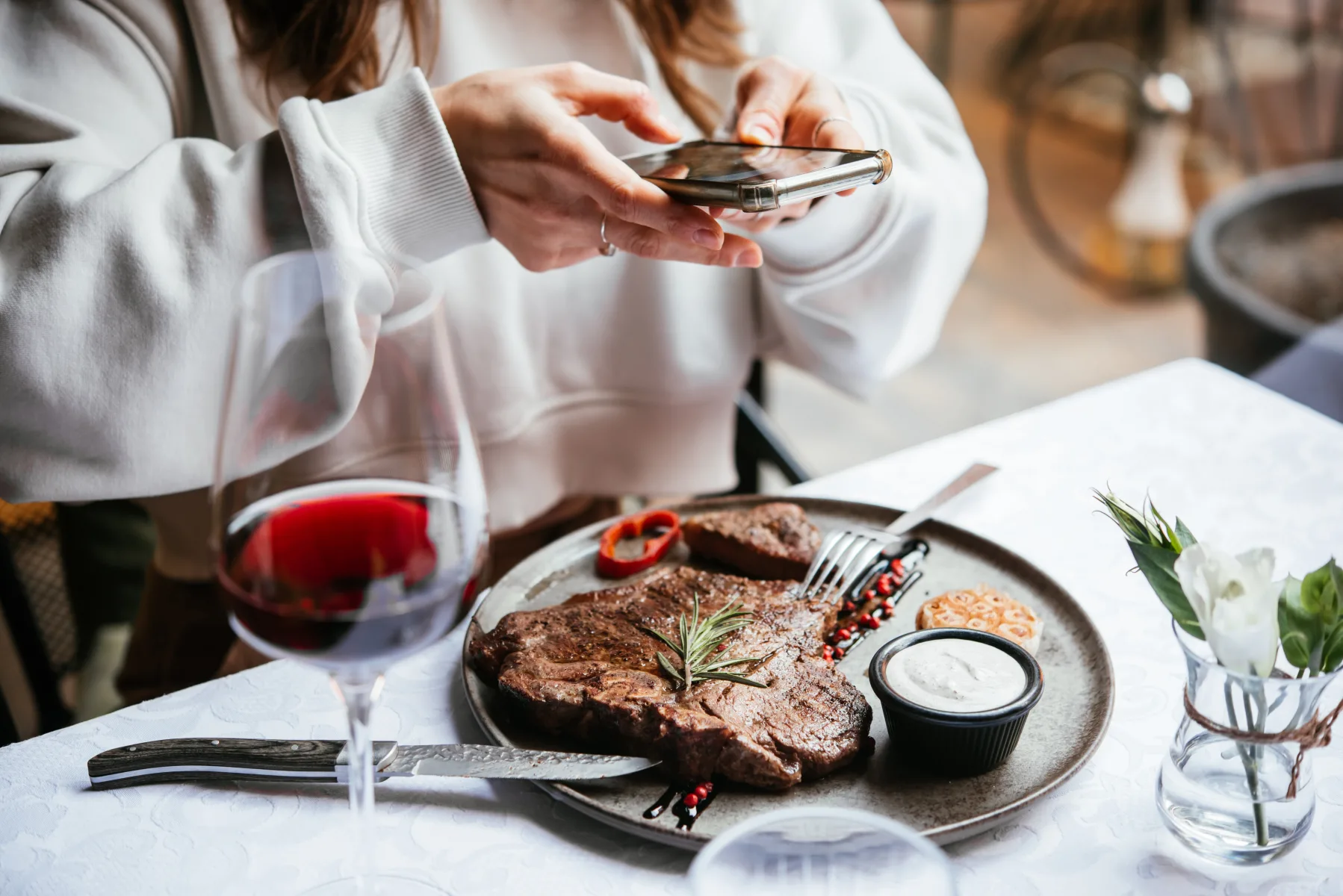
The new system is not useless. Far from it. Social media has dragged food coverage away from the same grand dining rooms and towards bakeries, market stalls, regional cooking and family-run restaurants that traditional critics often overlooked. A brilliant dish can now find an audience without a publicist, launch party or chef who has previously appeared on MasterChef.
The problem starts when discovery becomes a stampede. One video takes off. Then 20 creators arrive to film the same dish from slightly different angles. A queue forms outside. The restaurant simplifies the menu to handle demand. Prices rise. Regulars decide they cannot be bothered. Six months later, visitors complain that the place is overrated, unaware that they are reviewing a different restaurant from the one that went viral. They are not necessarily wrong. They are simply late. TikTok is excellent at telling you what everybody wants to eat this week. It is less reliable at telling you whether you personally will enjoy eating it.
Reddit Is Better, Until It Isn’t
Reddit has the opposite problem. It is visually appalling, unnecessarily argumentative and often requires reading 200 comments to discover that the restaurant everyone recommends closed nine months ago. But local forums can contain genuinely useful knowledge. People challenge bad recommendations. Regular contributors reveal their tastes over time. Obvious promotional posts are sometimes spotted and dismantled with the sort of forensic enthusiasm normally reserved for political corruption. Then somebody confidently declares that every popular restaurant is “mid”, and the whole thing collapses into a competition to appear less impressed than everyone else.
Online food discussion rewards certainty. Unfortunately, certainty and knowledge are only distant relatives. The person writing a detailed explanation of why a particular kitchen has declined may be a chef with 20 years of experience. They may also be a man furious that the waiter would not charge his phone. You are expected to work that out for yourself.
The New Critics Look Suspiciously Like the Old Ones
What has quietly emerged from all this noise is a smaller version of the old system. Independent food writers are building audiences through newsletters and subscriptions. Publications such as Vittles mix criticism with reporting about neighbourhoods, migration, labour, class and the culture surrounding food. Individual writers produce city guides, restaurant reviews and local recommendations for readers willing to pay a few pounds each month.
For less than the price of one disappointing cocktail, you can follow somebody long enough to understand their judgement. A useful critic does not have to be employed by a newspaper. They need to be consistent, independent and capable of explaining why something is good without yelling “ten out of ten” while mozzarella hangs from their chin. They also need to criticise things occasionally.
Social media creators depend on access, invitations and a steady supply of restaurants willing to host them. A brutal review may perform well once, but it does not encourage the next restaurant to provide dinner and flattering lighting. Professional critics traditionally avoided that problem by remaining anonymous and paying for meals. Independent writers can do the same, provided their readers are willing to fund the work. That is less glamorous than receiving free tasting menus. It is also more trustworthy.
Stop Asking the Entire Internet
The real mistake is expecting one platform to provide the answer. TikTok is good for seeing what is new. Reddit is useful for local argument. Google tells you whether a restaurant is open and whether 70 people have recently complained about the toilets. A critic or newsletter tells you what one informed person thought, expressed through a set of tastes you can learn. Use all of them, but do not confuse volume with authority. The old gatekeepers have not disappeared. They have multiplied, abandoned their uniforms and started competing with people filming vertically. The solution is not to trust everyone. It is to find two or three voices whose judgement overlaps with yours and ignore most of the rest.
That may sound elitist. It is still considerably less elitist than spending £150 because a stranger whispered “hidden gem” into their microphone…