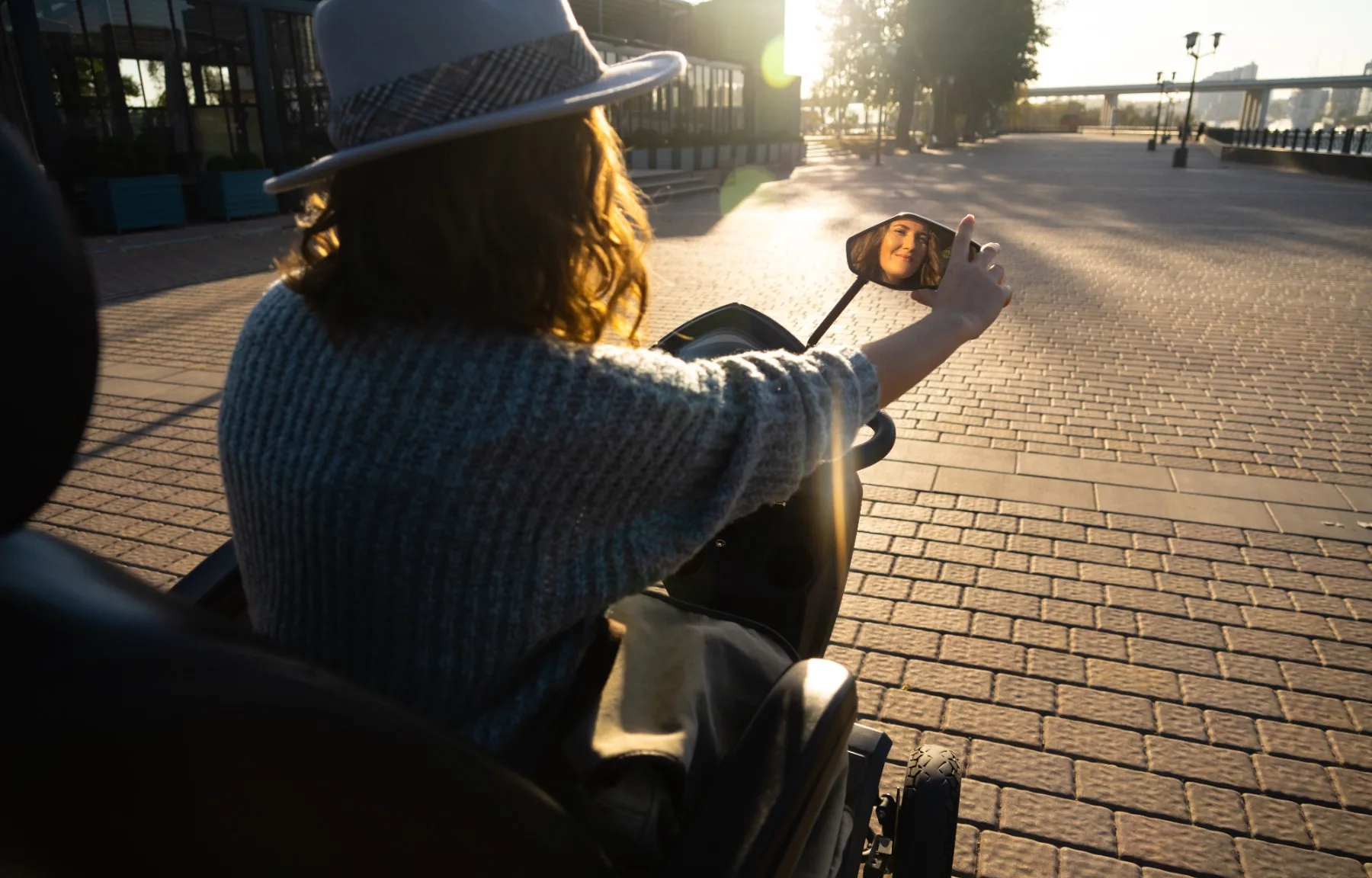
Those who are using a mobility device, be they a mobility scooter or wheelchair to recover from an illness or injury, should be encouraged to reach a point where they are able to achieve full or at least partial mobility as the improvements this brings are numerous including health, wellbeing and quality of life.
As we move, be it walking, bending or changing position, we are using our muscles and in so doing, strengthening them. This reduces the possibility of suffering injuries from weakness.
This too reflects the state that bones reach if their density is not maintained. Exercise can prevent the chance of bone breakages due to any deficiency in their composition.
Unfortunately, atrophy, or muscle wastage is commonplace without some form of exercise. They shrink or become weaker, and you cannot depend on them as much, even after a short period of inactivity.
Trying to establish some activity routines can count as small victories. They will keep up the benefits your bones and muscles get from some form of exercise and allow you to wash, dress and go to the toilet without some form of aid.
Joints are another part of the body which require regular movement to keep stiffness at bay. Frozen joints can cause problems with reaching, eating and getting dressed.
Good circulation, particularly of blood, abates certain problem areas for those with deprived mobility. With exercise, blood flows considerably more easily around the body, carrying not just oxygen to the muscles and organs, but essential nutrients too.
Other benefits of improved circulation include the lessening of the likelihood of blood clots, maintaining normal blood pressure, helping wounds heal faster and cardiovascular health as well.
Getting the best from your heart materialises with increased activity, as the organ is strengthened and can be a contributory factor in living healthier and longer.
The lungs work better with exercise as breathing becomes deeper and more effective, getting more oxygen into the body.
Your digestive system responds too to regular exercise since it improves gut health, blood flow and metabolism. It gets the bowel working faster too! This latter point helps with appetite and nutrition and reduces discomfort or pain liked to poor digestion.
Your balance and awareness of your surroundings are improved with regular activity. Alertness and mental sharpness are more acute and can prevent some accidents before they happen. Better coordination can prevent falls. These are often the cause of serious injury.
Avoiding the discomfort of pressure sores is lessened by getting some form of exercise. These are more prominent for those lying or sitting for prolonged periods, due to a lack of blood flowing to the skin.
Maintaining and improving mobility brings many benefits. Supporting movement is a basic part of ongoing healthcare, and if you are able to rely on a carer, friend or member of the family to help with the actual act of getting some exercise or the encouragement sometimes needed to start the process, the physical and mental wellbeing experienced by someone deprived of mobility should not to be overlooked.