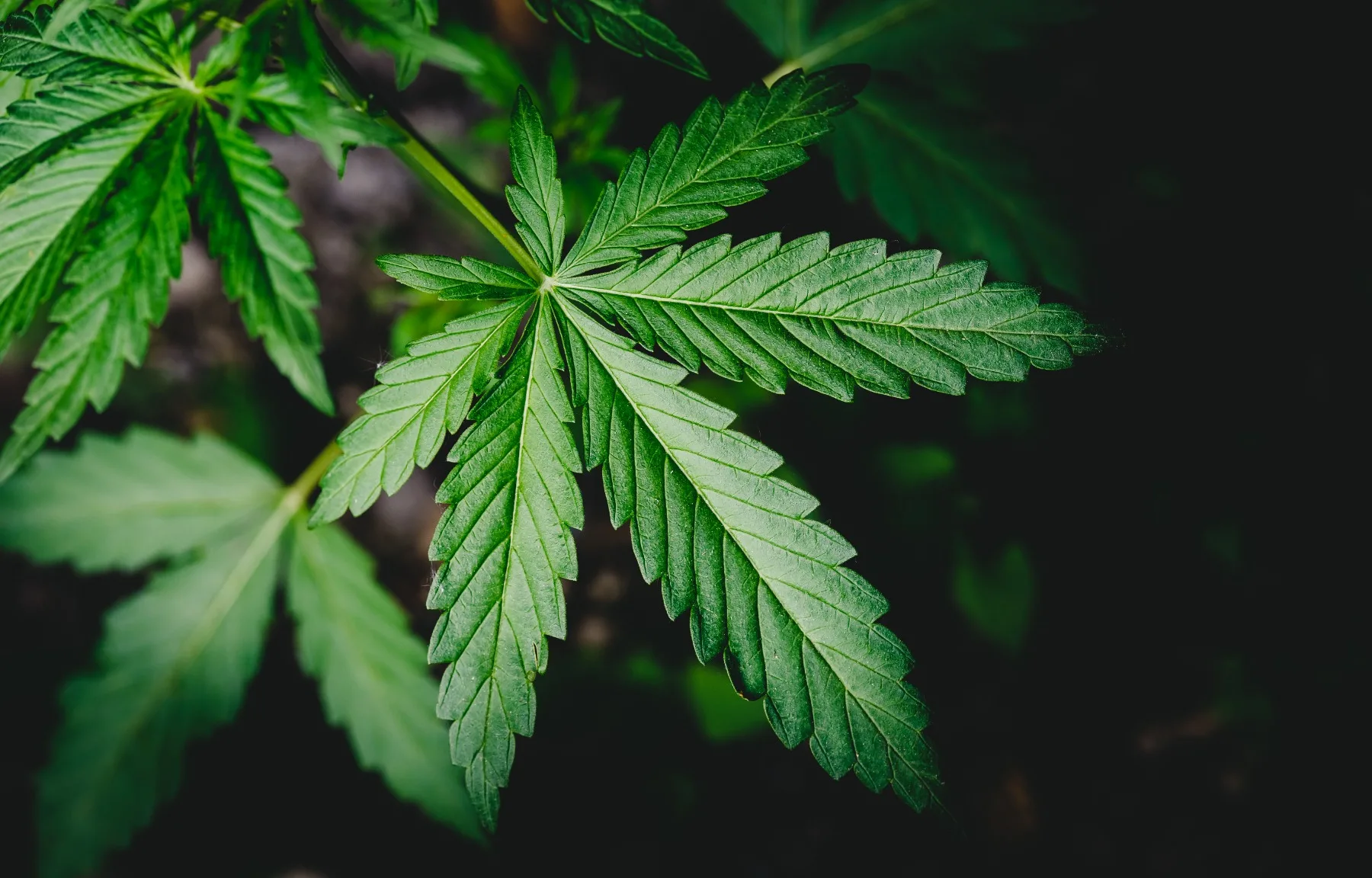
Mention to anyone in a pub that cannabis might soon be legally prescribed in Britain and you’re sure to get the side-eye. It’s been legal since 2018, but the language we use about cannabis in the UK doesn’t reflect that.
The trouble is that it’s easy to confuse two whole different things. Recreational marijuana is still not legal. You can get a prescription for medical cannabis. Separating the two makes it a whole lot less complicated.
So how do you get it?
Not by popping down to the pharmacy and asking for some cannabis off the counter. To get a medical cannabis prescription you will need to be examined by an approved specialist. One example is Alternaleaf, a medical cannabis facility in the United Kingdom that helps patients suffering from chronic pain, anxiety, post-traumatic stress disorder or insomnia.
History of treatments is also important. I think if you just started to have back pain then that is a different situation from having been on normal therapies for years and not getting adequate relief.
There’s no assurance the visit will end in a prescription. There are times when cannabis-based treatment is simply not the right choice. That seems obvious, but it’s worth stating because this topic has earned a strange reputation online. Medical cannabis is sometimes depicted as merely a legal way to obtain cannabis, provided you can get a prescription. And that’s not counting the medical problem.
Why does the NHS make things seem so complicated?
The NHS can be confusing and your experience may be different if you speak to your GP about medical cannabis than going to a private clinic.
Access to the NHS is still restricted. And this is part of the reason why even with medicinal cannabis legal for years, many people don’t actually know anyone with a prescription.
The rise of private treatment has made it more public, but it also means patients need to know who they are dealing with. A great website and a few glowing testimonials are not going to cut it in terms of building faith in you on this front.
And what about CBD oil?
No, that bottle of CBD oil you see sitting on the shelf at the health shop isn’t the same thing. That particular misunderstanding seems to pop up a lot. There is a world of difference between the products offered to consumers and the cannabis-based medicines that are prescribed. The package may talk about peace, sleep or wellbeing, but that doesn’t make the product a prescribed medicine.
Getting a prescription isn’t the end of the story
If a therapy is determined by a doctor, then there should be follow-up care. How are you getting on with it? Does it help? Any adverse effects? Are you taking anything else the physician should know about?
Actually, these are quite boring questions. But they’re also exactly the kinds of questions we would expect to be asked when other prescription drugs are involved, so that’s probably a useful way to think about it.
Patients also have to adapt to other practicalities. The dispensed cannabis should be kept in the original packet with the pharmacist’s label, not thrown into an anonymous container. You may need to do a bit more planning to take it with you, especially if you are travelling outside the UK, as the rules in another country could be very different.
Something being legally prescribed in Britain does not automatically mean you can take it anywhere. Anyone travelling abroad with prescribed medical cannabis needs to check the rules for the country they are visiting before they leave. That is one of those details that is much easier to sort out at home than at an airport.
Legal? Yes. Casual? No.
The change in the law did not make cannabis immediately available for everyone with insomnia, anxiety or chronic pain. And it did not make it risk-free.
Not everyone will qualify. Some people may do better with other therapies. If you are thinking about it, you should discuss the possible pros and downsides while considering your own health, not someone else’s experience on Reddit or TikTok. That is probably the part of the story that Britain is still catching up with. For decades the public debate was very simple. Cannabis was an illegal drug. Now there’s another conversation going on at the same time – one about doctors, pharmacies, prescriptions and patients.