
After a hot shower, all that steam needs somewhere to escape. Otherwise, it can settle on walls, ceilings, and grout. This creates the damp conditions that can eventually lead to mould and other problems.
Choosing the right bathroom exhaust fan isn’t just about picking the first model that fits the wall. You’ll need to think about the size of the room, how much airflow you need, which features are useful, and where you’ll place the unit. I’ll take you through the main types available, the features to look for, and practical placement considerations, so you can make a more informed choice.
Importance of Bathroom Extractor Fans
If moisture lingers in your bathroom, it can settle on cooler surfaces and contribute to condensation, mould and damp-related damage over time. Good ventilation helps remove humid air before it becomes a problem, while also reducing lingering odours and keeping the space feeling fresher. It can also help protect surfaces such as paint, plaster and grout from prolonged exposure to moisture. If your space has little or no natural ventilation, fitting suitable mechanical extraction can be particularly important.
What to Look For
Before choosing a model, look beyond the extraction rate. A few smaller details can greatly affect how well the fixture fits into your home and how easy it is to live with.
-IP rating should be one of the first things you check. This indicates how well the fan is protected against moisture and water reaching its electrical components. Choosing IP-rated ventilation for the bathroom is particularly important in a room where steam and splashes are common. For example, IPX4 means the unit is protected against water splashes from different directions, while IPX5 protects against water jets. Higher ratings, such as IPX6, offer greater protection against powerful water jets.
-Noise: Nobody wants loud bathroom ventilation interrupting their morning shower, particularly if it’s close to a bedroom. Axial models are often quieter, while some low-noise options can operate at around 16 dB. Anything below 30 dB is generally considered quiet for everyday use.
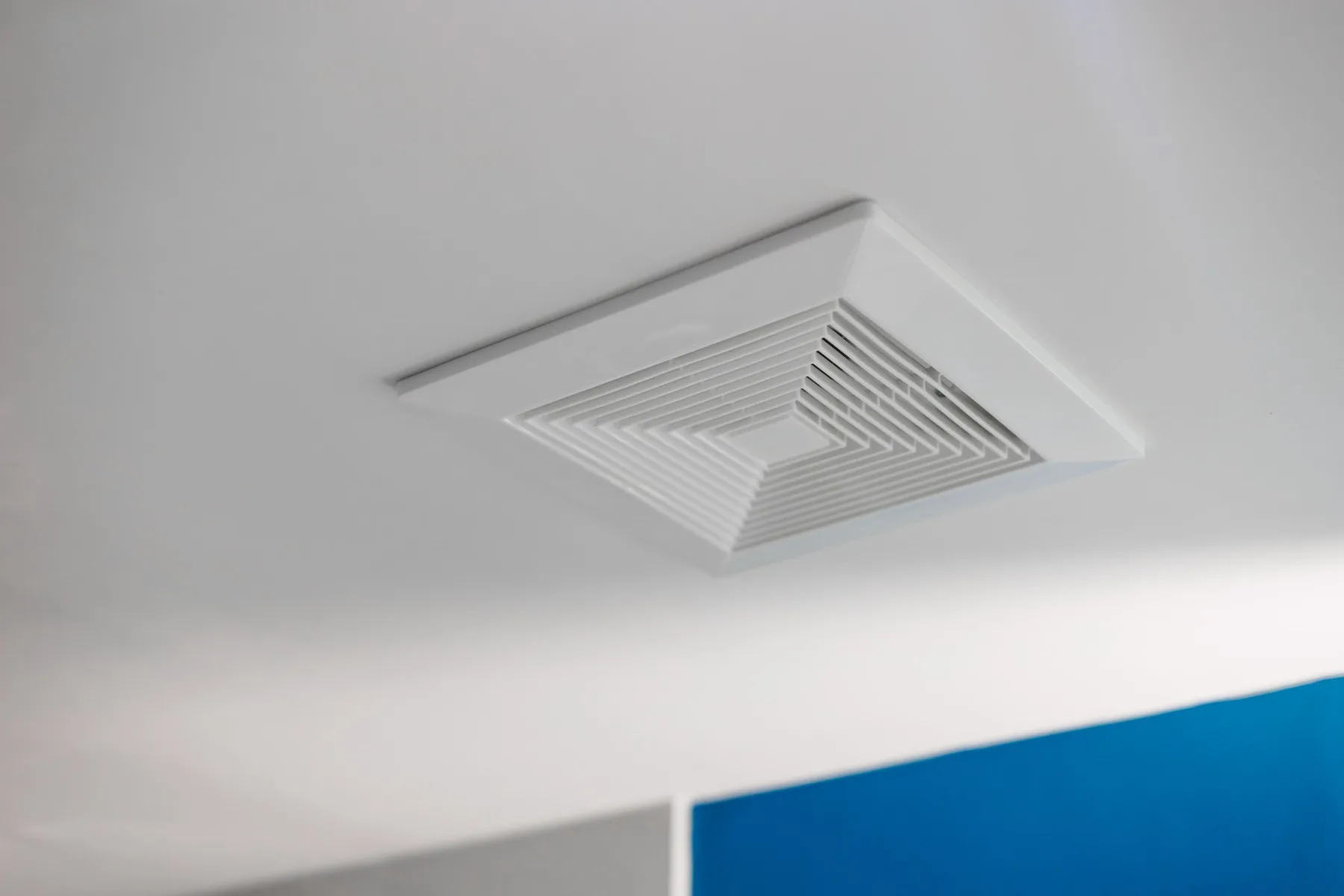
-Energy use: Look at the fan’s wattage if you’re concerned about running costs. Timer settings can prevent unnecessary operation, while a humidity sensor can switch the unit on when moisture levels rise.
-Size: The required fan size depends on the room and the ventilation system. A 100mm model is commonly used in smaller spaces, while larger rooms may need a 150mm unit.
-Controls: You can choose from simple manual switches, pull cords, timers, humidity sensors, or combinations of these. A run-on timer, for example, keeps the fan working for a while after you leave.
-Appearance: There’s no need to settle for plain white if that’s not your style. Chrome, black, and other finishes are available, making it easier to choose something that works with your existing fittings.
Taking these features into account can help you find a model that’s effective without becoming an annoying or overlooked part of your daily routine.
Choose the Right Extraction Rate
Getting the airflow right is just as important as choosing the fan itself. Ventilation for bathroom with too little power may struggle to clear steam and humid air, while going much larger than you need can mean using more electricity than necessary. Work out the room’s approximate volume by multiplying its length, width and height in metres. This gives you a useful starting point when comparing extraction rates. For a small ensuite or shower room, around 85m³/h may be suitable, while a larger family bathroom could need closer to 230m³/h.
Intermittent fans need to achieve at least 15 litres per second, while continuously running fans have a minimum rate of 8 litres per second. These figures provide a baseline, but it’s useful to choose a little more capacity if the room has both a bath and shower or limited natural ventilation.

Where to Position Your Fan
Where you install your shower ventilation can make a surprising difference to how well it removes steam. Even a powerful unit may struggle if it’s positioned too far from the main source of moisture, leaving you with a foggy mirror and lingering condensation. Ideally, place the fixture close to the shower or bath, while still following the relevant electrical safety requirements for its location. Mounting it high on the wall or ceiling also makes sense because warm, humid air naturally rises. As a general guide, you should position the fixture no more than around 400mm below the ceiling where practical.
The ductwork also matters. Keep the route as short and straight as possible. This improves airflow and reduces places where condensation can collect. If the duct passes through a cold loft, insulated ducting can help limit condensation. A slight fall towards the outside can also help moisture drain away rather than collecting in the duct.
Types of Extractor Fans
What are the different types of extractor fans? Not every fixture is designed for the same setup. The main thing to consider is how far the stale, humid air needs to travel before it can leave your home. A short route through an outside wall calls for a different approach from a long duct running through a loft. The three main options are:
-Axial fans: These are a common choice for smaller rooms where the fixture can vent straight through an external wall. They’re compact, relatively inexpensive, and work best when the duct run is short, generally around 2–3 metres or less.
-Centrifugal fans: With stronger pressure capabilities, these can cope better with longer or more complicated duct routes. Consider this option if you plan the fixture to be further from an external wall or where air needs to travel vertically through the ceiling.
-Inline fans: Usually fitted in a loft or another concealed space, these connect to the room through ducting. They’re particularly useful when the outside wall is some distance away. Because the motor sits away from the room, they can also be quieter, although installation tends to be more involved and costly.
Choosing an extractor fan doesn’t have to be complicated. Focus on the room’s size, the amount of airflow you need, where the fan and ductwork will go, and the features that matter most to you. If you get these basics right, your space will stay fresh and comfortable. Take your time comparing suitable models, and you’ll be much more likely to find one that works well for your home.