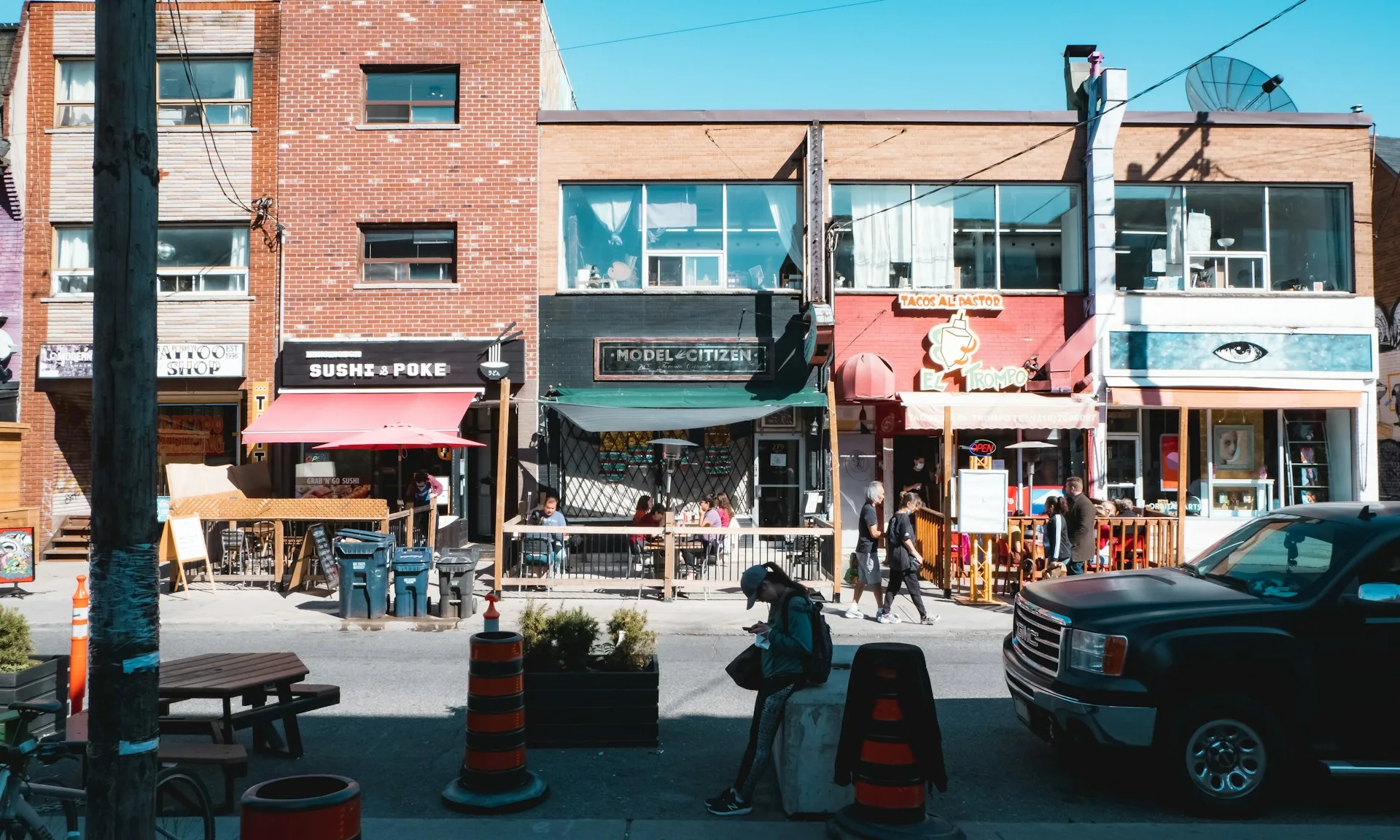
Canada legalized recreational cannabis in 2018. For visitors, that can be a surprise, and the details are easy to get wrong. The law is clear, but it is not a free-for-all.
Knowing the basics keeps a trip smooth and legal. The system runs through licensed sellers, including sites such as an online dispensary canada residents order from. This is an informational overview of the legal market, not a purchase recommendation, and rules vary by location.
Why Is Cannabis Part of the Canada Travel Conversation?
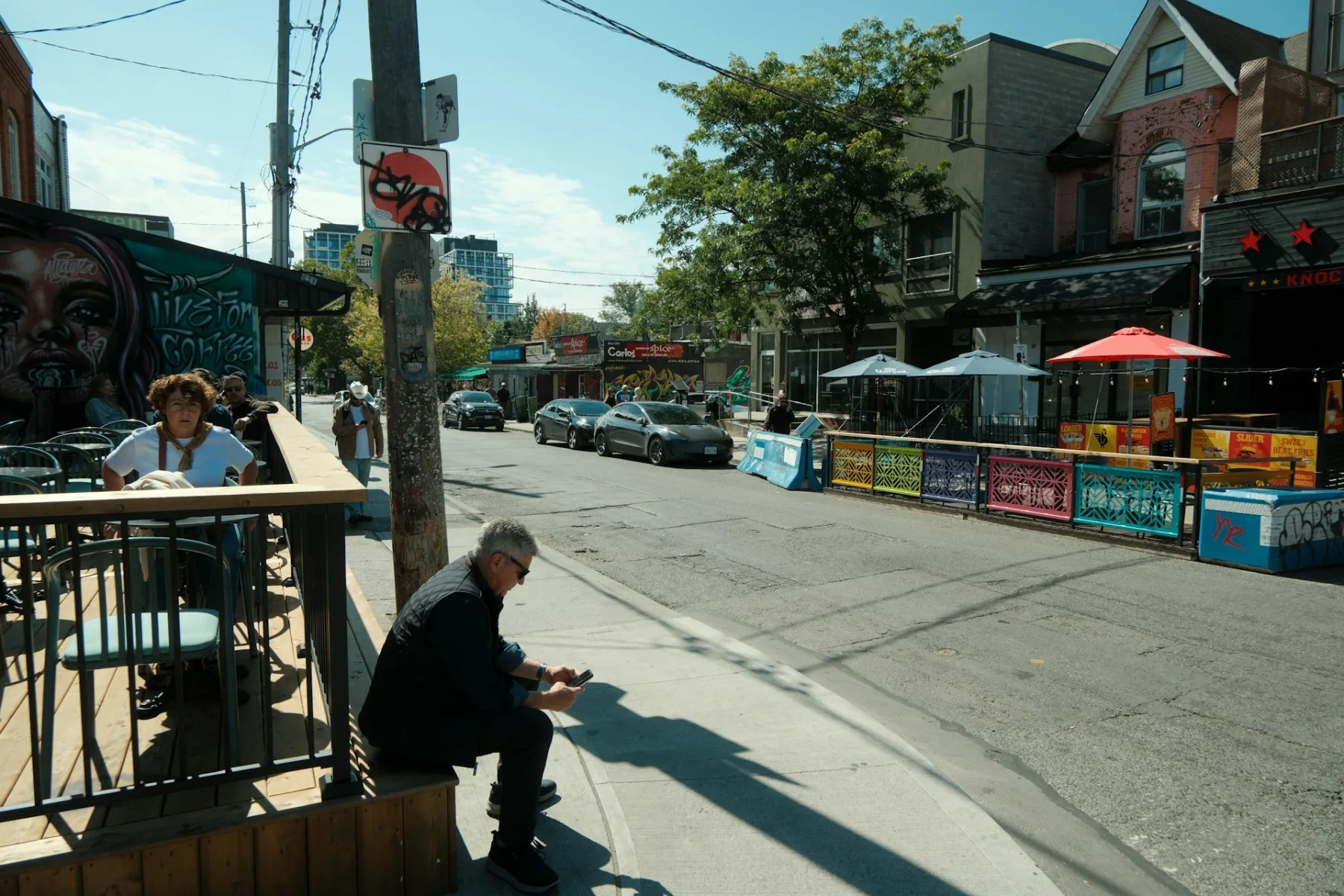
Cannabis is simply visible in Canada now. Licensed shops sit on ordinary high streets, and the topic comes up like any other local law. Curious travelers tend to have questions.
The rules are stricter than the storefronts suggest. Legal does not mean unlimited, and each province sets its own limits. A little reading prevents an easy mistake.
There is also a health side worth respecting. Public agencies like the CDC note that effects vary by person and product. Adults who choose to partake do best when they understand that.
Curiosity is natural, and that is fine. Cannabis is part of the modern Canada experience for many visitors, much like sampling local food or drink. The point is to treat it as one more local law to learn, not a novelty to rush.
How Does Canada’s Legal Cannabis System Work?
The framework is national, but the retail is local. Here is how the pieces fit together.
- Federal law. The 2018 Cannabis Act made recreational use legal nationwide for adults.
- Provincial rules. Each province sets the legal age, either 18 or 19.
- Licensed sellers. Only authorized stores and sites may sell legally.
- Possession limits. Adults may carry up to 30 grams in public.
- Online retail. Residents can order from licensed online stores under provincial rules.
- No border crossing. Taking cannabis in or out of Canada is illegal, even to legal states.
That last point catches visitors most often. What is legal inside Canada stays inside Canada.
Airports enforce this strictly. Even flying between two provinces, you should not assume the rules are identical. Domestic travel with legal cannabis is allowed within Canada, but international flights are firmly off limits.
The system rewards a little homework. Each province runs its own retail model, from government stores to private shops. A quick look at the provincial website before you arrive clears up most questions.
What Are the Rules for Visitors?
Tourists can buy legally, with limits. You must meet the provincial age and buy from a licensed seller. A passport or valid ID is often required at the door.
A dispensary is a licensed shop that sells regulated cannabis products. Prices, taxes, and selection vary by province. Staff can explain product types, which helps first-time buyers.
Where you consume matters too. Many provinces ban public use, so a hotel or rental may not allow it either. Always check local rules and your accommodation policy first.
Product types can confuse newcomers. Dried flower, pre-rolls, edibles, and oils all behave differently. Staff at a licensed store can walk you through the options and typical strengths.
Keep your receipts and packaging. Legal products come in plain, labeled containers for a reason. That labeling shows what you bought and confirms it came from a licensed source.
Where Can You Legally Buy and Use It?
Access depends on the province you are visiting. The table below shows the general picture.
| Point | What to expect |
| Legal age | 18 or 19, depending on the province |
| Where to buy | Licensed physical stores and provincial online sites |
| Public limit | Up to 30 grams carried in public |
| Where to use | Often private property only; public use varies |
| Crossing borders | Never legal, in or out of Canada |
Rules shift across provinces, so treat the table as a starting point. When in doubt, ask a licensed retailer or check the provincial website.
What Should First-Timers Keep In Mind?
Go slow if you are new to it. Guidance from bodies like the NIH stresses that potency and personal response vary widely. Edibles in particular take time to take effect.
Plan around your day. Cannabis and driving do not mix, and impaired driving laws are strict. Keep your travel schedule and any tours in mind before you partake.
Respect the setting. Treat it like alcohol in an unfamiliar country, with discretion and local awareness. Responsible, informed choices keep a travel day on track.
Mind your budget and your limits. Legal products carry tax, so prices can be higher than expected. Buying a small amount first is smarter than overcommitting on day one.
Finally, do not mix it with your itinerary blindly. If you have early tours or long drives, timing matters. A quiet evening is a safer window than a packed sightseeing morning.
What to Remember
- Canada legalized recreational cannabis for adults in 2018.
- The legal age is 18 or 19, set by each province.
- Buy only from licensed stores or provincial online sites.
- Adults may carry up to 30 grams in public.
- Never carry cannabis across the Canadian border.
- Check local and accommodation rules before you use it.
Traveling Smart In a Legal Market
Canada’s legal cannabis scene is easy to handle once you know the rules. Mind the provincial limits, buy from licensed sellers, and never cross a border with it. Informed and low-key is always the right approach.
Frequently Asked Questions
Can Tourists Legally Buy Cannabis In Canada?
Yes, adults who meet the provincial age can buy from licensed sellers. You may need photo ID at the door. Possession and use rules still apply everywhere.
What Is the Legal Age for Cannabis In Canada?
It is 18 or 19, depending on the province you are in. Retailers check ID before any sale. Buying for a minor is a serious offense.
Can I Take Cannabis Out of Canada?
No. Carrying cannabis across the Canadian border is illegal in both directions. This holds even when your destination has legalized it.
Where Can Visitors Use Cannabis?
Usually on private property that allows it, not in public. Many provinces restrict public use, and hotels often ban it. Always confirm the local and venue rules first.