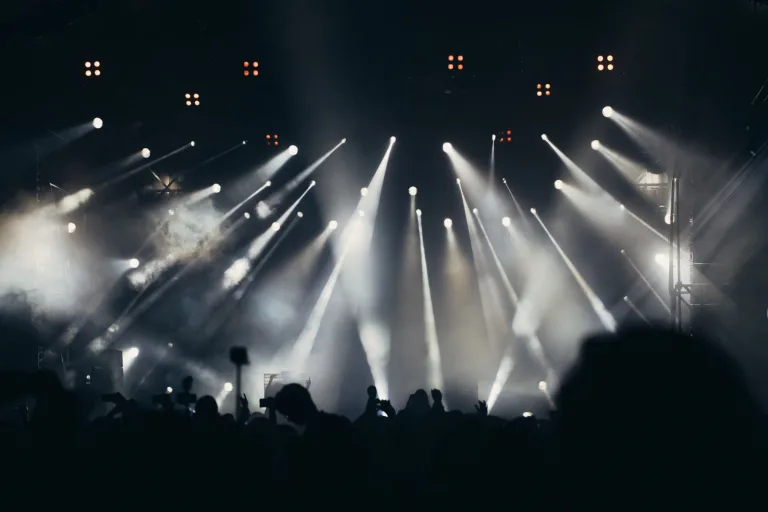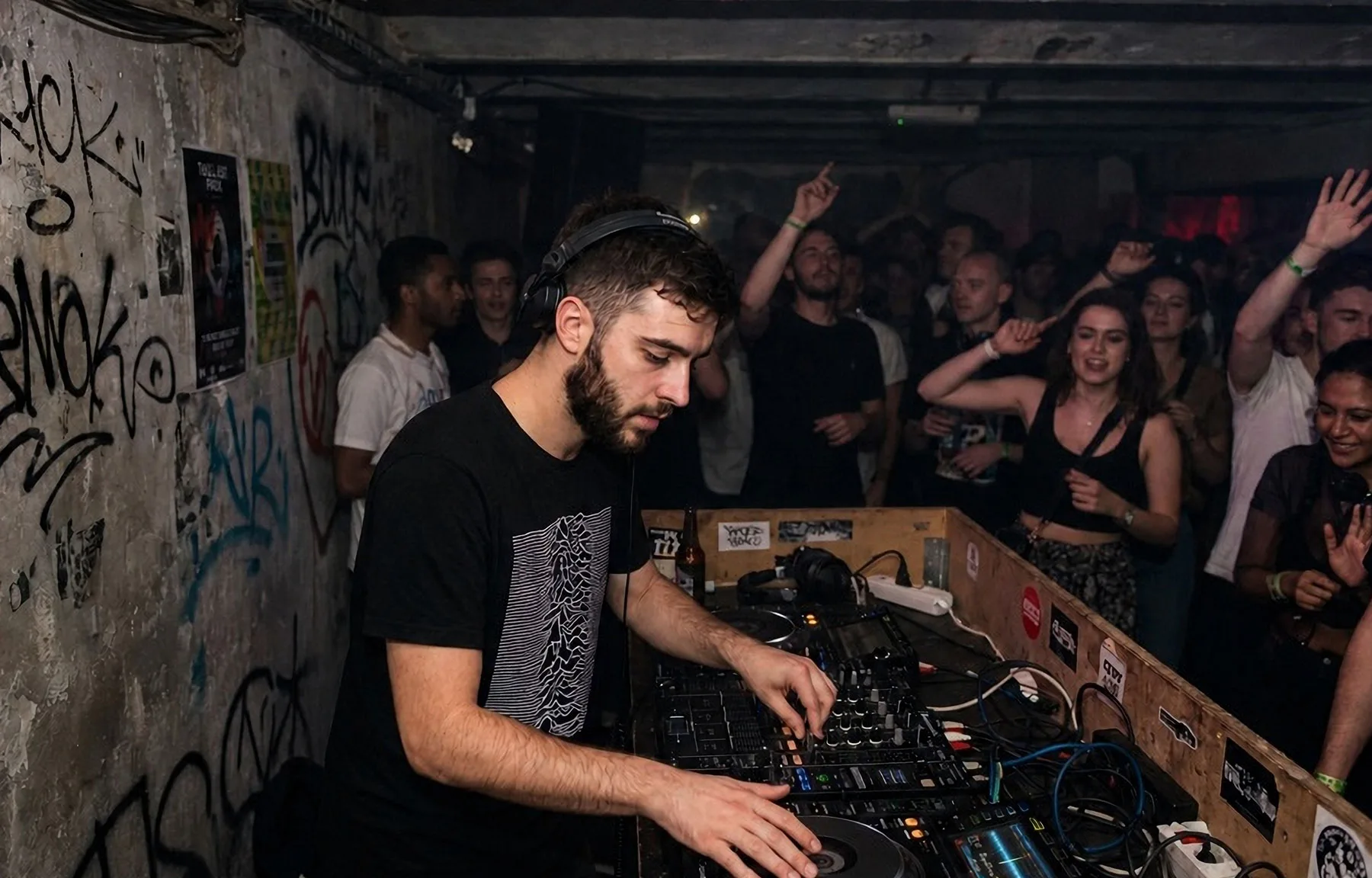
Dubstep didn’t die in a blaze of glory. It got slowly carpeted over by festival merch stands and Skrillex fan accounts until the original thing became almost unrecognisable. By the mid-2010s, what started in Croydon council flats and South London nights like FWD>> had become a product sold to American college students at £200 a ticket. Everyone who was there at the start has a strong opinion about exactly when it went wrong. The disagreement is about the year, not the fact.
Over a decade on from that commercial peak and the collapse that followed, bass music as a broader category is thriving. Dubstep, UK garage, grime, footwork, jungle, and their various mutant offspring pull serious crowds. The music is good. The problem is structural, and it has been there since the start: this is working-class music that increasingly costs a middle-class income to take part in.
The numbers are blunt. A standard London club night running bass-heavy programming sets you back £15 to £30 on the door. A festival slot in a field runs £200 to £280 for a weekend ticket before you’ve bought a tent or a train. Fabric, still one of the few venues where the programming reflects the music’s DNA, charges £20 to £35 depending on the night. None of that is unusual for 2026. All of it adds up to a scene that prices out the demographic that built it.
The point isn’t that Plastic People was better. It’s that it was affordable. The FWD>> nights there charged single figures on the door because that’s what the crowd could afford. The music made sense at that price, in that room, with those people. Move the same music to a corporate-sponsored festival stage with VIP sections and £9 cans of Red Bull and something changes in how it lands, not in the music itself but in who it’s for.
What makes this harder to argue cleanly is that the artists are largely working-class people trying to make a living from music, and the economics of streaming have made touring income essential. Producers like Skream and Benga who built the original sound are not the villains for wanting to pay their rent. Streaming platforms, labels, agents, and promoters taking the lion’s share of the margin while complaining about ticket prices are a more productive place to aim.
The underground still exists. Free parties still happen. Pirate radio still has a pulse, and YouTube uploads of old sets get hundreds of thousands of plays from people who weren’t born when they were recorded. What has gone thin is the idea that this scene belongs to anyone in particular. Bass music in 2026 is everywhere and therefore, in some specific way, nowhere.
The culture that produced it has been aestheticised, the rough edges smoothed, the price raised. You can still find the gritty edge if you know where to look, but you increasingly need either an insider’s knowledge or a disposable income to get there.