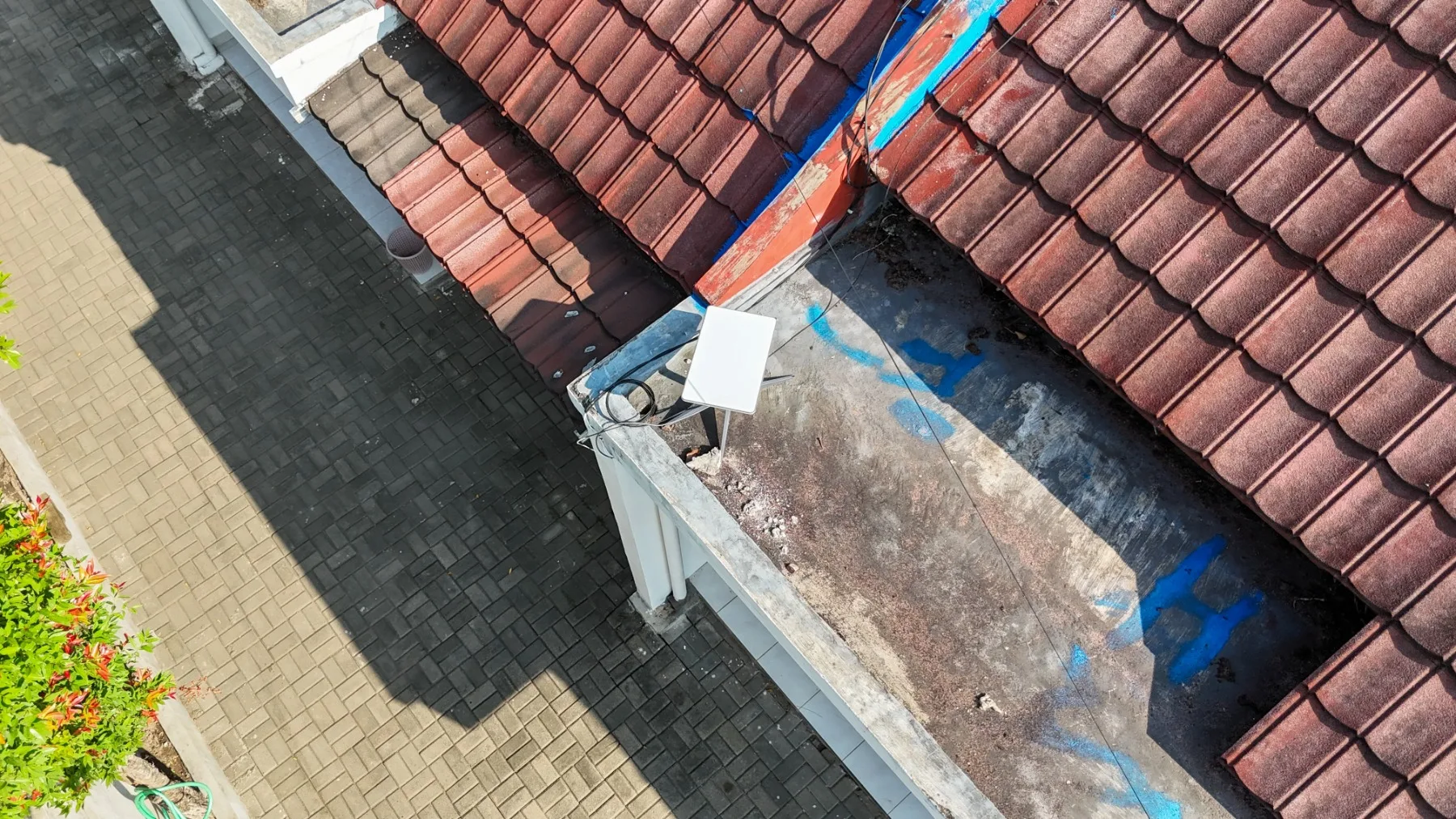
In January 2023, Starlink launched in Nigeria. By the fourth quarter of 2025, Nigeria’s Communications Commission counted 91,991 subscribers on the network, making it the country’s second-largest internet service provider. It had taken less than two years to displace established competitors in a market that Africa’s incumbent operators had spent decades carving up between themselves. Then, in December 2024, Starlink doubled its monthly subscription fee in Nigeria from N38,000 to N75,000. The NCC called the hike unapproved. Starlink charged it anyway. That sequence, arrival, disruption, confrontation, is the story of the technology across the continent in miniature.
By mid-2026, Starlink had secured licences in roughly 30 African countries, reaching an estimated 500,000 users across the continent by the end of 2025, according to an Ookla report, out of approximately 10 million globally. Nigeria, Zimbabwe and Zambia together accounted for about 64 per cent of that African base, per Space in Africa. Ookla’s Speedtest Intelligence found Starlink outperforming local internet providers in almost every African market it had entered in early 2026, with 16 of 23 measured countries clearing 50 Mbps. The performance gap matters because the incumbents it is humiliating, MTN, Airtel, Orange, Vodafone, built their dominance on markets where the alternative to a slow connection was no connection at all. Roughly 400 million Africans remain offline. Some 250 million live beyond the reach of fibre or mobile networks entirely. Those are the people Starlink can theoretically reach. They are also the people the existing industry demonstrably did not.
The countries that have licensed Starlink have not done so out of affection for a California satellite company. They have done so because the pressure from unserved populations, and from the prospect of being left behind as neighbours connect, eventually outweighed the pressure from domestic operators. The DRC illustrates the tension more plainly than most: it banned Starlink in March 2024, then reversed course and granted a licence, with its regulator announcing the service would launch in the coming days. The reversal came after the ban, meaning officials looked at the decision, looked at their unconnected population, and changed their minds. That is not a smooth policy process. It is a government caught between two bad options and picking the one it could justify.
The holdouts have picked the other option, and each has its own rationale. South Africa, the continent’s largest economy, has not licensed Starlink because its Broad-Based Black Economic Empowerment rules require 30 per cent equity ownership by historically disadvantaged groups. A foreign satellite operator cannot meet that threshold by incorporating locally in any straightforward way. South Africa’s Department of Communications and Digital Technologies issued a draft Policy Directive in May 2025 proposing that companies like Starlink be allowed to satisfy the requirement through Equity Equivalent Investment Programmes instead. Starlink, for its part, committed to a R500 million investment to connect 5,000 rural schools with free high-speed internet, benefiting more than 2.4 million learners per year. Whether that constitutes genuine transformation or a cheque written to avoid structural change is a live argument in Pretoria. The negotiations continue. Cameroon has maintained an outright ban since 2024, citing data security, digital sovereignty, national security, fair competition and unlicensed operations, with customs continuing to seize hardware at the border in 2026. Namibia formally rejected Starlink’s licence application in March 2026 after the company failed to meet domestic ownership and compliance requirements. Mali has declared it illegal to sell or operate Starlink within the country, citing lack of regulatory oversight. The Central African Republic announced in April 2026 that it was suspending illegally imported kits operating in roaming mode. Sudan, Ethiopia, Egypt, Morocco and the main North African markets had not commercially launched the service as of mid-2026.
The sovereignty framing that several of these governments reach for is not entirely cynical, but it is not entirely principled either. Data localisation requirements, demands for equity stakes, insistence on lawful interception compliance, these are legitimate regulatory tools that democracies use routinely. They are also, in some of these markets, the regulatory tools that incumbents have historically used to freeze out competition. The fact that Elon Musk’s political profile in 2026 makes him a convenient sovereignty-threat narrative for governments that might otherwise struggle to explain why their citizens cannot access the same internet speeds available in neighbouring countries does not make the concerns invented. It does make them harder to read at face value.
What the incumbents themselves are doing is more revealing than anything governments say at press conferences. MTN, Airtel, Orange and Vodafone are not fighting Starlink in the markets where it operates. They are forming satellite partnerships of their own. Airtel Africa has partnered with SpaceX to roll out Direct-to-Cell satellite service across 14 countries starting in 2026, with nine already cleared by regulators including Nigeria, Kenya, Zambia, Malawi, Rwanda and the DRC. The company that was supposedly being destroyed by Starlink is now distributing its technology. That is not a concession. It is an admission that satellite connectivity is no longer optional infrastructure, and that the question is not whether it arrives but who profits from it arriving.
The Nigeria price fight sits awkwardly inside this picture. A regulator contesting an unapproved fee increase is exactly what regulators are supposed to do. But it also signals that Starlink, once licensed, does not regard itself as bound by the same commercial conventions as the operators it displaced. Governments that opened their markets on the assumption they were getting a neutral connectivity provider are discovering they licensed a company with its own commercial logic and a founder with his own political commitments. The 400 million people still offline need the connection. The question being settled, country by country, reversal by reversal, seized kit by seized kit, is who writes the terms.