Commercial locker rooms need storage that withstands daily use without feeling institutional. Plastic laminate lockers meet that need with a durable core, a finished surface, and flexible color choices. They suit climate-controlled spaces with moderate traffic, standard moisture, and a polished visual standard. Their value comes from balancing practical storage with a furniture-like finish and manageable care. After reviewing durability, cleaning, and room conditions, choosing the right material becomes easier.
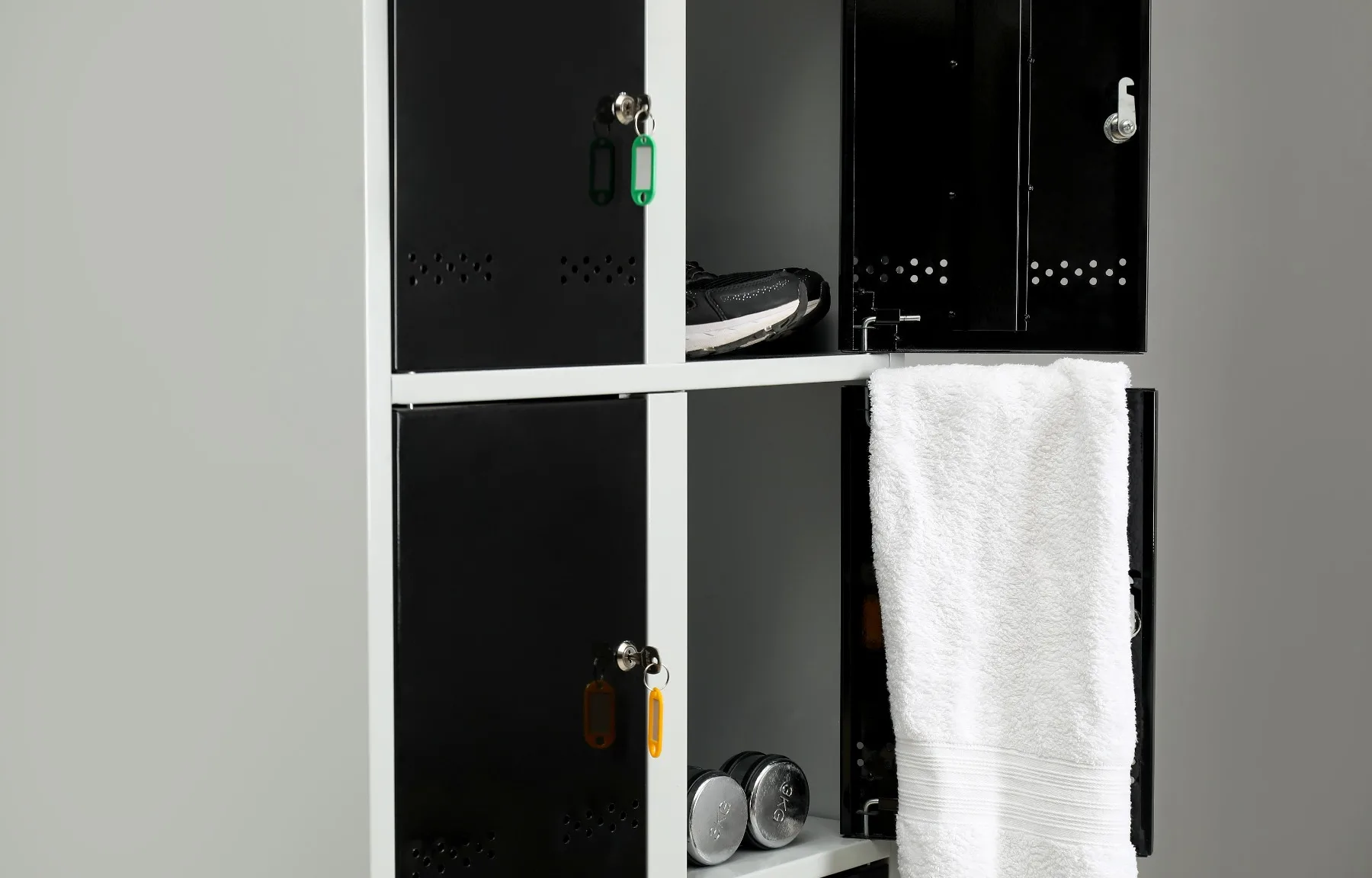
The construction begins with laminate bonded to a durable core material. That assembly gives doors and panels a consistent surface for daily commercial use. In a corporate office or guest locker room, plastic laminate lockers provide secure personal storage while keeping the room visually orderly. Their furniture-like appearance suits interiors that need practical storage without an industrial look.
Durability Suited To Interior Applications
Plastic laminate lockers have a moderate durability rating and standard moisture resistance. Those specifications suit everyday use in climate-controlled interiors with moderate traffic and everyday moisture exposure. The laminate surface keeps its polished appearance when staff follow the recommended cleaning method.
Wet locker rooms and high-humidity environments require a different material assessment. Solid plastic or phenolic lockers perform better in those conditions because repeated moisture exposure places greater demands on the locker body and finish. Choosing the right laminate setting protects its appearance and supports longer service.
Design Flexibility For Commercial Interiors
Color selection helps plastic laminate lockers fit the surrounding architecture. Solid options include almond, black, blue, green, gray, white, and red. Wood-grain choices include natural oak, walnut, cherry walnut, and dark walnut.
This range creates a more coordinated interior than a single industrial finish. A facility can choose a neutral solid color for a restrained room or select a wood-grain surface for warmer visual detail. Screen settings affect color appearance, so physical samples provide a more reliable basis for the final selection.
Choosing The Right Locker Configuration
Single-tier lockers provide full-height storage for larger personal items or hanging garments. This format works well when each user needs generous vertical space, and the available wall area supports larger compartments.
Multi-tier lockers increase capacity within the same general footprint. Double-tier and triple-tier configurations accommodate more users without expanding the floor area required for lockers. The right arrangement depends on user volume, item size, available wall length, and the room’s circulation plan.
Care, Hardware, And Installation
Routine care requires mild liquid soap followed by a dry wipe. Abrasive cleaners, scouring pads, and harsh chemicals can damage the finished surface, so custodial instructions should clearly state those restrictions. Simple cleaning practices help preserve the laminate’s color and smooth appearance.
A complete installation includes institutional-grade anchors, fasteners, framing, and hardware required for a code-compliant assembly. Optional ADA-compliant hardware supports projects with accessibility requirements. Installation according to manufacturer specifications also helps protect the product warranty and maintain proper door operation.
The listed product warranty extends up to five years, while the installation warranty lasts one year. Project documents should include these terms, along with the selected configuration, material, color, and hardware requirements. Clear documentation reduces confusion during procurement and installation.
Fire Rating And Project Planning
Plastic laminate lockers carry a Class C fire rating, with Class B options available. Make that distinction early in the specification review, especially when project documents require a specific fire classification. Choosing the rating before ordering prevents later material changes.
Project teams should confirm the room’s moisture conditions and expected traffic. A polished laminate surface suits a guest locker room or professional office, while a wet environment points to a different locker material. This assessment keeps the material choice connected to actual operating conditions.
Conclusion
Project teams should choose plastic laminate lockers when a climate-controlled interior needs a polished finish, moderate durability, and straightforward care. The material suits corporate offices, boutique fitness studios, and guest locker rooms better than wet or high-humidity settings. Before ordering, confirm traffic levels, moisture exposure, locker tier, color, fire-rating requirement, and installation details. A written specification based on those conditions helps the finished locker room remain functional, orderly, and visually consistent.