Managing chemicals and industrial fluids is important for safety and efficiency in many industries. Proper handling helps ensure smooth operations and protects workers and the environment. Whether you manage an industrial facility or are new to this area, understanding effective chemical management techniques is vital.
Organization and diligence are key in any operation involving chemicals and fluids. Proper labelling and storage, regular maintenance, and employee training all help create a safe working environment. Establishing best practices everyone can follow fosters a workplace culture of safety. Let’s look at how to manage chemicals and industrial fluids effectively.
Storage Solutions
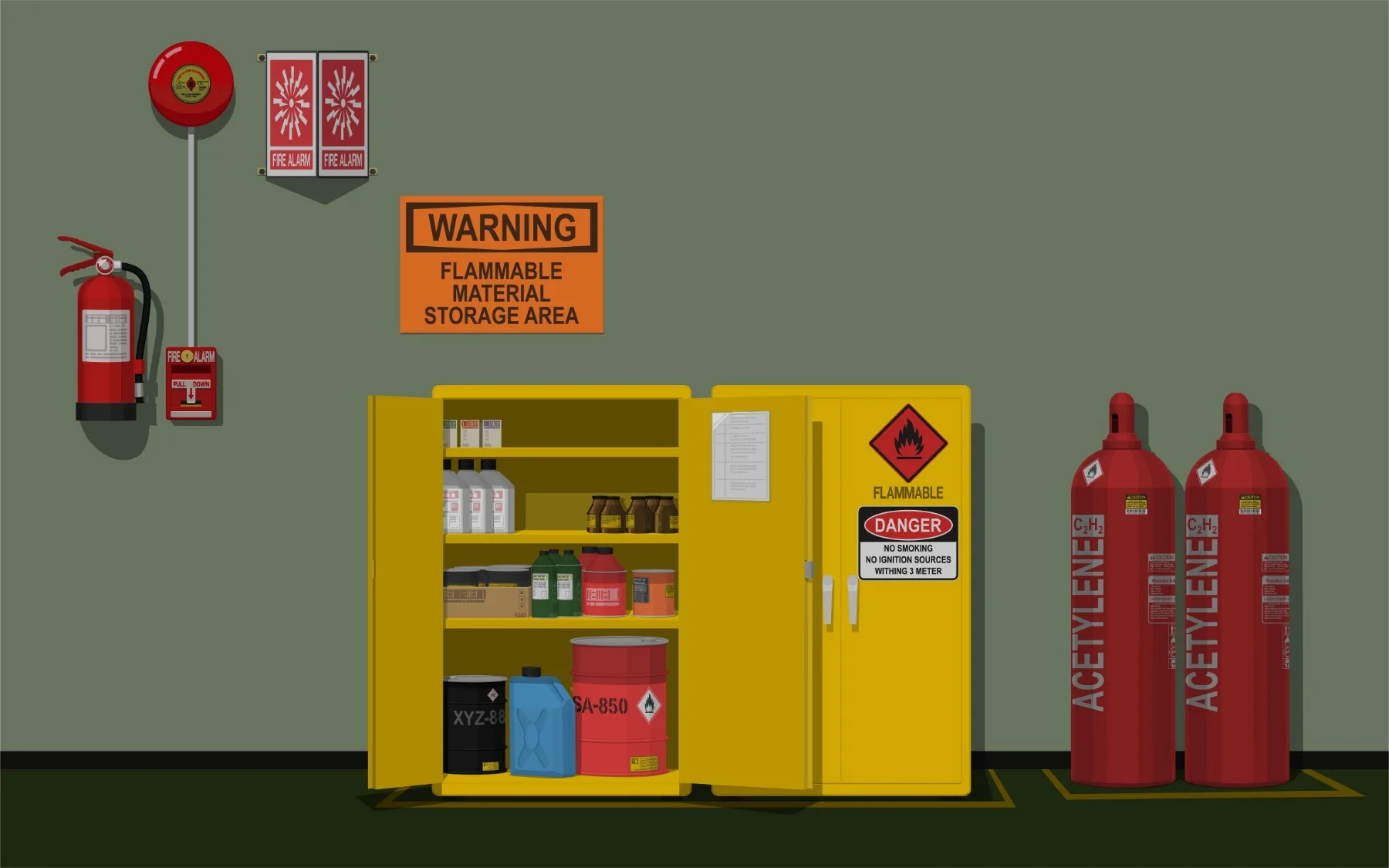
Safe, efficient chemical storage is crucial. Proper storage means understanding each chemical’s properties, such as whether it is flammable, corrosive, or reactive with other substances. Use appropriate containers that clearly label their contents to help prevent accidents.
Another smart practice is to use a designated storage area that meets safety regulations. This area should be clearly marked and equipped with safety equipment, like spill kits and personal protective equipment (PPE). By creating this dedicated space, you can monitor and handle chemicals more easily, reducing confusion and accidents.
Regularly check storage areas. Make sure all containers are intact, labels are readable, and safety protocols are followed. A routine inspection schedule keeps chemical management effective and reduces risks from improper storage.
Ball Valves
In chemical and fluid management, ball valves are vital. They allow quick, precise flow control in pipelines, making them ideal for industrial use. The simple design of a ball valve, which has a hole drilled through a sphere, enables easy switching between on and off with little resistance.
Their durability and reliability make ball valves popular. They maintain their sealing ability over time, preventing leaks and improving overall safety. These valves can be operated manually or automatically, providing flexibility for different needs.
Installing ball valves can improve operations. Their straightforward design makes them easy to integrate into existing systems. This adaptability reduces downtime and boosts efficiency, ensuring a smooth flow of chemicals and fluids.
Protective Equipment
Personal protective equipment (PPE) is essential when handling chemicals and industrial fluids. While proper storage and labelling support safety, PPE provides immediate protection against exposure hazards. Depending on the fluids you handle, PPE may include gloves, goggles, face shields, and chemical-resistant clothing.
Educate employees on the importance of wearing PPE. Providing training sessions on how to choose and use each type of equipment can reduce accidents. Making PPE available at every workstation encourages compliance and builds a safety-focused culture.
Regularly reviewing and updating PPE protocols is also beneficial. Ensuring the equipment matches the chemicals being handled keeps everyone safe. Being proactive about changes in chemical handling or new products helps you manage risks effectively.
Check Valves
Check valves are also essential in fluid management. Their main job is to prevent backflow, ensuring liquids only flow in one direction. This function is crucial in many applications, especially with hazardous materials, as it maintains system integrity and prevents contamination.
Strategically placing check valves in your fluid management system enhances safety. By stopping hazardous substances from flowing backward, you protect different parts of your system, reducing spills and dangerous chemical reactions.
These valves require minimal maintenance, which is a significant benefit for busy operations. Their reliability lets you focus on other aspects of chemical management without worrying about backflow issues. Regular checks ensure they function properly and keep processes running smoothly.
Training and Procedures
Employee training is key for managing industrial fluids and chemicals effectively. Training should cover topics like recognizing risks and responding to emergencies. Regular refreshers are vital to keep employees up to date on safety practices.
Clear procedures for handling, storing, and disposing of chemicals are essential for a safe workplace. Make written protocols easily accessible so employees can refer to them as needed. A well-defined process builds worker confidence and promotes adherence to safety standards.
Encouraging employees to discuss safety practices and share insights fosters a collaborative environment. Everyone plays a role in ensuring safety, and open communication strengthens this commitment. Managing chemicals and industrial fluids is crucial for safety and efficiency in many industries. Key factors include organization, preparation, and the right equipment, whether through ball valves, check valves, or a solid training program. Following these practices sets the stage for a safe and productive work environment.