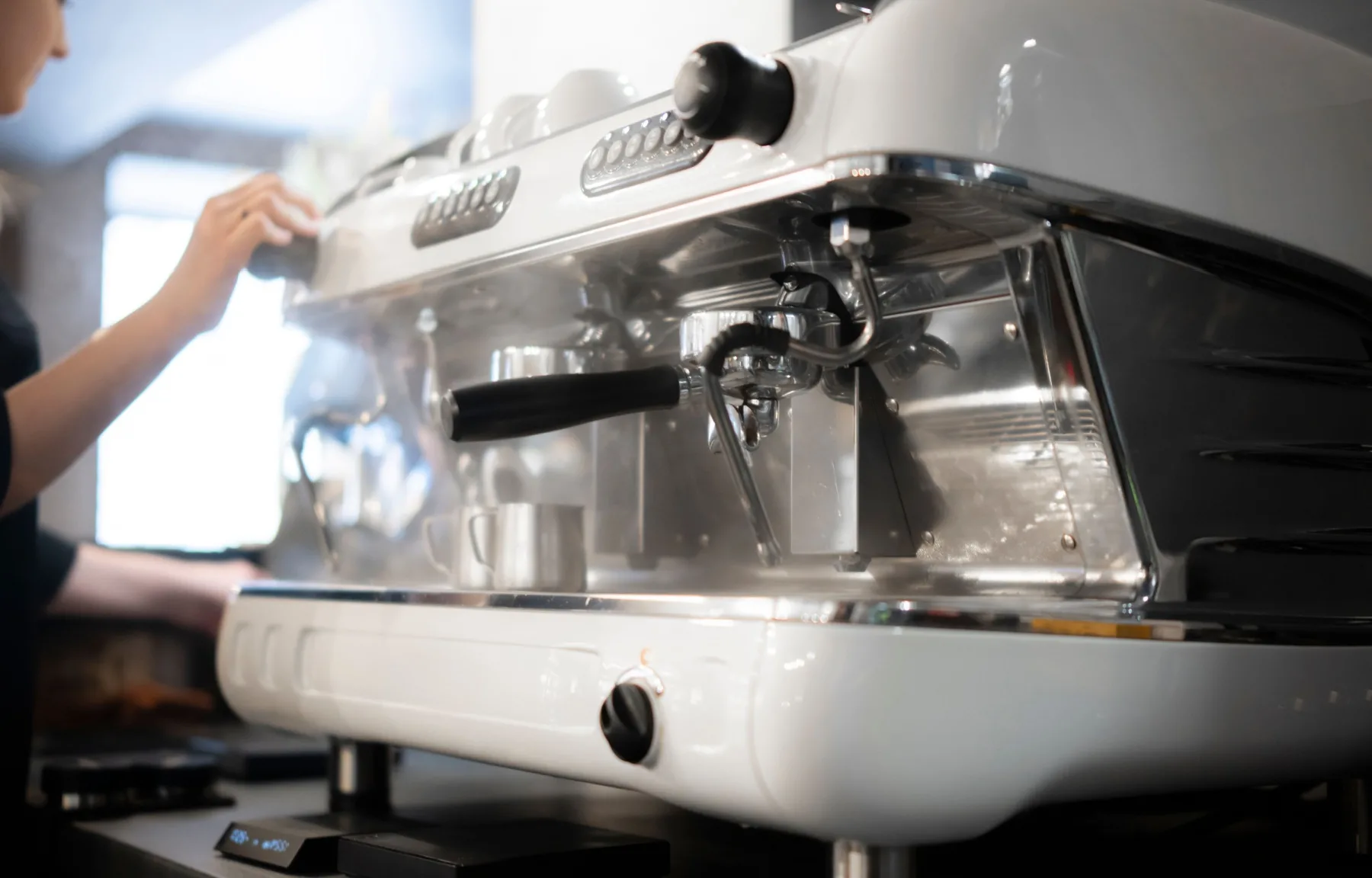
Relocating a restaurant is not just a logistics task but an extremely complex process that requires deep expertise in industrial engineering and rigging. We prepared this material to clarify the difference between standard transportation services and the professional approach required for moving high-value culinary assets. In this article, you will learn about the standards that preserve kitchen functionality during relocation.
The Nuances of Professional Classification and Responsibility
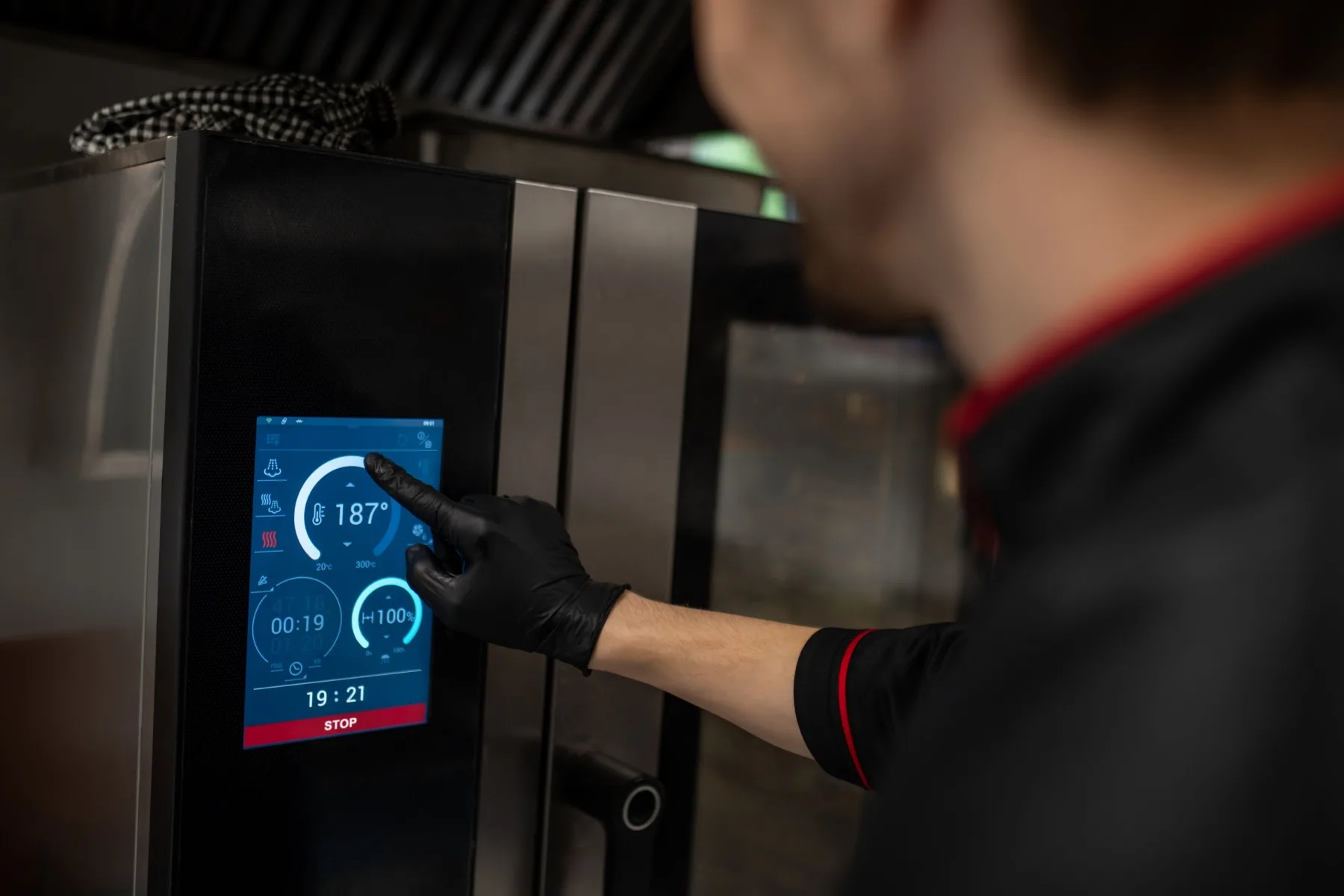
People often confuse the work of regular movers with the tasks performed by highly specialized teams, despite the enormous gap in qualifications and technical equipment. Moving heavy induction ranges, combi ovens, or giant refrigeration chambers requires more than strong hands; it demands a deep understanding of the internal structure of these units. By hiring qualified restaurant equipment movers, business owners are essentially purchasing a guarantee that there will be no microcracks in copper tubing and that oven software will remain intact.
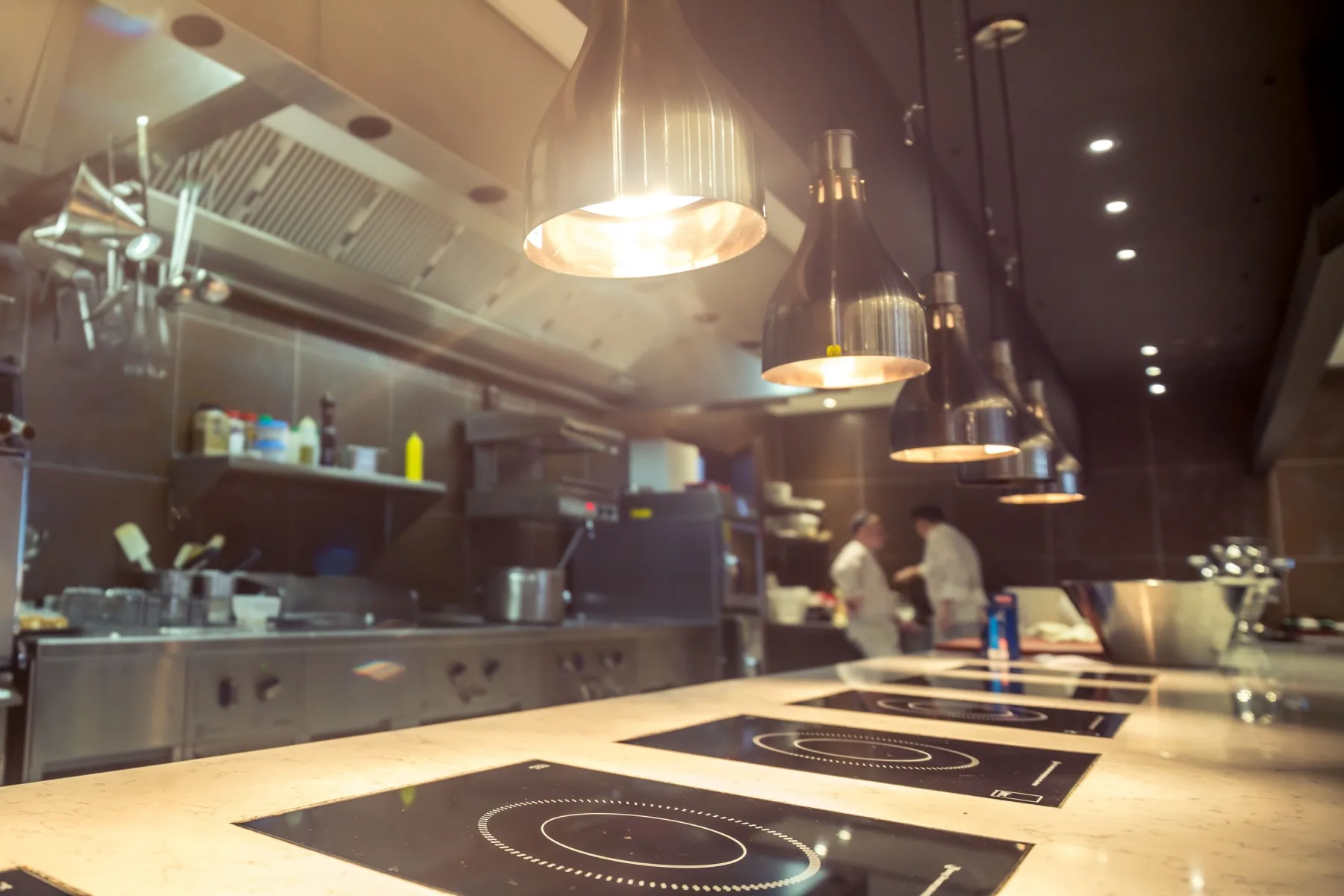
It is also important to understand that Elate Moving places a strong emphasis on precision in every action, using specialized hydraulic lifts and professional rigging equipment. Working with high-sensitivity electronics does not tolerate amateurism, which is often found in the standard residential moving segment. It is obvious that saving money by avoiding an expert approach can result in the failure of an entire restaurant production line.
Technical Regulations and Industrial Disassembly Protocols
The preparation process always begins with a detailed inspection of all components and their compliance with manufacturer specifications. Close attention is paid to every detail, especially when removing massive exhaust hoods or disassembling refrigerated storage units with their specific cooling circuits. In other words, the safety of the entire operation directly depends on how precisely the equipment preservation steps are followed before it is moved into the truck.
Being responsible for the result, the team always follows a strict algorithm when preparing equipment:
- De-energizing and discharging residual capacitors in electrical systems;
- Locking moving mechanical components with specialized shipping bolts;
- Sealing all drainage ports to prevent liquid leaks during transit.
Careful adherence to these steps ensures that even after significant shaking on the road, the equipment retains its factory settings. After packaging is complete, each module is securely fixed in the transport compartment with consideration for its center of gravity.
Comparative Analysis of Logistics Capabilities
Proper weight distribution inside the vehicle prevents deformation of the frames of heavy tables and ovens, which in turn eliminates issues with recalibration at the new location. Only vehicles equipped with modern air suspension are used, allowing vibrations from the road surface to be absorbed in real time.
This is precisely why even the most fragile glass display case or complex coffee machine arrives at its destination in pristine condition. No matter how you look at it, the correct selection of fastening straps also plays a crucial role in preventing scratches on stainless-steel surfaces.
| Asset category | Packaging standard | Load restraint method | Specialized equipment used |
| Combi steamers | Vapor-proof barrier | Multi-point floor anchors | Power stair climbers |
| Dough mixers | Rigid plywood crating | High-tension ratchets | Heavy-duty pallet jacks |
| Display chillers | Triple-layer bubble wrap | Soft-side nylon slings | Hydraulic lift gates |
| Dishwashing lines | Moisture-wicking liners | Telescopic shoring bars | Vacuum suction cups |
| Ice machines | Shock-absorbing foam | Lateral block-and-brace | Non-marking dollies |
The use of such technological solutions allows us to operate with maximum efficiency in the dense urban environment of the United States. Each load table is calculated individually for a specific relocation project.
Final Conclusions on the Value of Expertise
Professional logistics in the food service segment is the art of balancing work speed and technical perfection of the process. Thus, choosing the right partner for asset relocation becomes a strategic decision that determines the operability of your kitchen for years to come.