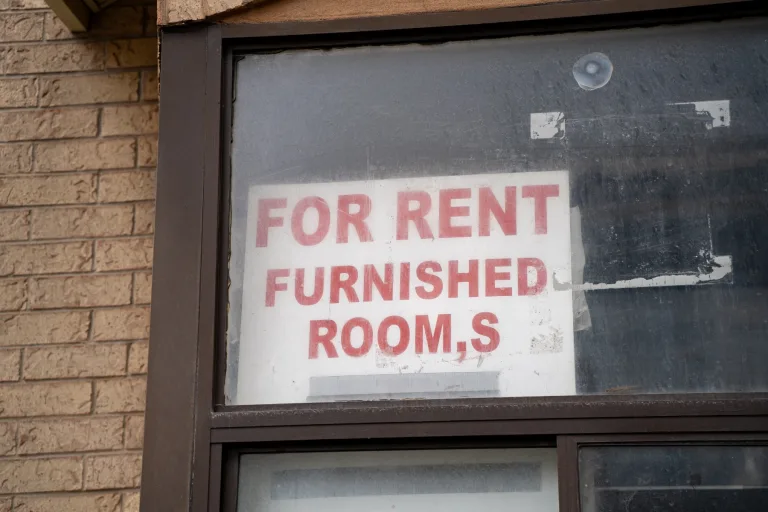
Toronto remains one of the most attractive cities in Canada for people seeking new opportunities, better careers, and vibrant communities. Every year, thousands of families and individuals relocate to the Greater Toronto Area from other provinces and countries. The city offers excellent job prospects in finance, technology, healthcare, education, and creative industries, along with diverse neighbourhoods, strong public transit, and rich cultural experiences. However, successfully moving to a large and dynamic city like Toronto requires careful planning, realistic budgeting, and access to reliable local support.
This comprehensive guide provides everything you need to know about moving to Toronto in 2026. From understanding current market conditions and neighbourhood choices to practical packing advice and settling in successfully, readers will find actionable insights based on real experiences of people who have made the move. Whether you are coming from another part of Ontario, across Canada, or internationally, proper preparation helps turn what can be a stressful process into a smooth and positive transition.
Why Toronto Continues to Attract New Residents in 2026
Toronto’s population growth remains strong. Recent Canadian statistics show the city and surrounding region continue to see steady inflows of both domestic and international movers. Strong employment opportunities, quality schools, excellent healthcare, and multicultural communities make it appealing for families and young professionals alike. At the same time, the city’s high cost of living and competitive housing market require careful planning.
Understanding these realities early helps newcomers set realistic expectations and budgets. Many people discover that working with experienced local professionals for both the move itself and ongoing support makes the entire process significantly easier and less overwhelming.
Creating a Realistic Moving Timeline and Checklist
Successful relocations usually begin two to three months in advance. Start by making a detailed checklist that includes notifying utilities, updating addresses with government agencies, arranging school transfers for children, and researching professional moving services. Giving yourself enough time reduces last minute stress and helps avoid unnecessary extra costs.
One of the most important decisions is selecting the right team to handle your belongings. Choosing a reliable moving company in Toronto can save time, protect your possessions, and reduce overall stress during the transition. Experienced movers understand the unique challenges of navigating Toronto streets, high rise buildings with elevator booking systems, and busy GTA traffic patterns. They provide full service options including packing, secure transportation, furniture disassembly, and even short term storage when needed.
Understanding Toronto Neighbourhoods for Different Lifestyles
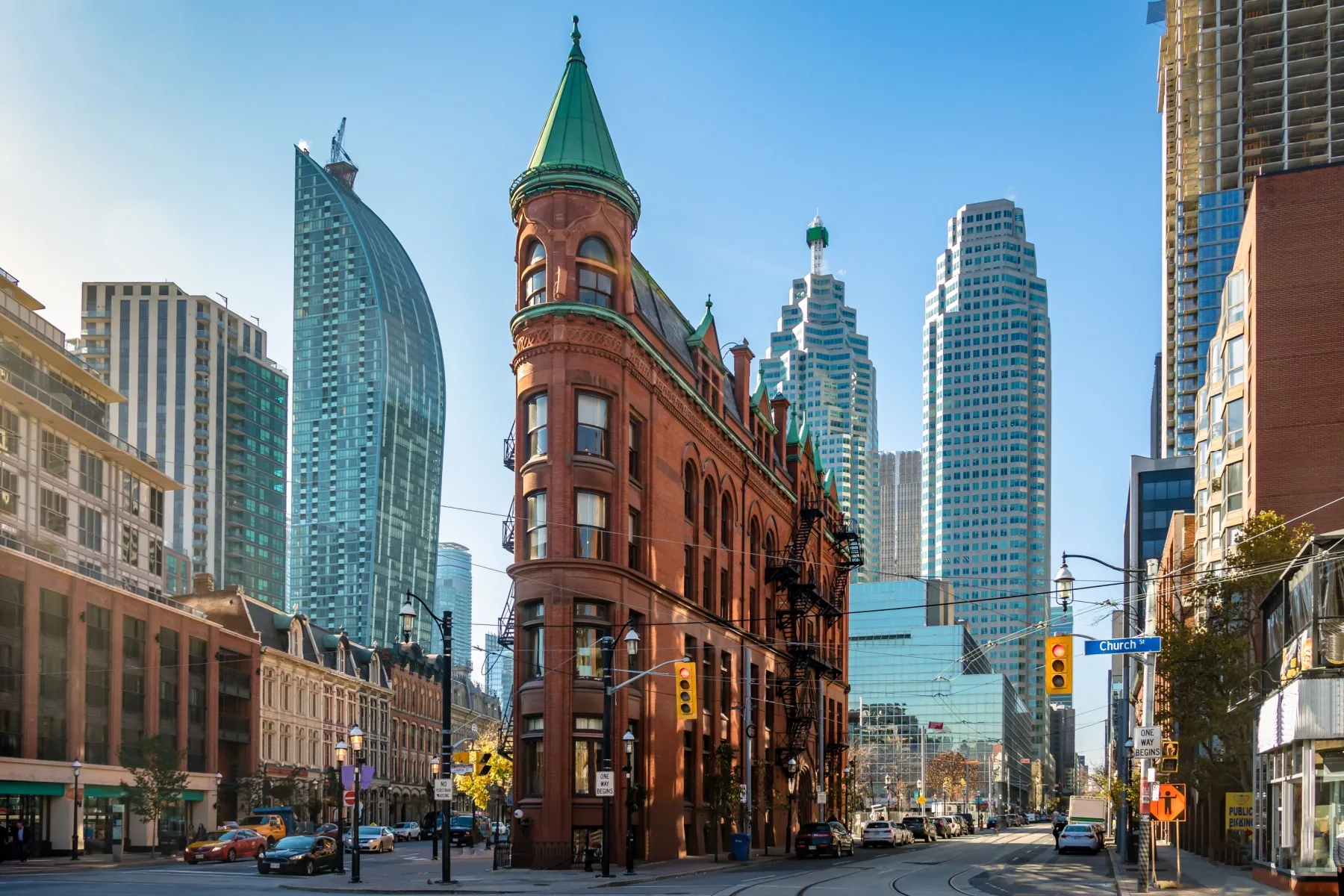
Toronto consists of many distinct neighbourhoods, each offering different advantages. Downtown areas such as the Financial District, Entertainment District, and Harbourfront appeal to young professionals who prioritize walkability and transit access. Families often prefer more spacious communities in Scarborough, North York, Etobicoke, East York, or further out in Richmond Hill and Markham where housing options may be more affordable and schools are highly rated.
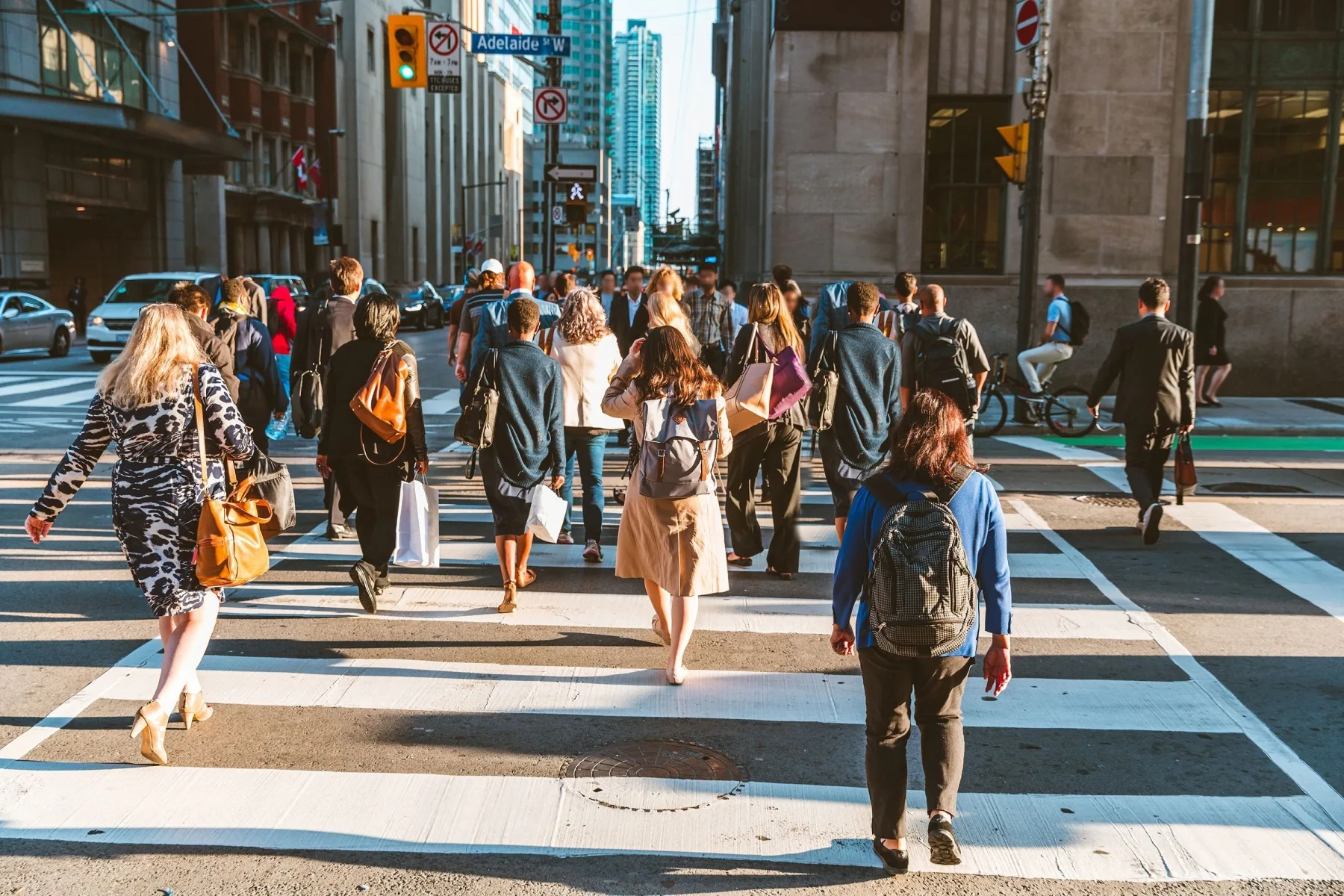
When choosing a neighbourhood, consider factors such as commute times to work, proximity to grocery stores and parks, school districts, and overall community atmosphere. Areas like Leslieville, the Junction, Roncesvalles, and Danforth offer a good balance of urban energy and family friendly amenities. Taking time to visit potential neighbourhoods in person or doing thorough online research helps ensure your new home matches both your budget and lifestyle needs.
Current Cost of Moving to Toronto in 2026
Moving costs in Toronto vary widely depending on the distance, size of household, and services required. Local moves within the Greater Toronto Area typically range from $800 to $3,500. Long distance moves from other provinces can cost significantly more. Additional services such as full packing, unpacking, specialty item handling, and storage add to the total.
Beyond the move itself, newcomers should budget for first and last month’s rent or a down payment on a home, utility setup fees, possible furniture purchases, and transportation costs for family members. Being aware of these expenses early allows for better financial preparation and helps prevent unexpected stress during the relocation period.
Packing Tips and Best Practices for a Toronto Move
Effective packing can save both time and money while protecting your belongings. Start decluttering several weeks before moving day by sorting items into keep, donate, and discard categories. Use sturdy boxes, proper padding for fragile items, and clearly label every box with its contents and the destination room in your new home.

For those moving into high rise buildings in downtown Toronto or condo complexes, be aware of building specific regulations regarding move in times, elevator bookings, and insurance requirements. Professional movers familiar with these buildings can handle these details efficiently and help avoid unexpected delays or additional fees.
Settling Into Your New Life in Toronto
Once the moving trucks leave, the real work of settling in begins. Register with a family doctor, update your driver’s licence and health card, and explore your new neighbourhood. Joining local community groups, sports leagues, or cultural organizations helps build connections faster and creates a stronger sense of belonging.

Toronto’s public transit system, including the TTC subway, streetcars, and buses, makes getting around relatively straightforward once you learn the routes. Taking time to explore local parks, restaurants, and attractions in your area helps turn your new house into a true home.
Frequently Asked Questions
How much does it realistically cost to move to Toronto in 2026?
Local moves within the GTA usually range from $800 to $3,500 depending on home size and services needed. Long distance moves cost more. Getting multiple quotes from reputable companies gives you the most accurate picture.
What should I look for when hiring movers in Toronto?
Look for proper licensing, insurance coverage, positive recent reviews, and experience with Toronto buildings and traffic conditions. Clear communication and transparent pricing are essential.
When is the best time of year to move in Toronto?
Late spring through early fall tends to be easier due to better weather. Avoiding peak summer months can sometimes result in better availability and potentially lower rates.
Do I need special insurance when moving to Toronto?
Most professional moving companies offer basic coverage. Reviewing your options and considering additional protection for valuable or sentimental items is recommended, especially for long distance moves.