Cutting home energy use does not always mean taking on a full retrofit, replacing every window or living with building dust for months. Instead, the quickest improvements come from smaller changes. Improving your home’s energy efficiency can help reduce bills, cut carbon emissions and improve energy security, according to the House of Commons Library’s 2026 briefing on UK homes. The same briefing notes that, although England’s share of homes rated EPC band C or above rose from 12% in 2010 to 56% in 2024, millions of homes in Great Britain still lack common insulation measures, including cavity wall, loft or solid wall insulation.
For households that are not ready for major works, there is still plenty to do. Energy Saving Trust estimates that ten quick home energy tips could save up to £351 a year in Great Britain, with many of the actions requiring no major home improvements. Here are the most impactful ones.
Start by understanding where energy is being used
Whether you live in an older terrace, a flat, a rental or one of today’s new homes, the first step is understanding where energy is being wasted. Before changing anything, try to understand your household’s energy pattern. Every home is different, so the most useful first step is to identify which habits, appliances or rooms use the most energy.
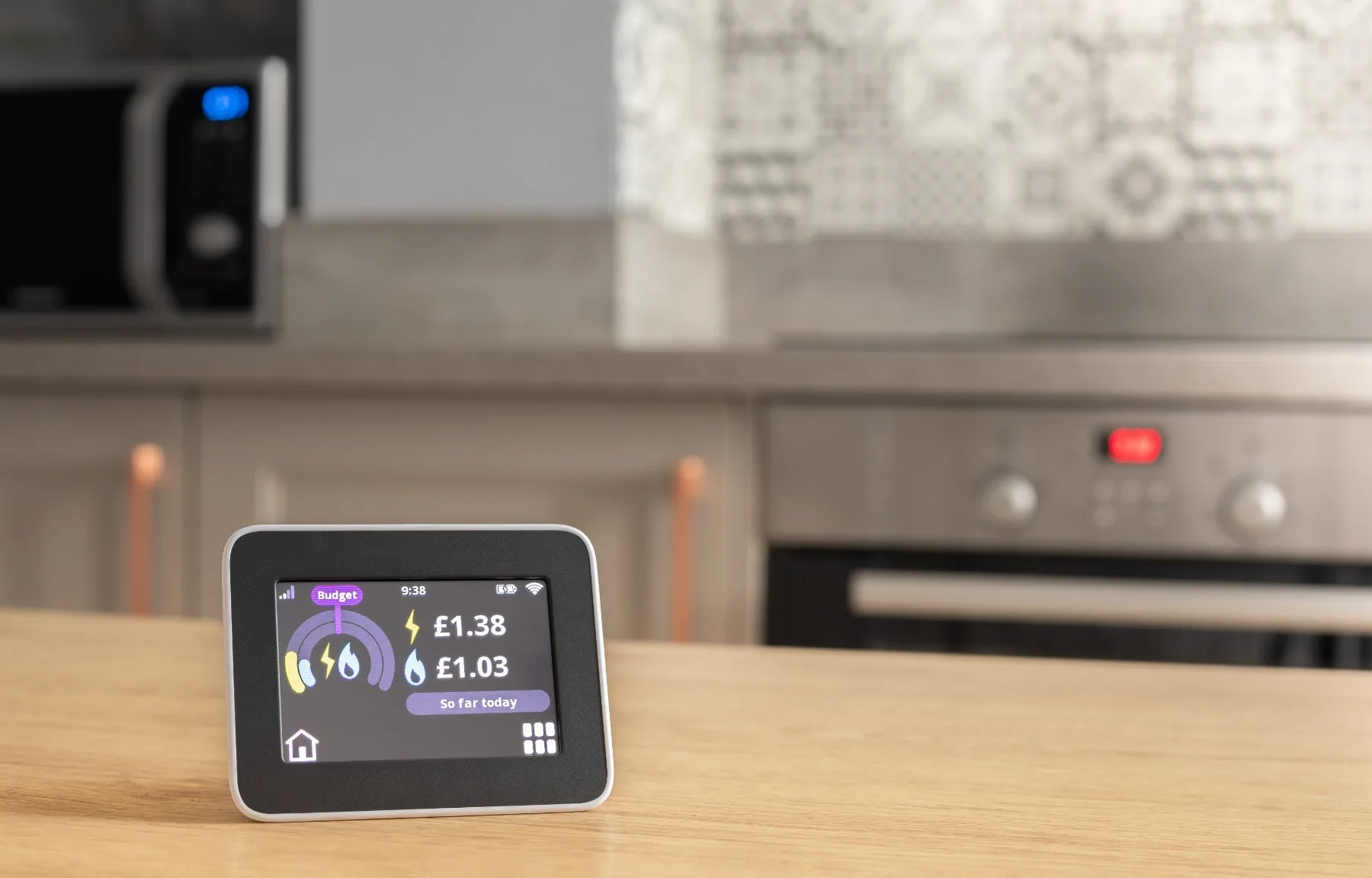
A smart meter can help with this. The UK Government’s clean energy advice says smart meters provide automatic readings to suppliers, can make budgeting easier and can show near real-time usage through an in-home display or connected app. This makes it easier to spot patterns, such as a spike when the tumble dryer runs, when electric heating is on or when several devices are left charging.
Use heating controls more carefully
Heating and hot water are usually the biggest areas to look at. Energy Saving Trust says many homes spend over half of their energy bills on just these two, so heating choices are central to improving home efficiency. If you have thermostatic radiator valves, lower the setting in rooms you use less often rather than heating every room to the same level. It is recommended to turn radiators down, not off, in rooms you are not using much, because turning them off completely can increase the risk of damp and mould. If you have a combi boiler, check whether the flow temperature is set too high. Reducing it to 60°C can make the boiler more efficient and cut bills, though households with older people, children under five or health conditions should take extra care to keep the home warm enough.
Tackle draughts before turning up the thermostat
Draught-proofing is one of the simplest ways to make a home feel warmer without using more energy. Look for gaps around windows, doors, floorboards, pipework and loft hatches. On windy days, you may be able to hear or feel where air is coming in. Look for visible light, listen for noise on windy days and feel for air movement around the home – but be mindful not to block essential ventilation such as extractor fans or airbricks. You want to stop unwanted draughts, not trap moisture indoors.
DIY options such as draught excluders, brush strips, letterbox covers and sealant can be low-cost starting points. Energy Saving Trust says professional draught-proofing for windows and doors can save around £85 a year in Great Britain, although DIY draught-proofing can be much cheaper.
Switch off what you are not using
Standby power is easy to ignore because it is almost invisible, but tech may still draw electricity when it is not actively being used. Households can save around £45 a year simply by remembering to turn appliances off standby mode. A simple habit helps: turn off plugs before bed, unplug chargers once devices are full and use a standby saver or smart plug for entertainment areas. Remember that fridges and freezers need to stay on, though! Turn lights off when leaving a room and replace older bulbs with LEDs as they fail.
Make laundry and kitchen habits work harder
Laundry and cooking routines are easy places to cut waste without changing your lifestyle dramatically. Wash clothes at 30°C where suitable, reduce unnecessary washes and run full loads where possible. Avoiding a tumble dryer and line drying clothes outside or on racks indoors can save around £50 a year! If drying indoors, remember to ventilate the room to help manage moisture.
In the kitchen, only boil the water you need. Overfilling the kettle could save another £10 a year. Small savings like this may not sound dramatic alone, but together they create a more efficient daily routine.
Keep changes realistic
The best energy-saving plan is one your household can actually stick to. If a rule makes everyone uncomfortable, it will quickly be ignored. Focus on realistic adjustments: one degree lower on the thermostat, one fewer tumble dryer load, one room draught-proofed at a time, or one monthly review of your smart meter data.
It also helps to think seasonally. In winter, focus on heating, draughts, curtains and radiator settings. In summer, think about ventilation, shading, appliance use and keeping rooms comfortable without unnecessary energy demand.