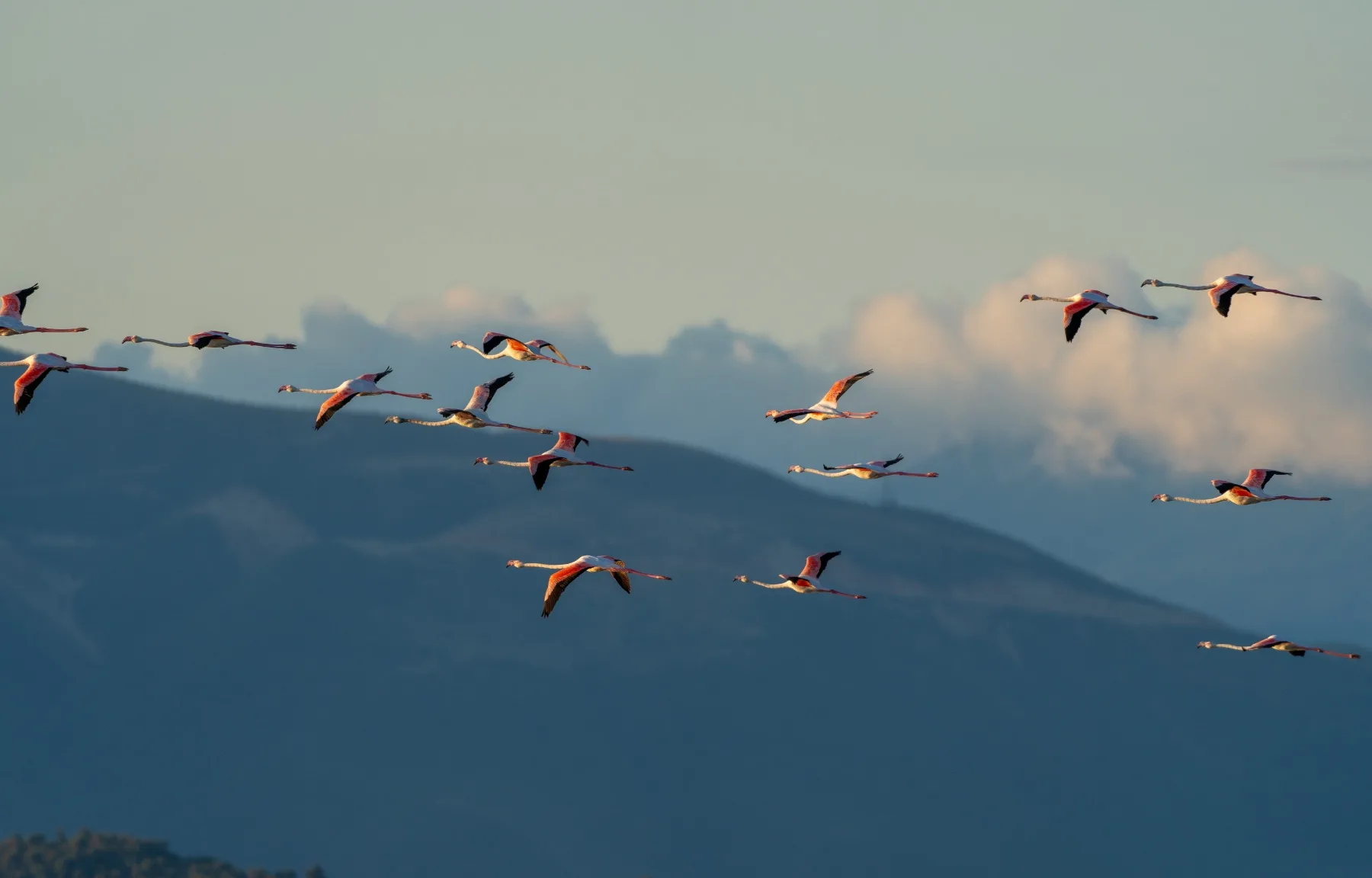
The signs outside Prime Minister Edi Rama’s office said nothing about sunburnt tourists or overpriced cocktails. They said “Albania is not for sale” and “I don’t want Albania like Dubai.” For several evenings running in the summer of 2026, thousands filled the streets of Tirana in one of the largest and most sustained peaceful protests the country has seen since communism fell in the early 1990s. Demonstrators carried inflatable pink flamingos and called it the Flamingo Revolution. The target was not tourism. It was a single deal.
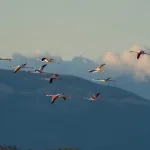
In late May 2026, private security at Zvërnec, near the southern city of Vlora, put up a barbed wire fence cutting locals off from a beach they had used for generations. The fence guarded a construction site tied to a $1.4 billion luxury resort backed by Affinity Partners, the fund run by Jared Kushner. Albania’s government had already granted strategic investor status to Kushner’s associates, fast-tracking permits to build on Sazan, a former military base off the coast, and along the shoreline beside it, with plans reported at up to 10,000 rooms and villas. The resort sits inside the Vjosa-Narta protected zone, next to flamingo breeding grounds. The preliminary approval landed in the final days of 2024, weeks before Trump’s inauguration, and critics accused Rama of handing over protected coastline as a diplomatic gift. The deal is now under criminal investigation by Albania’s anti-corruption prosecutors.
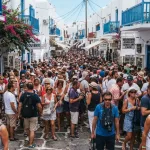
All of this sits inside a real tourism explosion. Albania went from 6.4 million foreign visitors in 2019 to 12.47 million in 2025, close to double in six years, the kind of growth that makes the overcrowding complaints of other Mediterranean spots look mild. British travellers are part of it, increasingly picking Albania over a Spanish package and flying in on Wizz Air and Ryanair from London. In the trade press the country is no longer emerging. It has gone mainstream, which in travel terms often means the interesting part is already behind it.
The infrastructure has not kept up. Short-term rental listings have grown about 40 per cent since 2023 and more than doubled since before the pandemic, squeezing the long-term housing market the way residents of Lisbon or Dubrovnik would recognise. On the coast, water shortages are not the odd bad day but a summer routine, with some families down to an hour or two a day to fill their tanks. Rama admitted in public in 2025 that waste management in the coastal zones had become a serious problem.
What sets Albania apart from the usual overtourism story is how precise the local anger is. Albanians are not protesting British visitors. They are protesting a government that looks to have decided the coastline is a resource to spend rather than protect. A barbed wire fence across a public beach is a grievance anyone can grasp. So is a protected wetland handed to a foreign developer whose main qualification is a family tie to an American president.
The Albania that reaches the visitor numbers Rama is chasing, 30 million a year by 2030, will not look like the one that pulled in the first independent travellers a decade ago. That is not the tourists’ fault, and it is not fixed in stone, but the Sazan deal suggests the people making the decisions have already settled what kind of destination Albania is going to be. The flamingos in the Vjosa-Narta zone did not get a vote. Neither did the families rationing their water.