Jeremy Albelda is an American travel writer based in Mexico and the founder of The World or Bust, which he launched in 2010. His writing explores independent travel, local food and the practical side of getting to know a destination.
Chichén Itzá deserves more than a sweaty sprint around a pyramid. Valladolid deserves more than a compulsory souvenir stop. And Tulum is a lot more enjoyable when you haven’t already spent half the day on a motorway.
These three places make an excellent introduction to Mexico’s Yucatán Peninsula, but trying to squeeze them into one day is where things unravel. My recommendation is to give the inland sights a proper overnight stop, then head to the coast. You’ll still see the big names, with time for the meals and aimless wandering that make a trip your own.
Make Valladolid your inland base
Valladolid is the useful middle piece: a walkable colonial centre, regional food worth seeking out and Chichén Itzá roughly 45 kilometres away. Spending the night here makes an early arrival at the ruins much easier than starting from a Caribbean beach hotel.
Arrive the afternoon before your visit. Walk from the main square towards Calzada de los Frailes and the Convent of San Bernardino de Siena, stopping wherever a courtyard café looks inviting. The pastel façades are photogenic, but leave time to actually sit somewhere.
At dinner, look for longaniza de Valladolid, the local sausage, or lomitos, a regional pork dish. Ask what the kitchen does well. A relaxed meal here earns its place in the itinerary just as much as another archaeological stop.
Choose transport around the day you want
Independent travel doesn’t require driving everywhere yourself. Intercity buses are worth checking for the longer town-to-town legs; local colectivos, shared vans, can help on shorter routes. Confirm departure points and return arrangements locally, especially if your plan depends on reaching the ruins at opening time.
If you’re moving hotels with luggage or travelling with friends, private transfers in Mexico with Daytrip are another option to compare. Price the exact journey and any sightseeing stops before booking. Confirm how long you can stay, where bags will be kept and whether admission or a site guide costs extra. A driver and an archaeological guide do different jobs.
A rental car gives you more freedom to change course, but add insurance, fuel, tolls and parking to the headline rate. There’s no prize for choosing the cheapest transport if it wipes out the morning you wanted to spend exploring.
Give Chichén Itzá the morning
Aim for the 8am opening, checking the current INAH schedule before travelling. An early start improves your chances of cooler conditions and lighter crowds; it doesn’t mean you’ll have the place to yourself.
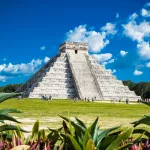
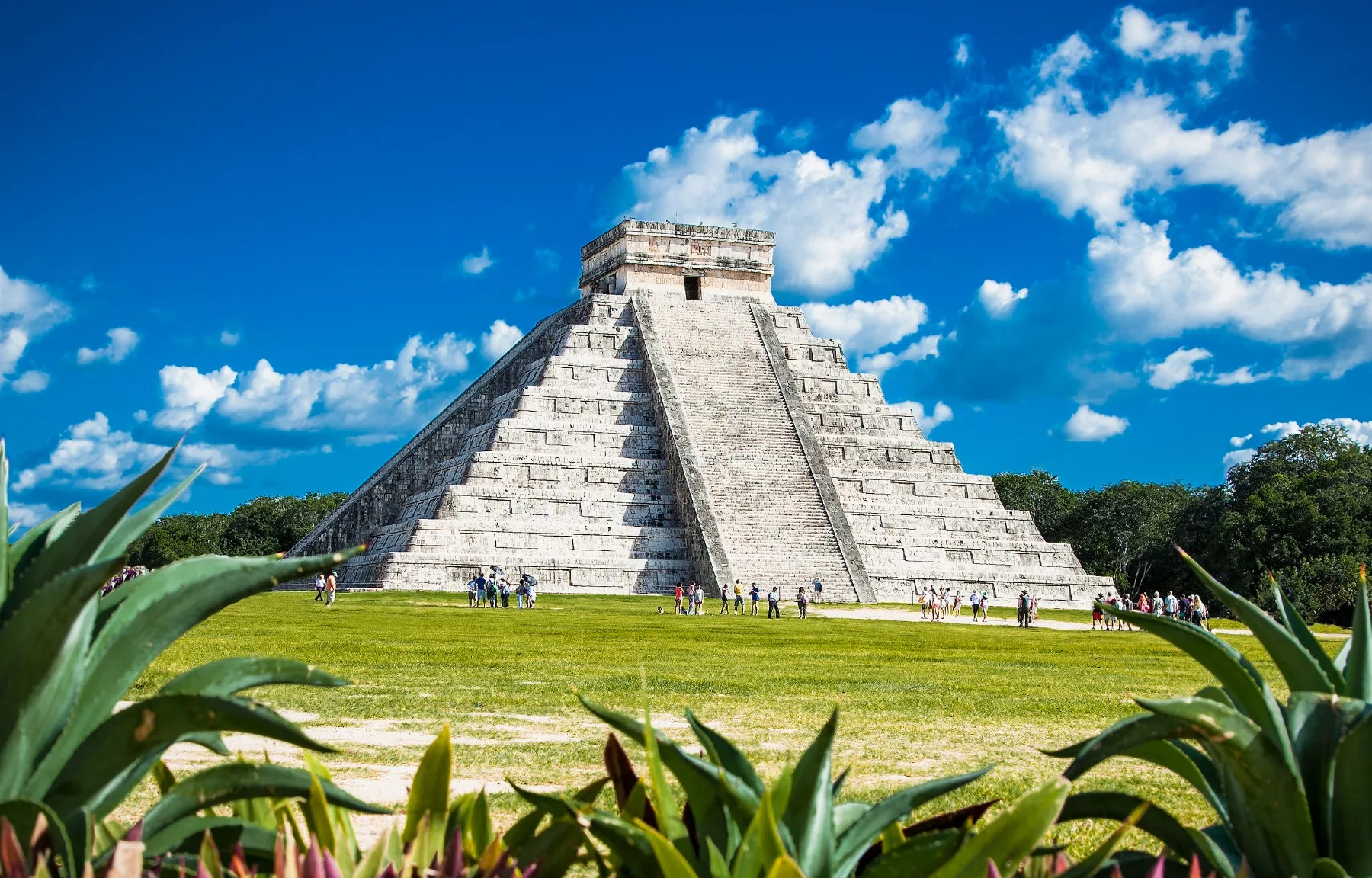
Allow around three hours. El Castillo is the obvious first draw, but the Great Ball Court and the wider complex deserve attention too. If your budget allows, hire a qualified guide at the site and agree the price, language and duration first. Understanding what you’re looking at adds more than another identical photograph.
Bring water, a hat and comfortable shoes. Shade is limited in the open areas, and an ambitious midday itinerary can quickly become a search for somewhere to sit down.
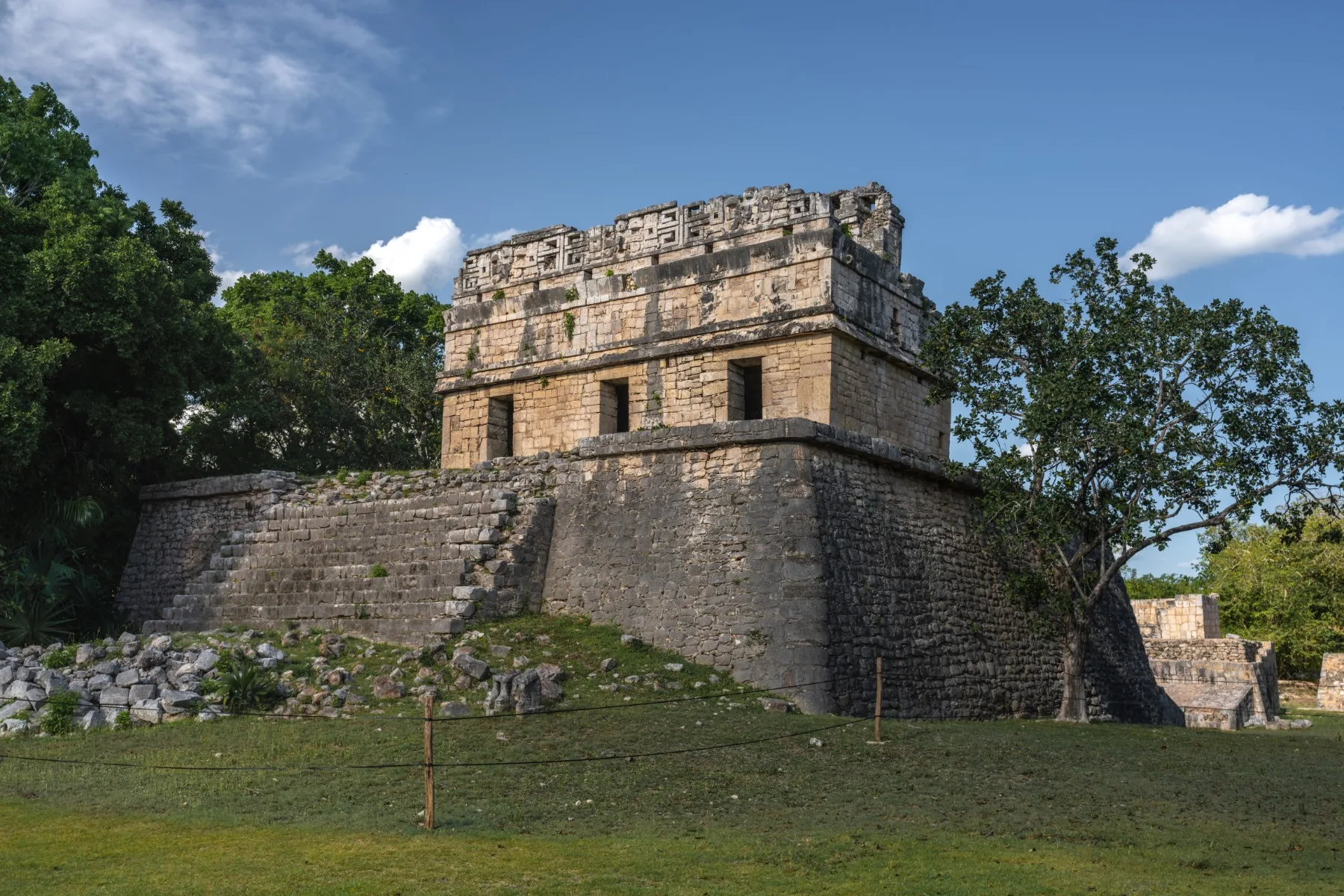
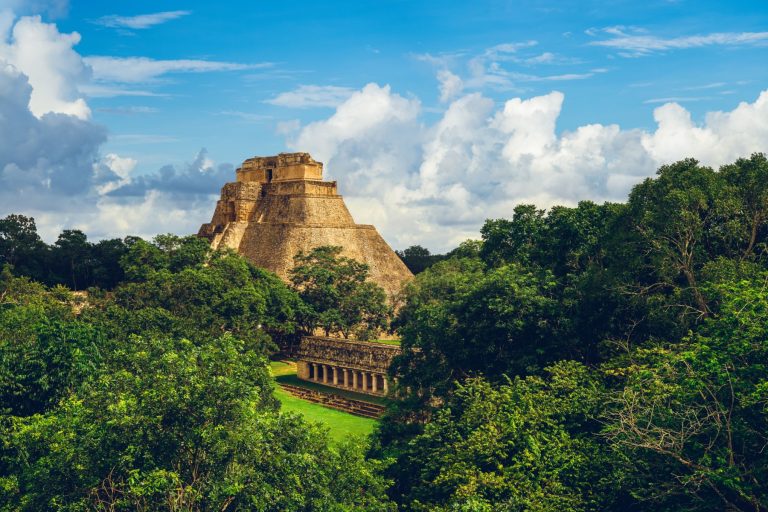
Chichanchob at Chichén Itzá: leave time to explore beyond El Castillo.
There’s also a clock trap: Valladolid and Chichén Itzá, in Yucatán state, are one hour behind Tulum and Cancún, in Quintana Roo. Confirm which local time your driver or ticket uses. Travelling east to Tulum moves the clock forward an hour.
Three ways to build the route
| Sample itinerary | Approximate road distance | Driving time | Suggested pace |
| Valladolid → Chichén Itzá → Valladolid | 90 km return | 1½–2 hours total | Morning ruins; afternoon in town |
| Valladolid → Tulum town | 100–105 km one way | 1½–2 hours | Travel after breakfast; settle in before dinner |
| Valladolid → Chichén Itzá → Valladolid → Tulum | 190–195 km one way, via Valladolid | 3–4 hours total | Full transfer day; visit Tulum ruins next morning |
Rounded planning estimates for a car, excluding visits, meals, traffic and hotel detours. Bus journeys take longer; elapsed driving times do not include the clock change.
The first two routes fit together neatly over separate days. The third suits travellers who want one Valladolid overnight: leave bags at your hotel, visit Chichén Itzá, return for lunch and luggage, then continue to Tulum. Arrange the full route in advance.
Let Tulum have its own day
Tulum’s town, beach hotel zone and archaeological site are separate places. Check your hotel’s actual location before booking onward transport; “Tulum” on a reservation is not a precise drop-off point.
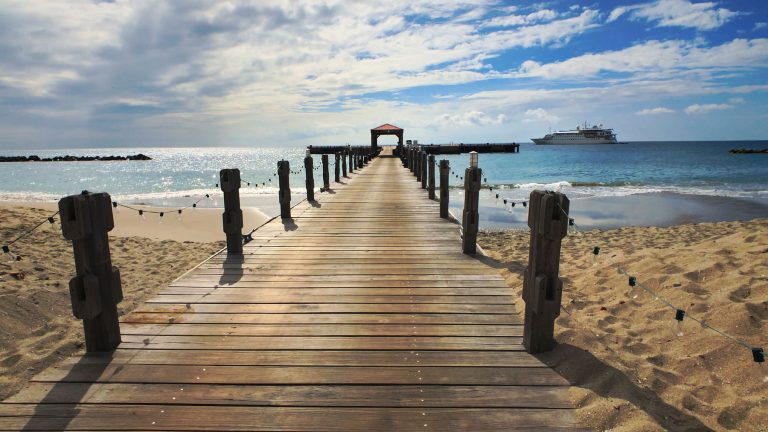
Visit the ruins early the following morning, allowing roughly two hours plus entry logistics. Their coastal setting is the attraction: stone buildings, sea air and the Caribbean beyond. Check current INAH and Parque del Jaguar access arrangements, including the combined cost of any applicable entry charges.
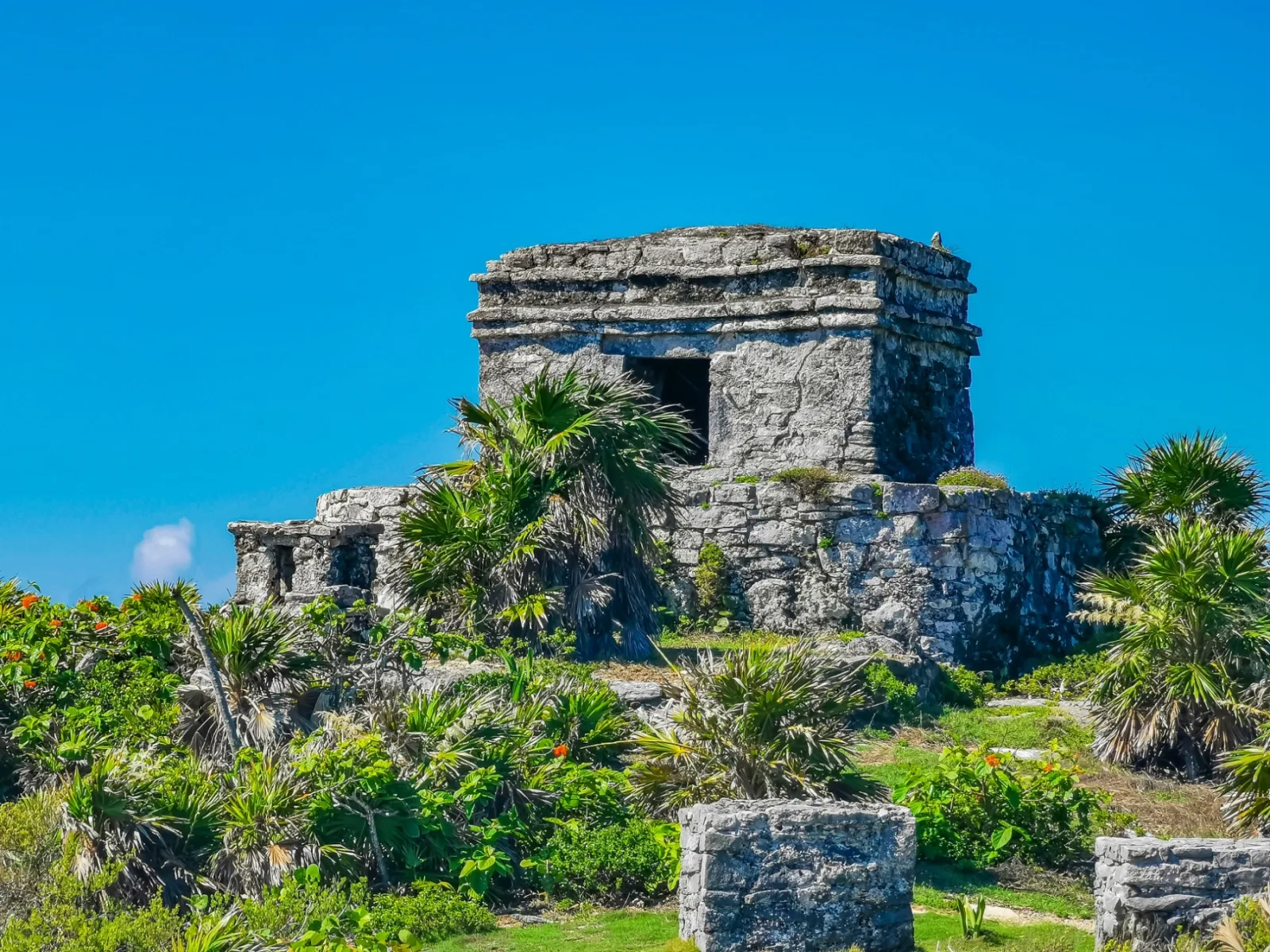
The archaeological site at Tulum deserves a separate, unhurried visit
Keep the afternoon flexible. Pick a beach after checking access and conditions, or choose a cenote and establish its entry price and swimming rules before setting off. Don’t assume the beach below the ruins will be open for swimming.
There’s plenty to fill three days here without adding six more pins to the map. Spend your morning paying attention to the ruins, give Valladolid an unhurried dinner, and reach the coast with enough energy to enjoy it. That’s a much better use of your freedom than recreating a coach itinerary in a smaller vehicle.