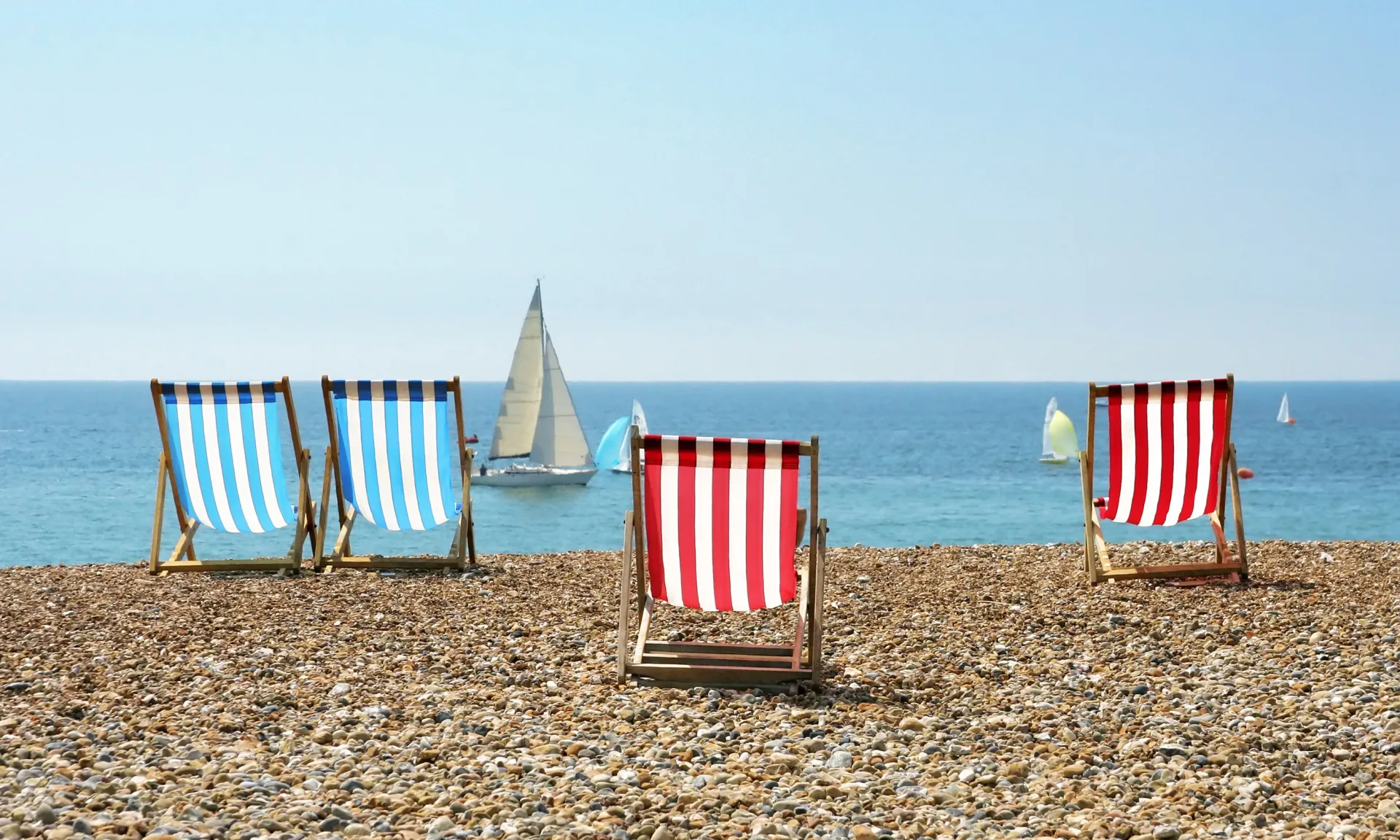
Most Londoners don’t own a car. Even those who do probably don’t fancy grinding down the M23 on a Friday evening, or paying the under-25 hire-car surcharge just to sit on a beach for two days. But plenty of the best coastal towns in England are a direct train ride from central London, with stations close enough to the seafront that you won’t need a taxi when you get off.
Not every seaside town works without a car, though. Some will dump you on an industrial estate two miles from the water with no bus in sight. Here’s a rundown of the coastal weekends that actually hold up on public transport, from quick Friday-night escapes to the overnight sleeper down to Cornwall.
Brighton: The Obvious One, for Good Reason
Brighton is the default for a reason. Trains run from London to Brighton throughout the day, with Thameslink services from London Bridge every 15 minutes and regular Gatwick Express departures from Victoria. The fastest services take just under an hour, and the station is about a 15-minute walk downhill to the seafront. Off-peak returns can come in under £20 if you book a few days ahead.
Yes, the beach is pebble. That’s beside the point, though, because Brighton delivers on everything else once you’re there. The Lanes, the seafront restaurants, Kemptown’s bars, the pier if you’re in that kind of mood. Step off the train at 7pm on a Friday and you’ll be eating fish and chips on the promenade by eight, no planning required.
Broadstairs: The Quiet Kent Option
Broadstairs flies under the radar compared to Margate, but it’s arguably the better pick for a whole weekend away. The high-speed Javelin service from St Pancras gets you there in about an hour and twenty minutes, and Viking Bay is an eleven-minute walk from the station.
You’ll find a proper sandy beach with sheltered cliffs on either side, and the town centre is small enough to cover on foot in an afternoon. There are good pubs and a couple of decent seafood places, plus far fewer stag dos than Margate tends to attract. Off-peak fares from London start around £13.
Folkestone: Underrated and Close
Folkestone has changed a lot in the past decade. The Creative Quarter brought in independent shops and galleries, and the Harbour Arm has become one of the best waterfront spots in Kent for eating and drinking on a summer evening. High-speed trains from St Pancras take around 55 minutes, and you can walk from the station to the sea in about fifteen.
Shingle beach below the Leas, sure. But the Harbour Arm area more than makes up for it, and Friday evening trains run late enough that you can leave work and still be there for dinner without rushing.
Hastings: More Character Than You’d Expect
Hastings has a bit of grit to it, which is honestly part of why it’s worth the trip. Trains from London Bridge or Charing Cross take roughly an hour and a half, and the station is about ten minutes from the Old Town and the beach. The fishing quarter and the net shops give it a personality that the more polished south-coast towns just don’t have, and you can take the funicular railway up to the castle ruins if you want a view that earns its keep.
Holiday accommodation sites like Beachlets have a good range of places to stay near the beach in all of these towns, and the key is picking somewhere within walking distance of both the station and the seafront. Get that right and the whole weekend stays car-free.
Penzance: The Sleeper Train Wild Card
If you want to go further, GWR’s Night Riviera sleeper leaves Paddington at 23:45 and pulls into Penzance around 8am. You’ll wake up in Cornwall with the full day ahead of you, which already feels like a minor holiday miracle. Single berths are available, and the train runs every night except Saturday.
Penzance itself has a long promenade, the Jubilee Pool (an art deco lido right on the seafront), and views across to St Michael’s Mount. From there you can take a short train to St Erth and change onto the St Ives Bay Line, one of the most scenic branch lines in the country. The whole journey from Penzance will take about half an hour including the change.
How to Keep the Fares Down
Off-peak tickets will save you a decent chunk on any of these routes. As a rough guide, most trains leaving London after 9:30am on weekdays and anytime on weekends qualify for off-peak pricing, though the exact cutoff varies by operator and route, so check before you book. Also, a 16-25 Railcard (or the 26-30 one) knocks a third off most fares, and it pays for itself within a couple of trips.
Booking a week or two ahead through Trainline or directly with the operator usually gets you the best prices. For the Penzance sleeper, book early because berths sell out quickly during summer, and the price jumps sharply the closer you get to the date.
You Don’t Need a Car for a Weekend Getaway
Every town on this list passes the same test: can you get through a full two days at the coast without once wishing you’d driven? Stations are close to the seafront, the towns are walkable, and you won’t blow half your Saturday circling for a parking space or half your Sunday budget on a car park ticket.
That’s the bit most people underestimate about a car-free coastal weekend. It’s not just cheaper. It’s actually more relaxing, because the trip starts the moment you sit down on the train instead of the moment you finally find somewhere to park. Book off-peak, pack light, and you’ll genuinely be on the sand before most drivers have cleared the M25.