Four parks, three countries, two light aircraft and a final dash to a waterfall: what could possibly go wrong? Well, safari itineraries look heroic on a map, but by the third 5am wake-up, the answer is usually “everything involving another zip”. A safari should feel like time inside a landscape, not an unusually scenic baggage-handling exercise. Unless the trip is long enough to absorb the transfers, fewer parks and longer stays generally produce better wildlife viewing, less fatigue and far more room for the unscripted moments that justified coming in the first place.
Count transfers as holiday days
Every move costs more than the timetable admits. And even a beautiful road is still a road after several hours. Tanzania National Parks says a road safari from Arusha to the Serengeti may take seven to eight hours, which is not a cheeky little hop between game drives. Tanzania’s northern circuit can still work brilliantly because Tarangire, Ngorongoro and the Serengeti offer distinct landscapes and wildlife experiences; the mistake is trying to squeeze all three into four impatient nights. If you are considering Luxury Safaris in Tanzania, give the Serengeti enough time to be a destination rather than the far end of a transfer.
Stay long enough for the place to develop
The leopard may appear after you abandoned the morning drive, while the lion spends Tuesday impersonating a beige rock. Longer stays give guides time to learn what interests you, allow repeat visits to promising areas and make both dawn and late-afternoon viewing possible without treating every day as an endurance event.
TNT’s first-time safari guide describes a routine beginning with a 5.30 am wake-up and ending after an afternoon drive around 7 pm. But even that’s only thrilling for a few days, and less charming when combined with constant departures. Instead, why not leave one drive optional? Sit at the waterhole. Have lunch without consulting a watch. Lodge downtime is often when the trip stops feeling like wildlife-themed shift work.
Combine contrasts
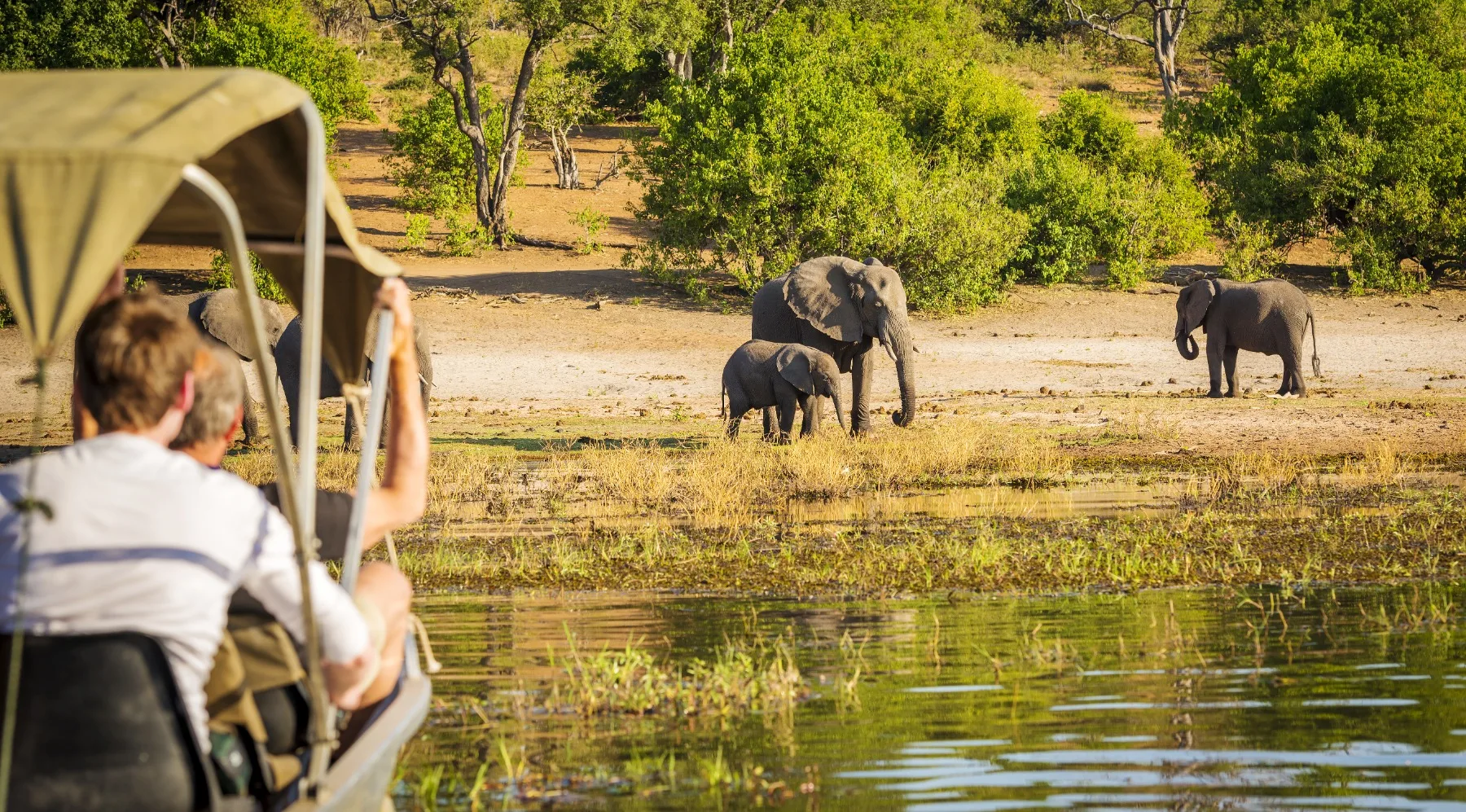
A second park is good only when it changes the experience. In Botswana, the wetlands of the Okavango and the Chobe Riverfront can justify a two-stop trip because waterways, floodplains and land-based drives offer different perspectives. In Namibia, Etosha’s wildlife and the Namib’s desert landscapes make a powerful pairing, but Namibia Wildlife Resorts warns that distances between towns and resorts are long (useful official language for “do not casually add another stop”). In South Africa, a deeper stay in one part of Kruger may beat collecting distant reserves simply because their names fit neatly on a brochure.
Our TNT overview of African safari can be a good starting point to pick the best destination for you.
Give every move a job
Use a simple test: what becomes possible after this transfer that was not available before it? A new ecosystem, a specific seasonal wildlife movement, a walking or boating experience, or an efficient route towards the airport all count. “We might as well”? Not so much.
For a week, one main park plus a contrasting second stop is usually plenty; for ten to fourteen days, three areas can work if transfers are logical and at least one stay allows three nights. But ask for door-to-door timings, not flight durations.
Protect one unscheduled afternoon, avoid consecutive one-night stays and check baggage limits before building an itinerary around small aircraft. Most importantly, decide whether the journey itself is part of the pleasure. If it’s a game drive through changing habitat, fine. If it is six hours staring at the back of a seat, call it what it is: commuting in khaki.