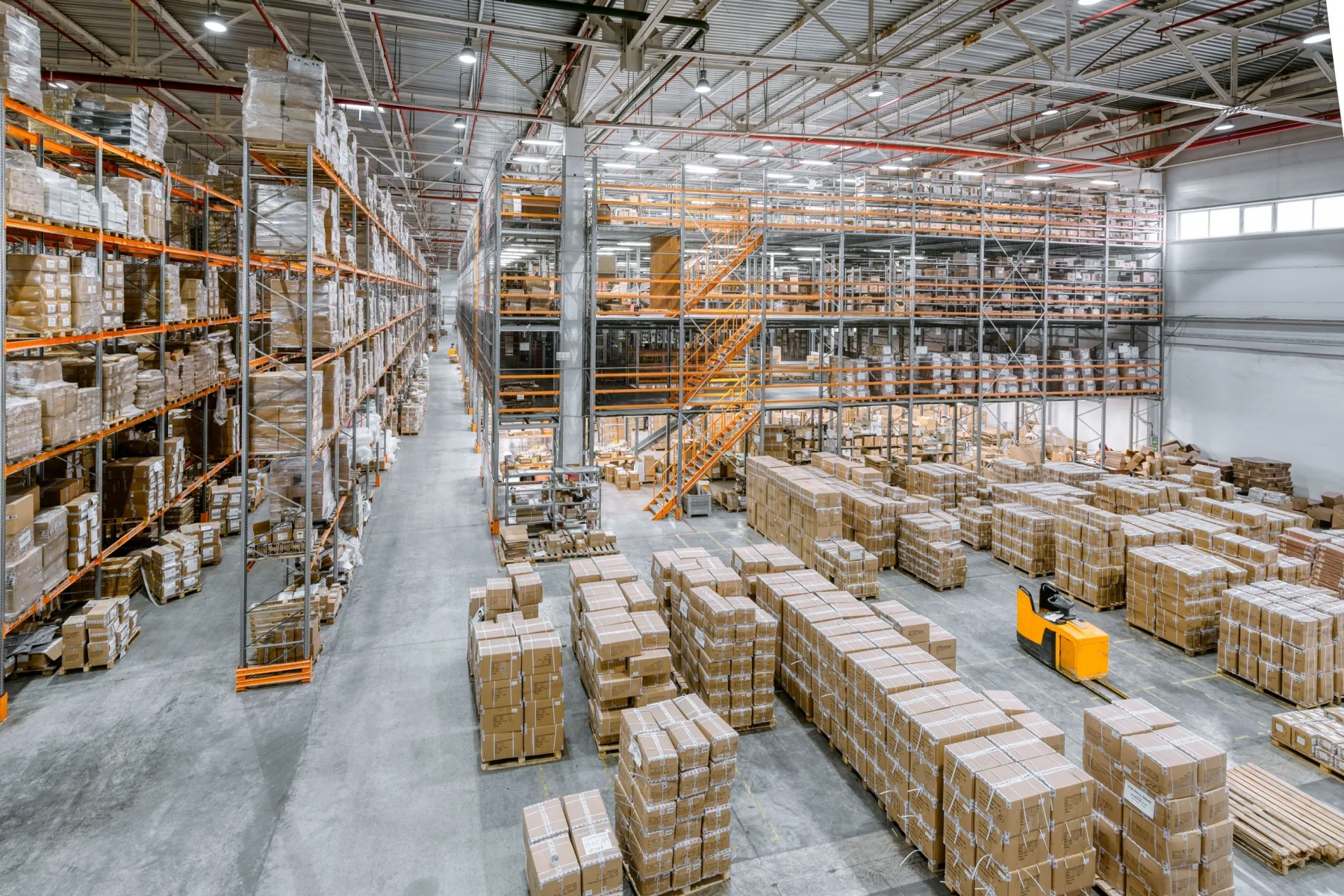
In today’s competitive market, managing inventory is crucial for large warehouses. It’s about ensuring that the right items are available at the right time. This helps to keep costs low and efficiency high. As warehouses become bigger and more complex, effective inventory strategies are essential.
Inventory management involves several tasks, including organizing stock and tracking incoming and outgoing items. Each task requires careful attention. A clear inventory management plan helps streamline operations, cut waste, and improve order fulfilment.
Understanding Inventory Basics
To manage inventory well, start by understanding what inventory includes. Your stock can consist of raw materials, work-in-progress items, and finished goods. Knowing what you have and where it is located is fundamental.
Regular inventory audits help you keep track of stock levels. Implementing a periodic review system helps you identify discrepancies and understand stock trends. With a solid grasp of your inventory, you can make informed decisions about reordering and storing items.
Technology is now an important part of inventory management. Using warehouse management systems (WMSs) simplifies inventory tracking. These systems provide valuable data and help automate tasks, reducing errors and improving efficiency.
Dock Lifts
Dock lifts are important for warehouse operations. They help load and unload goods more efficiently, connecting trucks to the warehouse floor. This makes the process smoother and faster.
Dock lifts can handle heavy loads and adjust to different heights. They make it safer and easier for workers to move heavy items, thereby boosting productivity. Additionally, dock lifts help use warehouse space better. By simplifying loading, you can improve your warehouse layout and increase storage capacity, allowing you to meet demand more effectively.
Hydraulic Lifts
Hydraulic lifts are key for moving heavy goods within your warehouse. They use fluid power to lift and lower items safely, preventing damage.
Using hydraulic lifts can save time when moving products. Less downtime means your operations run more smoothly, leading to higher productivity. They also improve safety by reducing manual lifting, which lowers the risk of injuries.
These lifts can fit your warehouse needs with different lift capacities and platform sizes. This flexibility helps simplify operations and ensures that inventory is organized correctly. Hydraulic lifts are a valuable addition for efficient inventory management.
Effective Organization Systems
Along with dock and hydraulic lifts, having a good organization system is crucial. Use a systematic storage method, such as FIFO (First In, First Out) or LIFO (Last In, First Out), to manage perishable goods or fast-changing stock. Choosing the right system for your products can streamline inventory processes.
Proper labelling and signage are also important. Clearly labelling shelves and using colour-coded signs helps employees find items quickly, speeding up picking times. Using technologies such as barcode scanning or RFID tags increases accuracy and reduces errors.
Regular employee training on inventory practices is useful. When staff understand procedures, they help create a more organized workplace. Clear communication among team members reduces errors, improving warehouse efficiency.
Monitoring and Adjusting
Monitoring inventory levels is an ongoing task. Using analytical tools can highlight trends and sales patterns, helping you adjust stock levels as needed. Staying ahead of market demand is essential, allowing you to make proactive rather than reactive adjustments.
Regularly reviewing your inventory management strategies is also a good practice to spot strengths and weaknesses. Keep track of turnover rates and stock levels to ensure operations align with your business goals. Flexibility is important; as demand changes, your inventory management should adapt.
Combining proper equipment, good organization, and regular monitoring can lead to a successful warehouse operation. When all these elements work together, you are optimizing your supply chain for success.
Inventory Forecasting
Good inventory management involves predicting future demand through forecasting. By looking at past sales data, seasonal trends, and market conditions, you can make more informed predictions about future demand. This helps you keep the right amount of stock on hand to meet customer demand and avoid excess inventory.
Using advanced forecasting tools and algorithms can improve your predictions. These tools can integrate with your current inventory systems and provide insights to help you make smart decisions about when to reorder and how much stock to keep. By forecasting effectively, you can boost customer satisfaction, cut excess costs, and improve your warehouse efficiency.
Sustainability Practices
In today’s eco-conscious market, adding sustainability practices to your inventory management is essential. Using green processes can lower your warehouse’s carbon footprint and attract customers who care about the environment.
Think about ways to optimize shipping routes to save fuel, use recyclable packaging materials, and reduce waste through efficient inventory turnover. Teaching employees about sustainable practices can create a culture of environmental responsibility. By focusing on sustainability, you help the planet and enhance your brand’s reputation in a competitive market.