You have arrived after a six-hour journey, the flat looks nothing like the listing, the shower drains into the bathroom floor, and the host’s response to your message is a thumbs-up emoji. Welcome to the Airbnb experience that the adverts never show you. The question is not whether you are annoyed. The question is what you can actually do about it, and how fast.
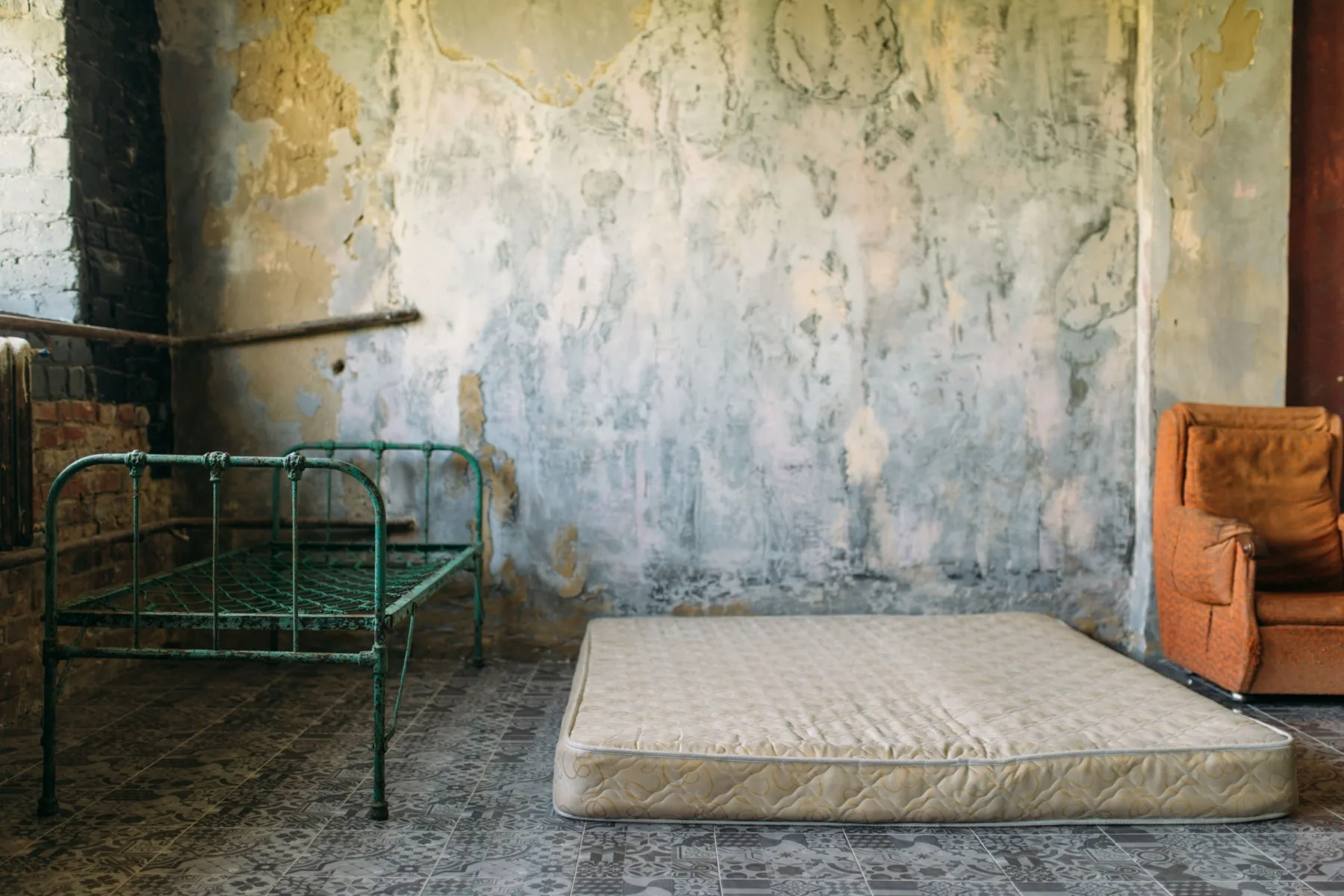
Start with the platform, but do it properly. Airbnb runs something called AirCover for Guests, which in theory covers you if the listing is significantly not as described, if there are health or safety hazards, or if the host fails to provide access. The critical detail: you must report the issue within 72 hours of check-in, and you need evidence. Take photographs of everything the moment you walk in. Timestamp them. Message the host through the Airbnb app, not WhatsApp or email, because off-platform contact is invisible to any later dispute. If the host does not fix the problem within a reasonable window (a few hours for something serious), contact Airbnb support directly and request a refund or rebooking. Keep every exchange in writing.
What actually triggers a refund through AirCover? Listings that are materially different from the photos, missing amenities that were explicitly listed, properties that are uninhabitable due to pests, mould, or structural problems, and lockouts the host caused. What does not trigger one: aesthetic disappointment, a neighbourhood you dislike, or a host who is merely unhelpful. Airbnb’s own agents have considerable discretion, which in practice means persistence and documentation matter more than having a theoretical right.
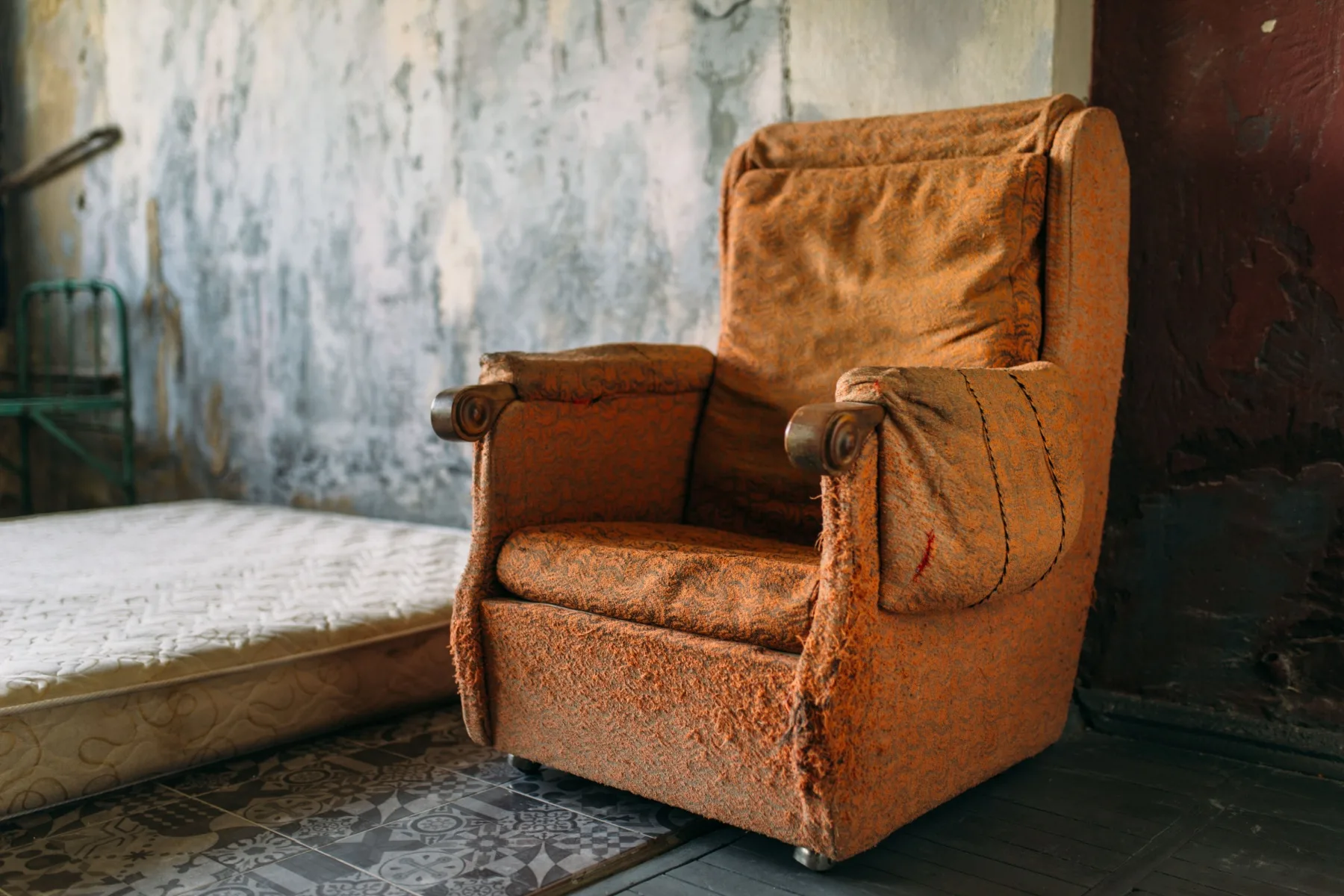
Now for the part Airbnb would rather you did not think about. If you paid by credit card, you have a separate route entirely. Under UK consumer credit law, Section 75 of the Consumer Credit Act 1974 makes your card provider jointly liable for a service that was misrepresented or not delivered. The stay has to cost more than £100 and less than £30,000. If the listing described a property materially different from what you received, that is a solid basis for a chargeback claim. File it with your bank after the Airbnb process has failed or stalled. The two claims are not mutually exclusive, but banks generally want to see you tried the merchant first.
I once spent a February night in a Lisbon flat that had no working heating despite the listing advertising central heating prominently. Airbnb refunded two nights out of five after I sent photos of the broken radiators and a screenshot of the listing. It took four days and three contacts with support. Not quick, but it worked.
A few practical points worth knowing. If a property is genuinely unsafe, such as a broken lock, a carbon monoxide risk, or electrical hazards, report it to Airbnb and check out. Do not stay somewhere dangerous hoping for a negotiated discount later. Document why you left. For stays outside the UK, your statutory rights change depending on jurisdiction, but the AirCover policy applies globally and the credit card chargeback route is available through most major UK-issued cards regardless of where the property is.
One realistic warning: Airbnb’s dispute process is slow, inconsistent, and agent-dependent. Some people get refunds in 24 hours. Others spend weeks going in circles. The hosts who lose disputes repeatedly get removed from the platform eventually, but that does not help you this Tuesday. Document everything, act fast, be specific about which listed amenities were absent or which safety issue exists, and escalate to your card provider if the platform stalls beyond ten days. Vague complaints about vibe get you nowhere. Specific, evidenced complaints about misrepresentation get you money back.