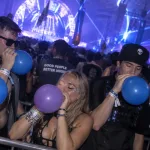
Nobody warned me the first time. I sat down in La Latina at half eight, ate croquetas at nine, and assumed that was dinner sorted. By eleven the street outside had tripled in volume and I was very much the person who had already peaked. Madrid does not operate on London time. Accept that early and the whole trip gets better.
The rhythm here is fixed. Dinner starts at ten at the earliest. Bars fill around midnight. Clubs do not hit their stride until two in the morning, and the last crowd standing is still dancing at five when the churros places open for the breakfast shift. The city just works this way, and there’s no point trying to fight it.
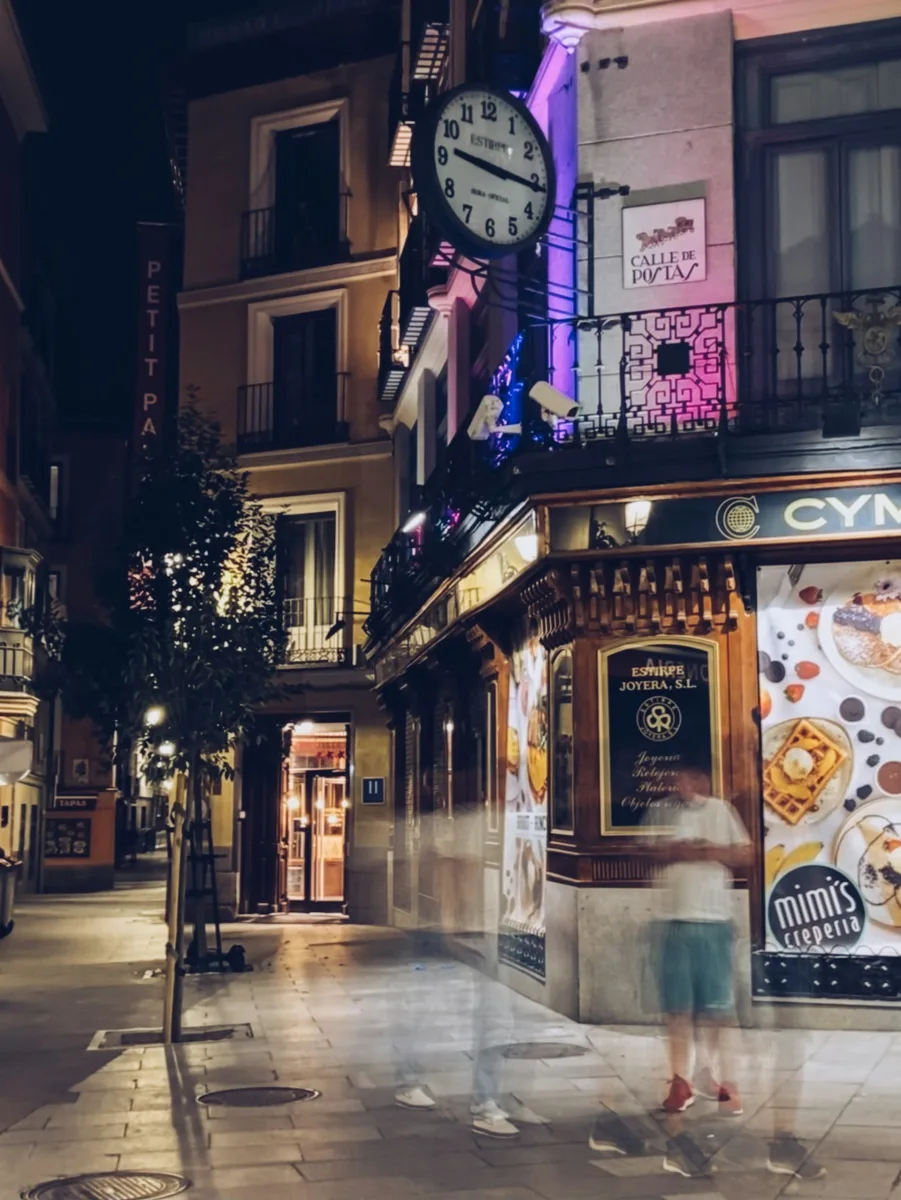
Start in La Latina. Cava Baja is the street that gets cited in every guide for good reason. On a weekend evening the entire neighbourhood becomes one long open-air session. Work through the bars on foot, stopping where it looks good. The reliable rule is to go where there are locals of all ages and serviettes on the floor. Lamiak Cava Baja does Basque-style pintxos and gets packed early, so patience is required. Next door, Pez Tortilla is good for a runny tortilla and a vermouth before moving on. For fried bacalao done properly, Casa Revuelta on Calle Latoneros is a short walk and the cod alone justifies it. Budget around £15 to £25 per person across three or four stops if you are drinking sensibly, more if you are not.
Huertas, the old literary quarter around Calle de las Huertas, is the obvious next move. It is the most international stretch of Madrid nightlife, which some people hold against it, but the sheer number of bars crammed into a few streets keeps it lively well past midnight. Taberna Maceiras does Galician food and albariño poured into ceramic bowls. Inclán Brutal Bar is a cocktail spot with maximalist décor and food to match. Neither is subtle and both work. If you want something denser and more local, Calle Ponzano in Chamberí runs for under a mile and contains more than seventy bars. It takes more effort to get to but the crowd skews younger and more Madrileño.
For cocktails and something closer to club energy, Malasaña is the neighbourhood. It runs on craft beer, alternative music and a crowd that looks like it actually lives there. A decent cocktail costs £5 to £7, which is honest money. Chueca sits next door and covers the same hours with a louder, more outward atmosphere where everyone is there to have a good time. Both are walkable from each other, and the metro runs until around half one before you are onto taxis or Uber.
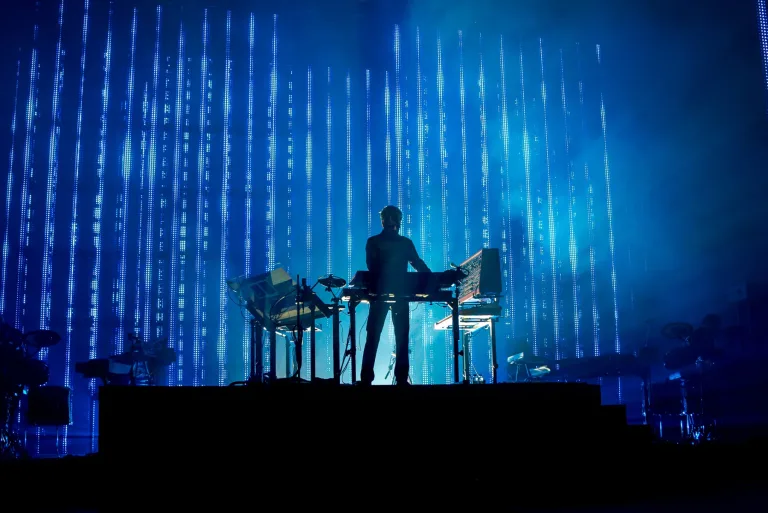
If you want to actually dance, the choice is straightforward. Teatro Kapital on Calle Atocha has seven floors covering different genres and has been an institution for decades. Joy Eslava on Calle del Arenal is housed in a converted nineteenth-century theatre and runs everything from pop to reggaeton. Macera is a club spawned from the success of it’s relative Macera Taller Bar. It’s where the cool kids hang out. Expect to pay €15 to €30 at most venues on a standard night. Madrid clubs also use a guest list system: DM the venue on Instagram with your name and group size at least twenty-four hours ahead and you can often get in free before around one in the morning. It is not a trick. It is just how the system works.

One night, skip the clubs entirely and book a flamenco show. Teatro Flamenco Madrid on Calle del Pez in Malasaña has nightly performances and tickets start around €29. Cardamomo on Calle Echegaray in Huertas is another strong option, with shows most evenings in a more traditional tablao setting. Sitting in the dark watching flamenco at midnight is a completely different side of Madrid from the one you get on Cava Baja, and the city is big enough to fit both into the same trip.
The metro closes at half one. After that, taxis or Uber are your best bet and neither is expensive by London standards. The clubs do not fill until two, so if you arrive before midnight you are either on the guest list or standing in a near-empty room like billy no mates. Eat late, drink slowly at first, and do not peak before the city has started.