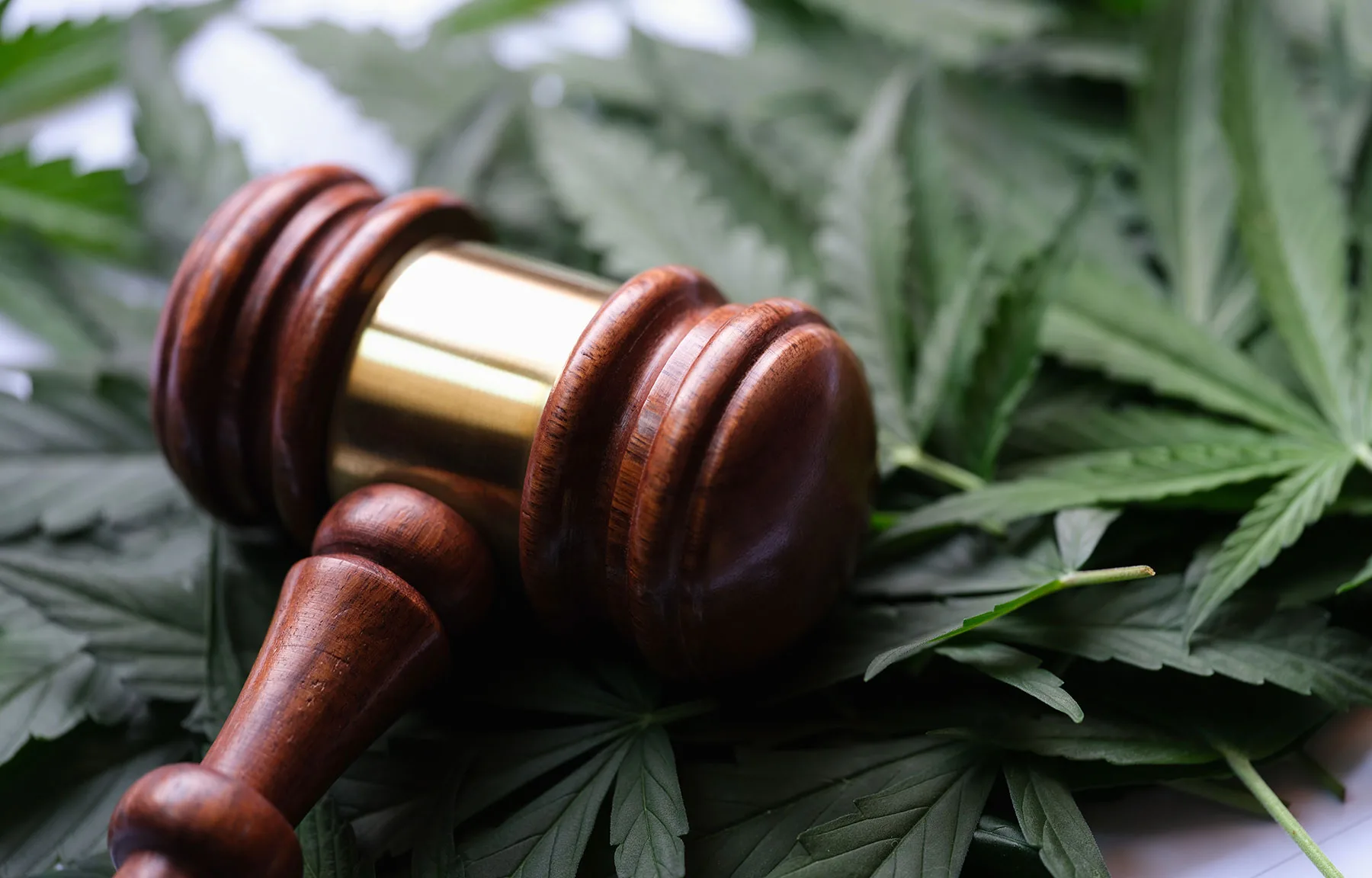
The 2018 law change generated headlines suggesting cannabis had been legalised. It had not, and the confusion has persisted ever since because the actual change was narrow, technical and easy to misreport.
Understanding what happened requires separating two systems that operate side by side and are frequently conflated.
Two Systems, Not One
The Misuse of Drugs Act 1971 is the legislation that makes drugs illegal. It categorises controlled substances into Classes A, B and C according to how harmful they are considered to be, and sets the penalties attached to each.
Running alongside it, the Misuse of Drugs Regulations 2001 set out the exceptions permitting lawful possession and use of certain controlled drugs for medical, dental and veterinary purposes. The regulations sort substances into five schedules according to medical usefulness and potential for harm, with Schedule 1 reserved for drugs considered to have no legitimate current medical use.
The House of Commons Library briefing on the medical use of cannabis sets the position out plainly: cannabis remains controlled as a Class B drug under the 1971 Act, and it is illegal to possess, produce, supply, import or export it in the UK.
What changed in November 2018 was the regulations, not the Act.
What Actually Happened in 2018
Cannabis-based products for medicinal use moved from Schedule 1 to Schedule 2 of the 2001 Regulations. That single reclassification made it lawful for specialist doctors to prescribe them.
Everything else stayed where it was. Herbal cannabis not intended for medicinal use remained in Schedule 1. The Class B classification under the 1971 Act was untouched. Possession without a prescription remained an offence.
So the accurate summary is that a medical exception was widened, not that a prohibition was lifted. That is a considerably duller headline, which is presumably why it was not the one that ran.
The Case That Forced It
The change did not emerge from a policy review. It followed sustained public pressure in individual cases, most prominently those of children with severe treatment-resistant epilepsy whose families were unable to access products lawfully in the UK while obtaining them abroad.
Those cases created a political situation in which the existing position became untenable, and the government responded with a targeted regulatory amendment rather than a broader reform.
That origin explains the shape of what followed. A change driven by a small number of severe paediatric cases produced a framework built around specialist prescribing and clinical exceptionality, not around general access.
Anyone wanting the fuller account of why is cannabis illegal in Britain will find the history runs back well before 1971, through international treaty obligations that continue to constrain what any UK government can do unilaterally.
Why Two Medicines Are Different
A detail that causes endless confusion: two cannabis-based medicines hold a UK marketing authorisation, meaning they have been through the full licensing process. Sativex, a THC and CBD spray, and Epidyolex, a highly purified cannabidiol.
Everything else prescribed in this space is unlicensed, meaning it has not been assessed by the medicines regulator for safety, quality and efficacy. Prescribers may use unlicensed medicines where a licensed one does not meet a patient’s clinical need, which is the legal basis on which most UK prescribing in this area happens.
That distinction, licensed versus merely lawful to prescribe, is the single most misunderstood point in the whole subject.
Who Decides, and Who Does Not Have To Listen
The classification machinery is worth knowing because it explains why change is slow.
The Advisory Council on the Misuse of Drugs is the independent statutory body that advises government on how drugs should be classified and scheduled. The Home Secretary can amend classification after consulting the ACMD.
Crucially, the government is required to consult the ACMD but is not required to follow its advice. That has produced disagreements between the advisory body and ministers on more than one occasion, and it is the reason evidence-based recommendations do not automatically become policy.
Where It Stands Now
In November 2024 the government stated it had no plans to make further changes to the prescribing arrangements introduced in 2018.
Separately, a review of how the 2018 change has worked in practice is underway, examining whether the legislation had its intended effect and what unintended consequences followed. One question being asked is whether the growth of private prescribing has reduced the commercial incentive to run the clinical trials that would generate evidence for NHS use.
That is the central tension. Access exists, evidence generation lags, and the two are connected.
In the meantime the practical machinery is unremarkable. Medicines are dispensed through registered pharmacies, and repeat supply for a long-term condition is handled by providers such as Nationwide Pharmacies in the same way as any other prescription.
The Devolution Wrinkle
One further complication is worth noting, because it catches people out.
Drug control is a reserved matter, so the Misuse of Drugs Act applies across the whole UK and Scotland, Wales and Northern Ireland cannot legislate differently on classification. Health, however, is devolved, which means decisions about NHS provision and clinical guidance can and do differ between the four nations.
The result is a single legal framework sitting on top of four healthcare systems, and a patient’s practical experience depends on which of them they live in.
What This Means Practically
For anyone trying to make sense of it, three points cover most of the ground.
Cannabis is illegal in the UK, and a prescription creates a lawful exception for the person holding it rather than legalising the substance.
Prescribing is restricted to specialists on the General Medical Council’s Specialist Register, and NHS prescriptions remain rare, so most patients pay privately.
And the headlines were wrong in 2018 and are still wrong now. The law did not change in the way most people believe.