Princess cut engagement rings pair crisp geometry with vivid light return. That combination gives the shape its staying power. A square outline reads clean and deliberate, while brilliant faceting breaks that order with quick flashes across the surface. Buyers often respond to both qualities at once. The style feels current, yet it does not depend on fashion cycles. Its appeal rests on proportion, hand presence, and a visual character that remains easy to recognize.
A Modern Classic
Interest in princess cut rings usually starts with shape rather than tradition. Clean edges create a composed outline, while tightly arranged facets produce energetic scintillation under mixed lighting. That balance suits buyers who want structure without stiffness. The silhouette also adapts easily to solitaire, halo, and pavé designs, which helps explain why this cut remains a frequent choice across very different personal tastes.
Why The Shape Feels Different
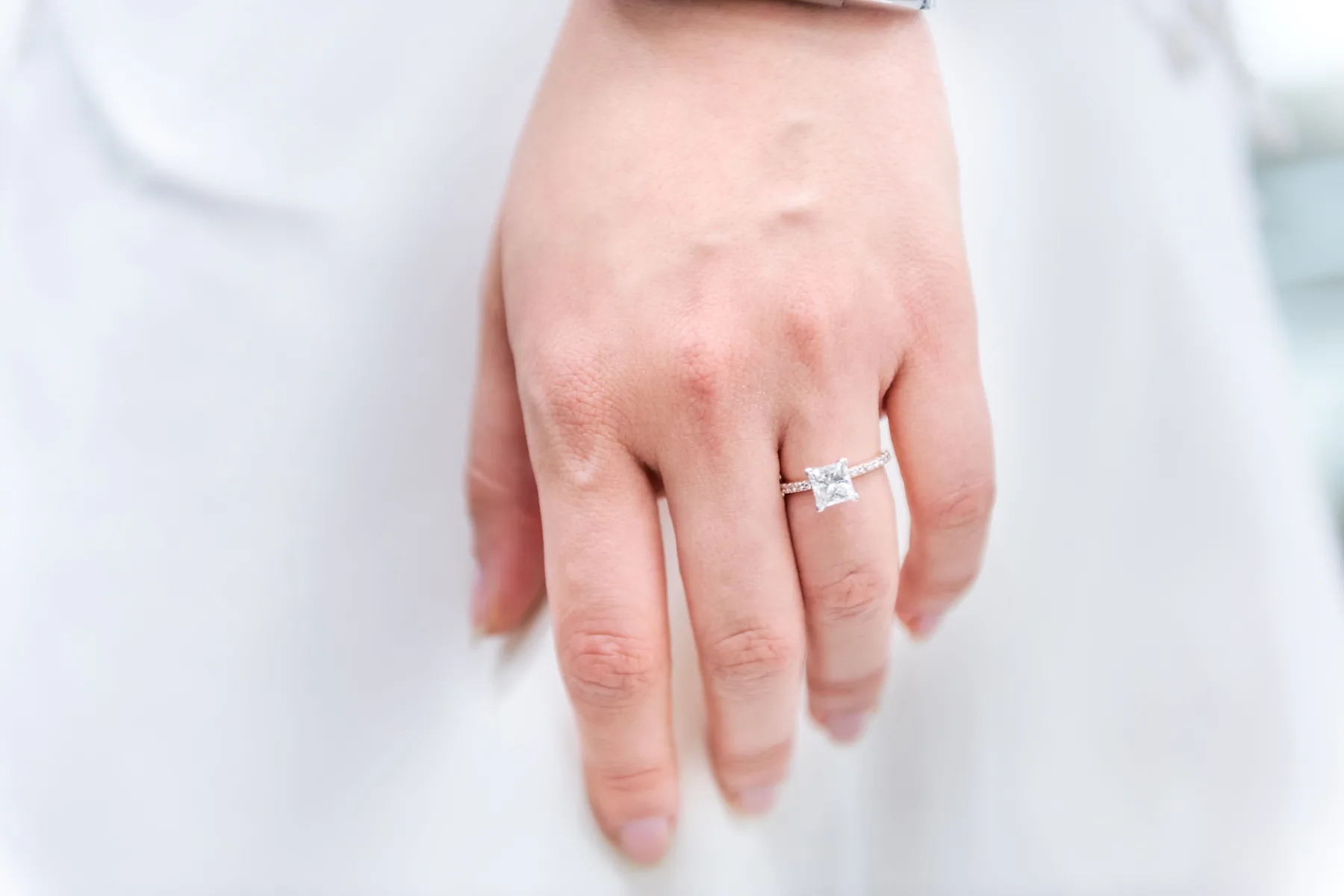
A princess cut presents a square face with pointed corners. That outline changes how the stone reads from several angles. Round diamonds appear fluid, while this shape looks more graphic and intentional. Seen from arm’s length, the edges give it authority. At close range, the faceting softens that impression with movement. The contrast creates a look that feels precise, expressive, and quietly bold.
Brightness From Brilliant Facets
Sparkle drives many first impressions, and this cut delivers it through brilliant-style faceting. Light enters, shifts, then returns in short, lively flashes. Strong examples stay active under daylight, restaurant lamps, and office fixtures. That consistency matters during daily wear, because the ring keeps visual energy across changing conditions. People who value visible scintillation often place this shape high on their shortlist for that reason alone.
Size Value on The Hand
Many shoppers notice the face-up spread before any grading detail. A princess cut can appear generous because its corners push the outline outward. That geometry gives the stone a broad visual footprint on the finger. Price can also favor the shape. Compared with round diamonds of similar color, clarity, and carat weight, a princess cut often costs less.
Cut Quality Still Matters
Fancy shapes do not follow one universal cut grade in the way round brilliants do. That makes proportion review more important here. Depth, table size, and symmetry all affect brightness, contrast, and the amount of dark area visible face up. Buyers should also inspect the polish and corner definition. Small finishing differences can change how cleanly the stone handles light across its square outline.
Corners Need Protection
Those sharp points give the princess cut its signature profile, yet they also make it its most vulnerable. Corner prongs help guard against chips during routine wear. A bezel offers broader coverage while keeping the silhouette crisp. Setting choice matters as much as diamond quality here. Protective design does not weaken beauty. It preserves the lines that make this cut distinct in the first place.
Style Range Is Wide
Few shapes move as easily between minimal and decorative ring styles. In a solitaire, the geometry stays front and center. Hidden halos can add lift without crowding the outline. Pavé bands bring extra light across the finger, while plain metal keeps attention on the center stone. That flexibility gives designers room to shift the mood, from restrained and architectural to ornate and radiant.
Daily Wear Appeal
Long-term comfort matters almost as much as appearance. A princess cut usually sits neatly in classic mountings and newer low-profile settings. Its square shape can feel balanced on many hand shapes, which helps with everyday ease. Strong brightness also keeps the ring visually active without requiring an oversized center stone. That mix of order, wearability, and light return supports lasting satisfaction after purchase.
Metal and Setting
Metal color can change the stone’s character more than many buyers expect. White metal heightens crispness and makes the outline look cooler. Yellow gold softens the effect with warmth around the edges. Bandwidth shifts proportionally as well. Thin shanks can make the center appear larger, while wider bands create a steadier frame. Even prong shape influences whether the finished ring feels delicate or assertive.
Conclusion
The princess cut lasts because it turns contrast into identity. Its outline feels exact, yet its faceting stays lively under nearly any light source. Buyers often appreciate the strong face-up presence, flexible styling, and favorable price compared with many round stones. Those practical strengths support the romance rather than competing with it. For couples seeking a ring with clean lines and vivid sparkle, this shape continues to make a compelling case.