
When you’re exploring a new city, hiking through remote terrain, or simply navigating the daily chaos of travel, your smartphone is often your most essential companion. It holds your maps, your memories, your communication lifeline, and sometimes your emergency funds. Yet many travelers treat their phones with the same casual indifference they might show a disposable camera from the 1990s. The reality is that your device faces unique risks on the road, and protecting it requires more intentional thinking than most people realize.
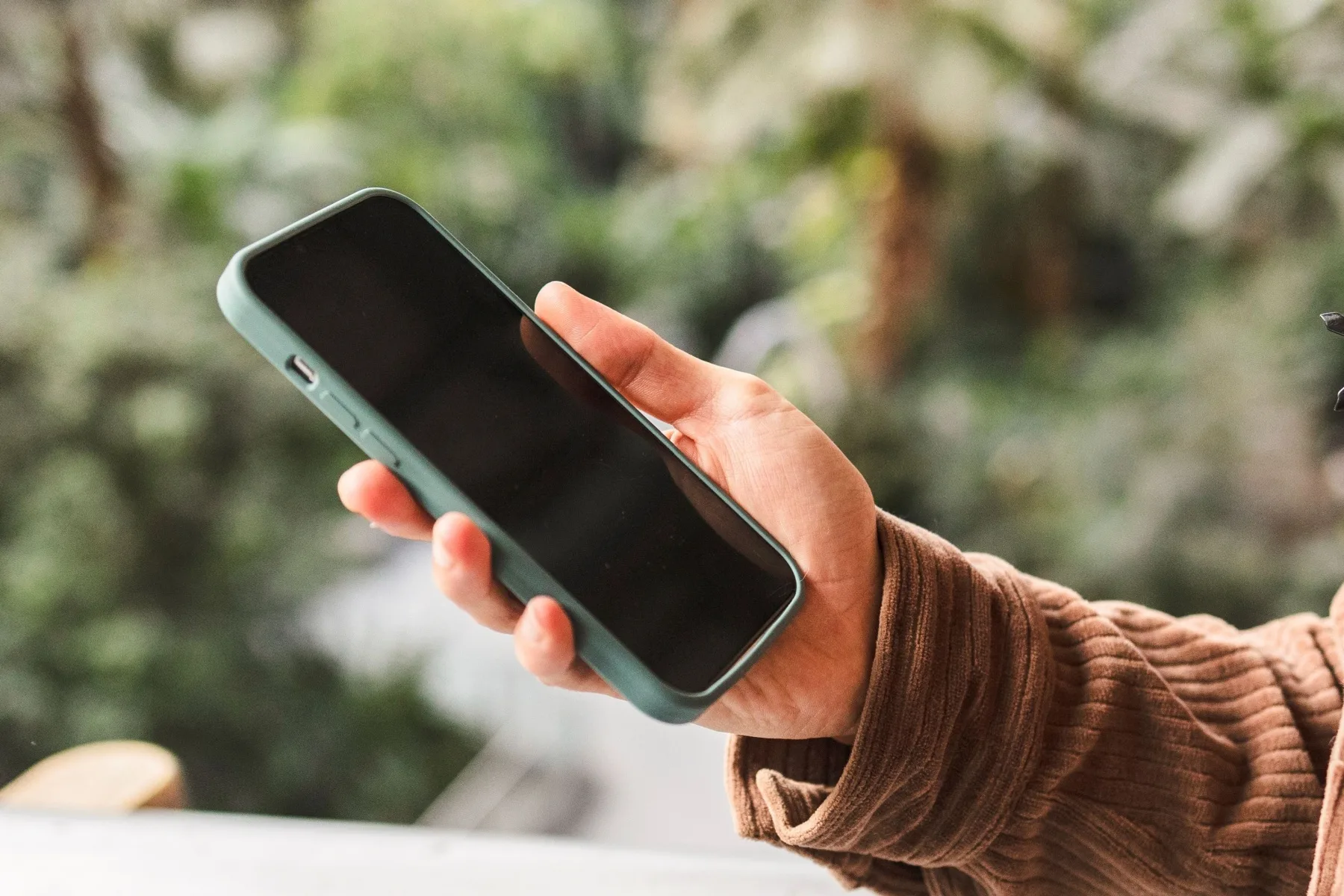
Whether you’re a seasoned backpacker, a business traveler, or someone taking a once-in-a-lifetime trip, your phone’s durability and functionality directly impact your experience. A cracked screen in a foreign country isn’t just frustrating; it can derail plans, compromise your safety, and drain your budget. The good news is that protecting your phone doesn’t require expensive insurance plans or paranoid behavior. It starts with understanding the specific threats your device faces while traveling and making deliberate choices about how to safeguard it. One practical step many travelers overlook is investing in quality protection, such as a phone case that suits your travel style and environment.
The Hidden Risks Your Phone Faces on the Road
Travel exposes your phone to hazards that everyday life at home rarely presents. Humidity in tropical destinations can corrode internal components. Sand and dust from desert environments can scratch screens and jam charging ports. Temperature fluctuations, especially in high-altitude regions, can affect battery performance. Accidental drops happen more frequently when you’re navigating unfamiliar terrain, juggling luggage, or managing the sensory overload of a bustling market.
Water damage represents one of the most common and preventable travel phone disasters. Whether it’s an unexpected rainstorm, a splash from a fountain, or an overzealous hostel shower, water exposure can render a phone unusable within seconds. Beach trips and water-based activities introduce additional risks. Even brief submersion can cause permanent damage to components that aren’t designed to withstand moisture.
Beyond environmental hazards, theft is a genuine concern in many travel destinations. Pickpocketing and bag snatching happen in popular tourist areas worldwide. A phone left unattended on a cafe table or visible in a back pocket becomes an easy target. The combination of physical vulnerability and the high value of smartphones makes them prime targets for opportunistic theft.
Choosing Protection That Matches Your Travel Style
Not all phone protection is created equal, and the right solution depends on your specific travel plans and risk tolerance. A backpacker spending weeks in Southeast Asia faces different challenges than someone attending a business conference in a major city. Your protection strategy should reflect your actual itinerary and activities.
For urban travel, you might prioritize slim, lightweight protection that doesn’t add bulk to your carry-on. A sleek case that offers basic drop protection and fits easily in a pocket or small bag can be sufficient. Urban environments present lower exposure to extreme elements, though theft remains a consideration.
Adventure travelers heading to remote or rugged destinations need more robust protection. A case with reinforced corners and shock-absorbing materials can mean the difference between a functioning phone and a shattered screen when you’re hours away from the nearest repair shop. If you’re planning water activities, water-resistant cases or protective pouches become essential rather than optional.
Climate matters too. Tropical destinations with high humidity and salt air require protection that resists corrosion. Desert environments demand defense against sand infiltration. Cold, high-altitude regions can stress batteries and screens. Understanding your destination’s environmental challenges helps you select appropriate protection.
Practical Strategies Beyond the Case
While a quality case provides the foundation of phone protection, several additional practices significantly enhance your device’s safety while traveling. Keeping your phone in a secure, dedicated pocket rather than loose in a bag reduces both theft risk and accidental damage. Many experienced travelers use a small crossbody bag or money belt specifically for their phone and valuables, keeping them close and visible.
Screen protectors offer underrated value for travelers. They prevent scratches from sand and debris while providing a buffer against impact damage. Tempered glass protectors are particularly effective and don’t significantly affect screen responsiveness or clarity.
Backup your data regularly, ideally before you leave home and periodically during your trip. Cloud storage services ensure that even if your phone is damaged or stolen, your photos, contacts, and important information remain accessible. This practice transforms a potential disaster into merely an inconvenience.
Consider your charging strategy as part of phone protection. Carrying a portable power bank reduces the temptation to use unreliable charging outlets in hostels or cafes, which can damage your battery or introduce malware. Quality charging cables and adapters prevent damage from faulty electrical infrastructure in some destinations.
Insurance and Repair Considerations
Understanding your phone’s warranty coverage before you travel prevents unpleasant surprises. Most manufacturer warranties don’t cover accidental damage or water damage, which are precisely the risks you face while traveling. Some travel insurance policies include device coverage, though it’s worth reading the fine print.
Knowing where to find phone repair services in your destination provides peace of mind. Major cities worldwide have repair shops, though quality and pricing vary dramatically. Researching options before problems arise means you’re not frantically searching for help when your screen cracks.
Some travelers invest in travel-specific phone insurance, which covers accidental damage and theft. The cost-benefit calculation depends on your phone’s value, your travel duration, and your risk tolerance. For expensive devices or extended trips to high-risk areas, the premium might be worthwhile.
Creating a Phone Protection Routine
Successful phone protection while traveling isn’t about obsessive worry; it’s about establishing simple habits. Before each day’s activities, take a moment to assess the environment. Will you be near water? In dusty conditions? Navigating crowded areas? Adjust your phone’s location and protection accordingly.
Develop a consistent routine for storing your phone when you’re not using it. Designate a specific pocket or bag compartment rather than leaving it in random places. This habit prevents both theft and accidental damage from being crushed or dropped.
Clean your phone regularly, especially after exposure to sand, salt, or dust. A soft, slightly damp cloth works well for screens, while a dry cloth handles the case and ports. This simple maintenance prevents debris from causing damage and keeps your device functioning optimally.
Conclusion
Your smartphone is too valuable, both practically and sentimentally, to leave its protection to chance while traveling. The risks are real, but they’re also manageable through thoughtful preparation and consistent habits. By understanding the specific threats your device faces in your destination, selecting appropriate protection, and maintaining simple protective routines, you can travel with confidence that your phone will remain functional and secure throughout your journey. The investment in proper protection pays dividends in peace of mind and uninterrupted access to the tools that make modern travel possible.