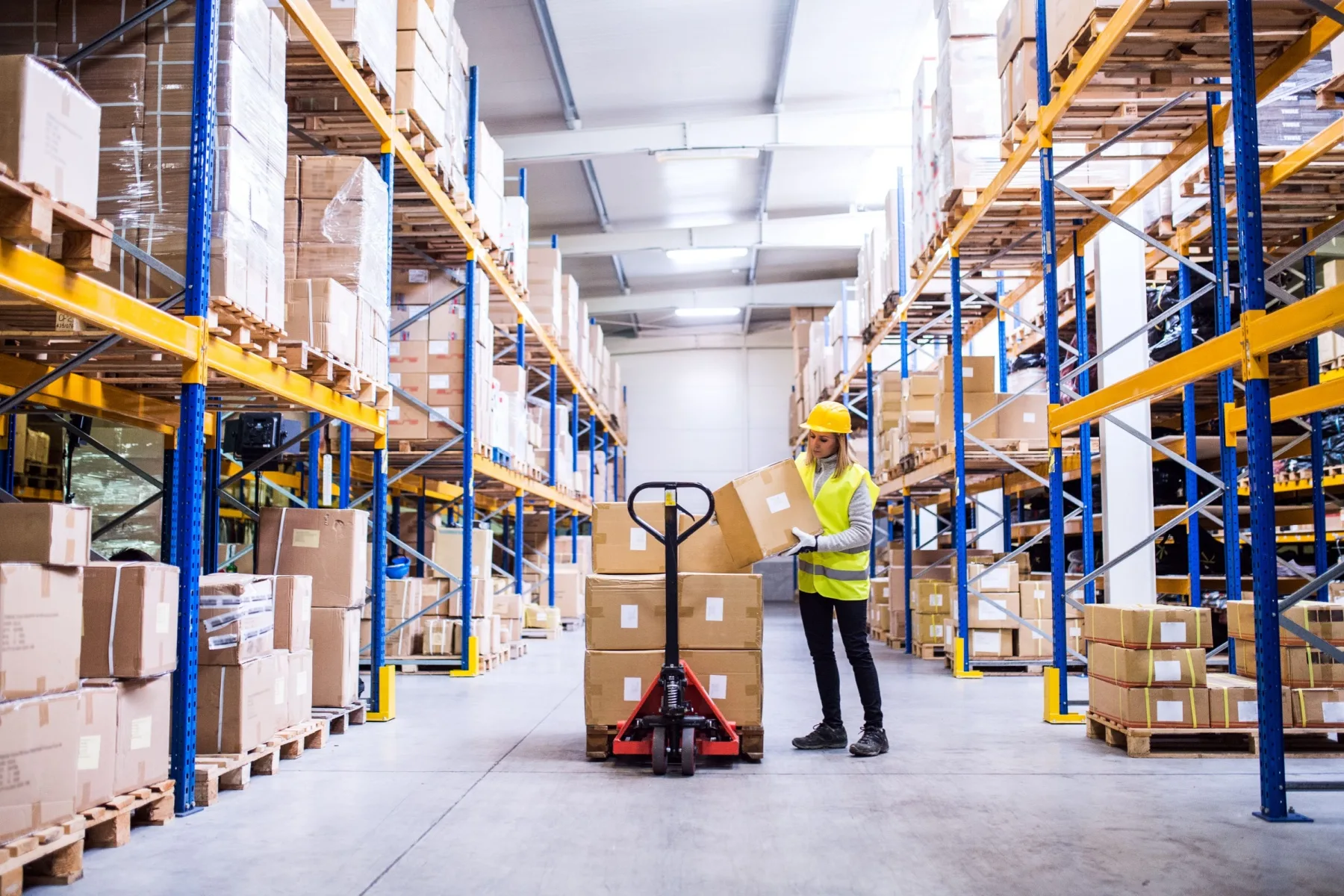
Warehouse operations don’t run on a predictable schedule. Seasonal rushes, short-term contracts, and sudden inventory surges can stretch a facility well past its normal capacity. Buying heavy equipment or adding permanent headcount for these brief windows rarely makes financial sense. Rental solutions let distribution centers and fulfillment hubs adjust their operations in real time, scaling up during peak periods and pulling back once the pressure eases, all while keeping costs under control.
Why Temporary Demand Spikes Strain Warehouse Resources
Peak periods put serious stress on existing infrastructure. A facility designed to handle 500 pallets daily might need to push through 800 during the holiday season or a major product launch. The forklifts and stackers already on-site, often purchased years earlier, may simply lack the capacity to keep up. That shortfall leads to longer load times, crowded aisles, and shipments falling behind schedule. Each delay ripples outward, affecting delivery commitments and client relationships.
Staffing compounds the challenge. Temporary workers brought in for a surge still need dependable machinery to be effective. Without enough material-handling equipment, like reach trucks on the floor, even a full crew can’t move goods at the pace the operation requires. This is why it is beneficial to opt for reach truck rentals in advance to avoid complications.
How Equipment Rentals Bridge the Gap
Renting material-handling machinery gives warehouse managers a way to align fleet size with actual workload. Instead of tying up capital in assets that sit unused for months, facilities can bring in narrow-aisle trucks, pallet jacks, or reach truck rentals for exactly as long as a demand spike lasts. Cash flow stays intact, and there are no lingering maintenance obligations once the rental period ends.
Most rental agreements bundle servicing and technical support into the contract, which takes pressure off in-house maintenance teams. Should a unit break down mid-shift, the provider sends a replacement, keeping order fulfillment moving without extended interruption.
Cost Advantages Over Permanent Procurement
Lower Upfront Investment
A single piece of heavy warehouse equipment can cost tens of thousands of dollars. For a temporary need lasting four to twelve weeks, that kind of spending offers a poor return. Rentals shift large capital expenses into manageable operational costs, freeing up the budget for priorities like workforce training or facility improvements.
Reduced Depreciation Risk
Owned machinery starts losing value the moment it enters service. Wear, technological advances, and shifting market conditions all erode resale potential over time. With a rental arrangement, the provider retains ownership and absorbs financial exposure, leaving the lessee free of depreciation concerns entirely.
Operational Flexibility During Project-Based Work
Many warehouses handle contract logistics assignments that span only a few months. A third-party logistics provider, for instance, might secure a seasonal fulfillment deal that calls for double the usual picking capacity. Renting specialized machinery for that contract period keeps the operation nimble. Once the project wraps up, the equipment goes back, and overhead drops to its baseline.
This approach also proves valuable during facility relocations or renovations. While one section of the warehouse undergoes reconfiguration, rented units can sustain output across the remaining active zones without requiring a permanent fleet expansion.
Faster Deployment and Minimal Training Lag
Rental providers keep ready-to-ship inventories on hand. A warehouse facing an unexpected volume spike can typically secure delivery within days, a timeline far shorter than the weeks or months tied to purchasing new machinery. Most rental fleets carry current-generation models with standardized controls, so experienced operators need very little orientation before working at full speed.
Providers also supply operator manuals and safety documentation, helping facilities stay compliant with occupational health regulations from the very first shift.
Choosing the Right Rental Partner
A reliable provider matters just as much as the equipment itself. Warehouse managers should look closely at fleet variety, geographic reach, service calls’ response time, and contract flexibility. A partner that offers short-term, mid-term, and long-term rental windows gives facilities room to adjust commitments as demand patterns change.
Pricing transparency deserves equal attention. Hidden charges for delivery, pickup, or minor wear can quietly erode the cost benefits that make rentals appealing in the first place.
Conclusion
Temporary warehouse demands call for solutions that scale without locking a facility into long-term financial commitments. Equipment rentals provide a practical answer, putting the right machinery on the floor at the right time while keeping budgets lean. Whether the trigger is a seasonal volume spike or a contract logistics project, this flexible model helps distribution operations hold steady on throughput and service quality. Building rental partnerships into capacity planning gives facilities a dependable strategy for riding out fluctuations without sacrificing efficiency.