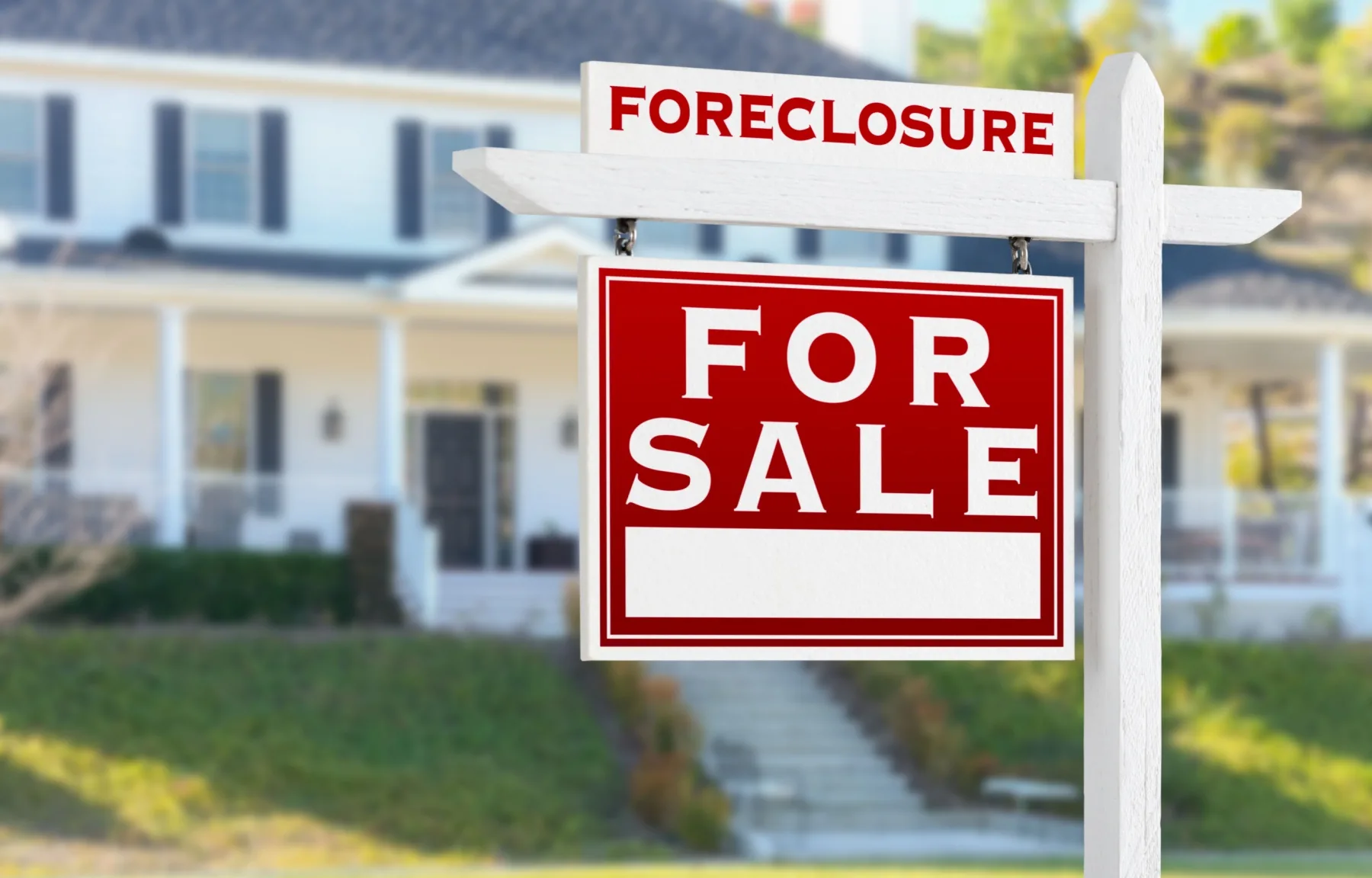
Missing mortgage payments is one of the worst feelings for a homeowner.
Mounting bills. Harsher letters from the lender. Foreclosure starts to seem inevitable.
Here’s the thing…
Foreclosure isn’t necessarily the final outcome. In fact there are several reasonable financial alternatives that can halt the process dead in its tracks. You just have to know about them.
Especially true when you inherit a house with a mortgage. Many heirs rush to sell inherited house fast before the bank comes and takes it all away. If it’s a home in Missouri and you are short on time, explore your options to sell my house fast in St Charles and halt a foreclosure immediately. You could have cash in hand in a matter of days.
Below are your best options for avoiding foreclosure (regardless of how you ended up here).
In This Guide:
- The Foreclosure Landscape Right Now
- Loan Modification
- Forbearance & Repayment Plans
- Refinancing Your Mortgage
- Selling Before Foreclosure Hits
- Short Sales
- Deed In Lieu
The Foreclosure Landscape Right Now
Foreclosure isn’t some rare event that happens to “other people”.
The statistics go up. In 2025, there were 367,460 properties with foreclosure filings, that’s an increase of 14% from 2024. Imagine how many families are about to lose their home.
It gets even uglier when you consider delinquency rates. The delinquency rate reached 4.26% at the end of 2025 — the highest it’s been in years.
But here’s the good news…
Most lenders DO NOT WANT to foreclose. Foreclosure is costly and lengthy for them as well. They would much rather negotiate with you. This puts you in a position of power you may not realize.
Loan Modification: The First Conversation To Have
A loan modification is exactly what it sounds like.
You negotiate with your lender to modify your mortgage. The idea is to reduce your payments to a manageable level.
Common modifications include:
- Extending your loan term: Moving your loan out 10 years from 20 years to 30 years can greatly decrease your monthly payment.
- Lowering the interest rate: By as little as 1-2%, you can save hundreds of dollars a month.
- Principal forbearance: A portion of your loan amount is postponed until the loan’s end.
HUD data proves that this strategy can succeed. The Enterprises completed 60,592 foreclosure prevention transactions in the first quarter of 2025 alone.
The secret? You have to reach out to your lender PRIOR to missing several payments. The sooner you begin the discussion, the more options you will have available.
Forbearance & Repayment Plans
Forbearance is a temporary pause (or reduction) of your mortgage payments.
It’s perfect for short-term hardships:
- Job loss
- Medical emergency
- Death of a co-borrower
- Natural disaster
Forbearance plans are typically 3-6 months, although they can be longer in extenuating circumstances. During this time your lender can’t begin foreclosure on your home.
But you need to understand something important…
Forbearance doesn’t forgive your loan. You eventually have to repay those missed payments. Once your forbearance period expires you’ll re-establish repayment — either all at once, slowly catching up, or by simply adding it to the back end of your loan.
This is great IF you know that your financial hardship is temporary. If your situation appears permanent, then you’ll want to explore other routes.
Refinancing Your Mortgage
If your credit is still in decent shape, refinancing could be your golden ticket.
When you refinance, you trade in your current mortgage for a new mortgage. Ideally, this new mortgage has much better terms than your original loan. It can:
- Lower your monthly payment
- Reduce your interest rate
- Pull cash out of your home’s equity
Here’s one reason why this is exciting right now. US homeowners equity has ballooned to astronomical proportions. Even delinquent homeowners tend to have significant equity built up in their home.
A cash-out refinance might provide you with the money you need to pay back delinquent payments and consolidate your mortgage.
Disclaimer: Refinancing is only an option if you qualify. When your credit starts getting hit with missed payments, that option usually closes very fast.
Selling The Property Before Foreclosure Hits
Sometimes the smartest financial move is to sell.
This is especially true if:
- You owe less than the home is worth
- You can’t realistically afford the mortgage long-term
- You inherited a property and don’t want to keep it
- You need to act fast to protect your credit
A traditional sale often takes months. That can be a huge issue if foreclosure is looming. That’s part of the reason so many homeowners seek cash buyers / “we buy houses” companies. You give up a bit on price for speed and certainty.
Sell BEFORE foreclosure is finalized. You save your credit score and receive any remaining equity. As opposed to foreclosure where you lose your home AND destroy your credit for 7 years.
It’s a no-brainer for many homeowners.
Short Sale: When You’re Underwater
A short sale refers to the sale of your home for less than what is owed on the mortgage.
The lender will agree to accept the reduced payoff and forgive the remainder of the loan. You might ask why they would do this? It still costs them less money than foreclosing on the property.
Short sales are tricky because:
- They require lender approval (which takes time)
- Not every offer will be accepted
- Your credit will still take a hit (just less severe than foreclosure)
However they’re a great option if your loan is underwater.
Deed In Lieu Of Foreclosure
This is the “wave the white flag” option.
You sign your home over to the lender. They forgive the mortgage debt.
It’s not ideal, but it’s better than foreclosure for a few reasons:
- Less damage to your credit score
- Faster process than foreclosure
- You may qualify for “cash for keys” relocation help
This option is typically a last resort — used when nothing else has worked.
Final Thoughts
Foreclosure feels like a one-way street, but it really isn’t.
Homeowners biggest mistake is taking no action. They stick their head in the sand and pretend like it will go away. Spoiler alert…it doesn’t.
The sooner you act, the more opportunities will be available to you. Whether that means:
- Negotiating a loan modification
- Setting up forbearance
- Refinancing your loan
- Selling the property fast
- Pursuing a short sale or deed in lieu
There’s a path forward. The key is picking the right one and moving fast.
Consult a HUD-approved housing counselor if you’re drowning. They can provide you free counseling and help you plan your best course of action.