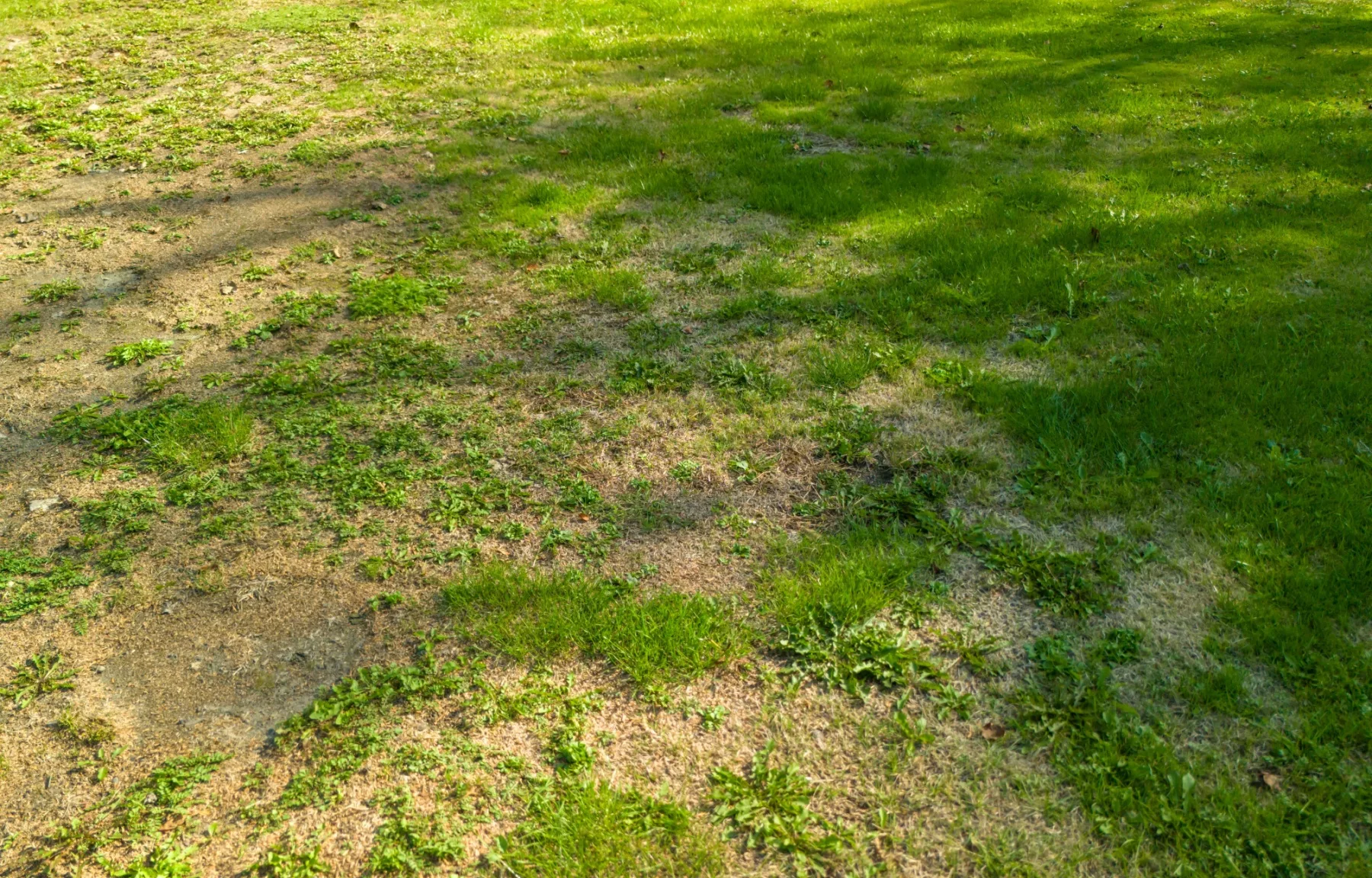
Some gardens ask for too much. Too much water, too much mowing, too much Saturday morning guilt when the grass looks tired again. The bill turns up first. Then the brown patches. Then comes the annoying bit: the lawn has somehow become the thing planning the weekend.
A lower-chore garden starts with the bits people actually use. The boot route from the back door. The child’s shortcut across the grass. The dead strip under the fence where turf gives up every July. Keep the parts that earn their place. Change the parts that keep asking for work.
Why Traditional Lawns Become Expensive to Keep Alive
A lawn looks easy in March. By late June, the hose is out again and the grass still has that tired, grey-green look by Friday. Bigger gardens show it first. Small ones do it too, especially when dry weather keeps hitting the same patch before it has any real recovery time.
The work adds up as well. Mowing. Edging. Feeding. Patching bare spots. Trying to rescue the muddy track between the patio and the gate. None of that feels dramatic on its own. Together, it becomes a second routine hiding inside the week.
The awkward part is that more effort does not always rescue it. A lawn can thin out under football boots, dog traffic, deep shade or one hot August week. More water might keep it alive. Useful? Not always. The wrong grass in the wrong place starts feeling like a bill with roots.
A good redesign starts with one walk round the garden. Which parts deserve living planting? Which parts need a tougher surface? Which parts only look like they work because everyone has got used to the mess?
Where Artificial Grass Makes Practical Sense
Artificial grass works best when it solves a real problem, not when it replaces the whole garden by default. Think high-use patches first. Play corners. Dog routes. Narrow strips beside the house. Shady areas where natural turf keeps fading into mud.
In those zones, the value is not only the neat green finish. It is the removal of a maintenance loop. No mowing there. No feeding. No reseeding after every wet spell. No trying to keep a problem patch alive with extra water when the position itself is the issue.
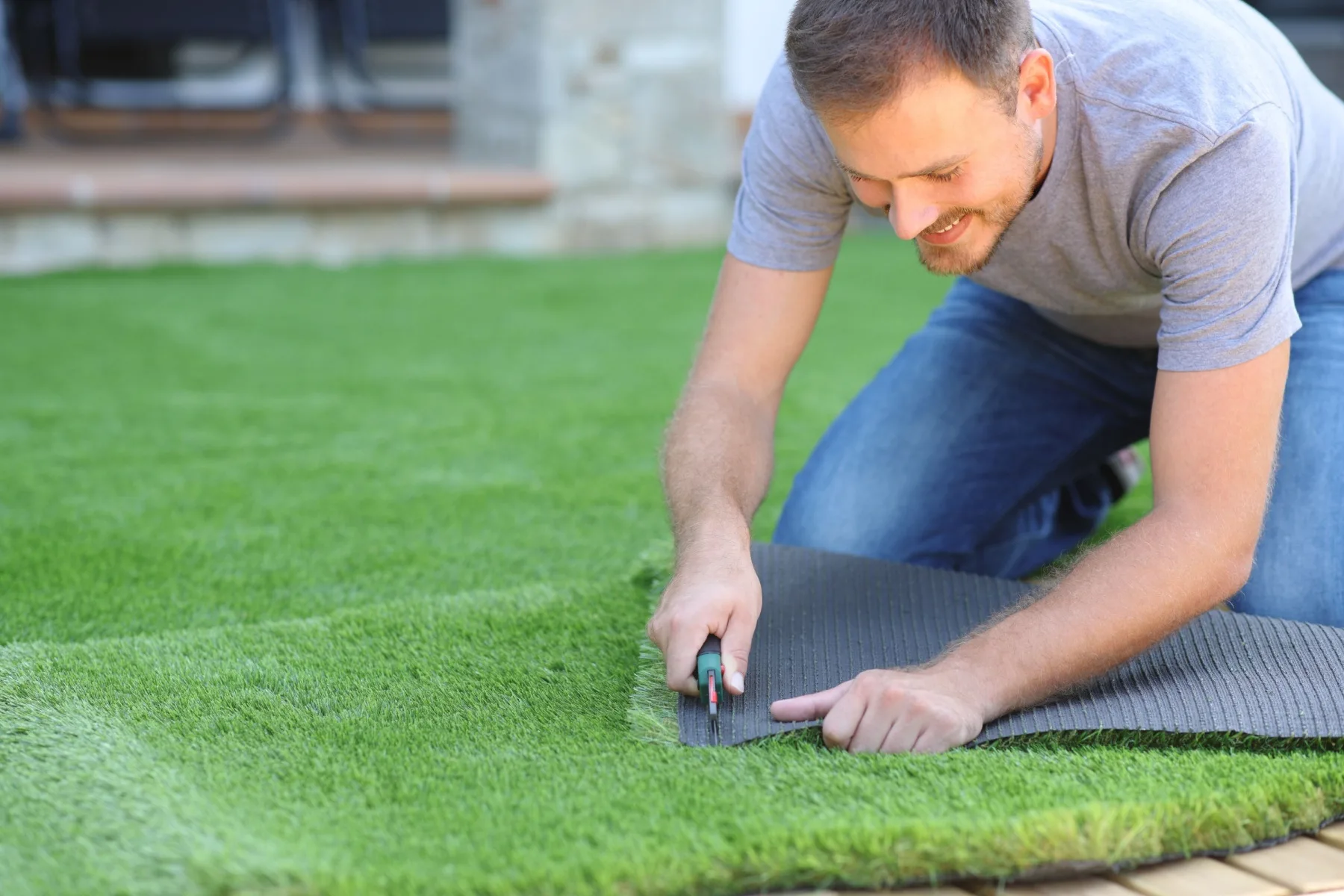
The product still has to suit the space. Pile height. Backing. Drainage. How it feels under bare feet after rain. A patio edge takes different wear from a play zone or a balcony, and that is where premium artificial grass fits a low-maintenance redesign, because the surface has to handle foot traffic, furniture, wet weather and everyday mess without looking tired too quickly.
Drainage is the part nobody talks about until it fails. Rain needs somewhere to go. Pet areas need easy rinsing. A play corner should not hold water in every dip after one heavy shower. Usually, the base below decides whether the finished area feels clean and useful, or slightly wrong once the weather turns.
Using Hard Surfaces Without Killing the Garden
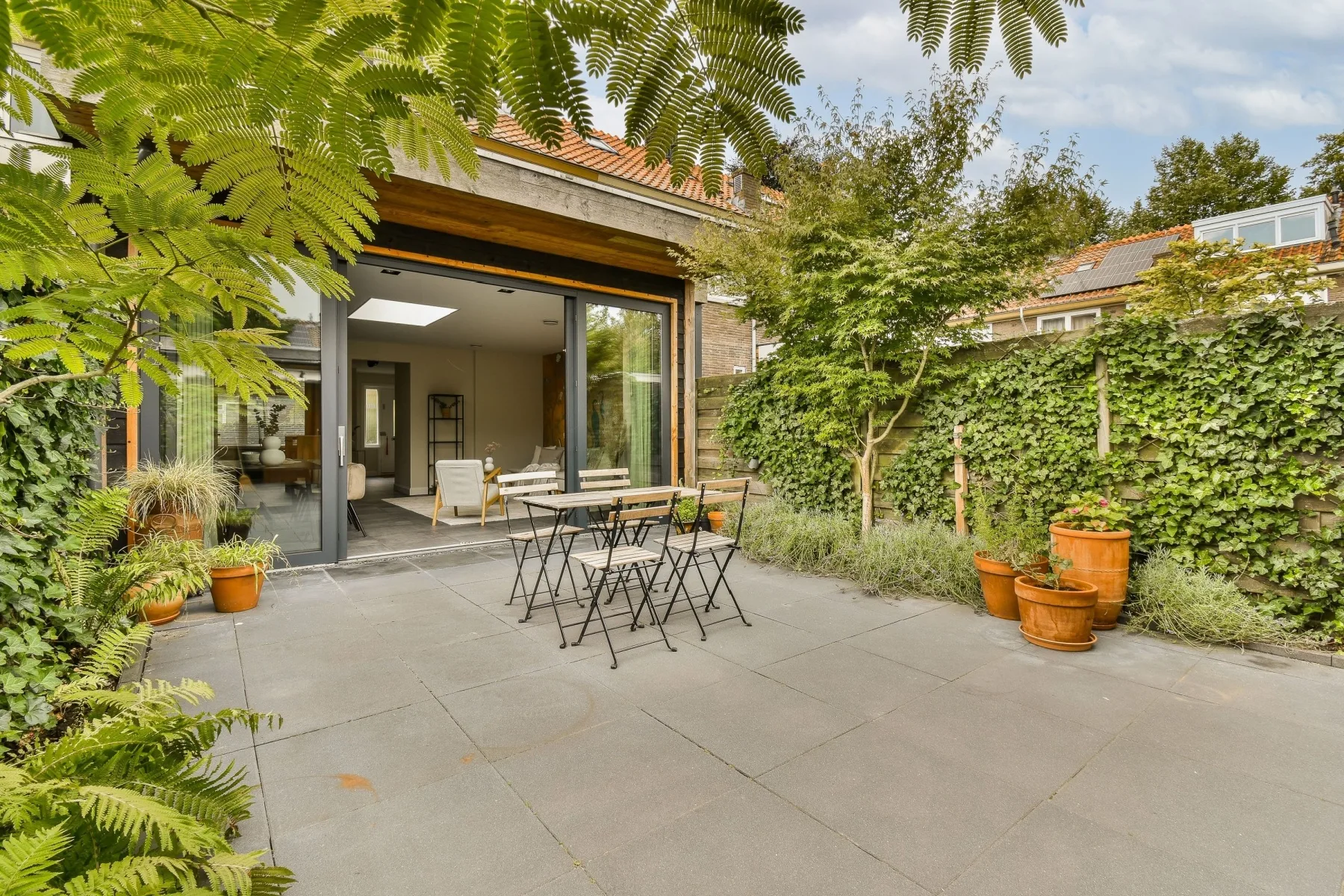
Hard landscaping earns its place when it takes pressure off the lawn. A path where people already walk. A seating area that no longer turns into a muddy square. A side return where plants struggle anyway. Useful hard surfaces do not fight the garden. They stop the worst parts from wearing out.
Permeable options do the quiet work here. Gravel, open-joint pavers and permeable paving let rain move down instead of skimming off toward the drain, reducing rainwater runoff around the busiest garden routes. Flowerbeds beside paths keep more moisture where roots can use it.
Gravel is not maintenance-free. Nothing is. It needs edging, occasional raking and a weed membrane that is not treated as magic. Still, compared with a narrow lawn path that needs constant repair, it can be a better use of the space.
Decomposed granite has the same quiet usefulness in the right garden. It suits paths and seating areas where a softer, less formal finish works. It needs containment though. Without firm edges, it migrates. Slowly at first. Then everywhere.
The point is not to choose one surface and repeat it across the whole garden. That usually looks flat. Better to match surface to pressure. Hardwearing near the door. Softer where people sit. Planted where roots can actually thrive.
Native Planting Cuts Work Without Making the Garden Plain
Plants reduce chores when they suit the site. That sounds obvious, but plenty of gardens are filled with plants that need constant apology. Too dry. Too exposed. Too shaded. Too hungry. The owner works harder because the plant was wrong from day one.
Native and well-adapted plants often cope better once established. They still need care in year one. Watering during dry spells, weeding while they fill out, a bit of patience when they look smaller than the label promised. After that, the rhythm changes. Less rescue work. More watching.
Group plants by water need. Dry-loving plants together. Thirstier ones closer to the tap or the downpipe. Simple. It stops the strange habit of watering a whole border because one dramatic plant in the middle is sulking.
Layered planting helps too. A small tree, shrubs beneath it, groundcover at the edges. The soil stays shaded. Weeds get less room. Moisture lingers longer after rain. A few inches of mulch around the base does quiet work all season, especially during dry weeks when bare soil bakes quickly.
This is where a garden starts feeling less needy. Not abandoned. Just better arranged. The planted areas do the living work, while the durable surfaces take the traffic.
How to Redesign Without Creating Another Job
Start with the garden part that annoys you most. The muddy strip. The patch that needs constant watering. The corner that always looks tired no matter what you do. Fixing that one high-friction area usually makes the rest of the garden easier to read.
Do not redesign from a catalogue image. Watch the garden for a week. Where do people actually walk? Where does the dog stop? Where does rain sit? Which corner dries first? Those answers matter more than any perfect plan drawn on a clean screen.
Keep the best living areas and make them stronger. Replace only the parts that fail over and over. Maybe that means artificial grass in one high-use zone, permeable paving by the back door, native planting where the old lawn never earned its keep, and mulch where the soil dries out too fast.
A lower-chore garden usually starts with one honest fix. The muddy strip. The dry patch. The path everyone walks across even when there is already a path somewhere else. Keep the planting where it can thrive, use tougher surfaces where the garden takes the most wear, and let problem areas stop draining water, time and patience. That is when the plot starts feeling less like a weekly job and more like a garden again.