…In Oslo
Iwas walking. I didn’t know where and there were no plans except to walk and see what happened. It was cold but if I walked long enough I’d be at a nice temperature equilibrium. I would be walking for a bit.
I was in Norway’s Capital Oslo, and here are a few things I picked up along the way.
For a capital city, it is not that big. If you’ve got the legs, you can cover most of the central areas on foot in just a few days
The attitudes toward Oslo from Norwegians are polarising. Some adore it while others thinks it’s just not their place. A common argument I heard was it’s too big a city, which compared to the rest of the world’s cities, it isn’t, but I can see how the argument would hold for a Norwegian used to small cosy towns.
The other argument was it had no nature, which compared to the rest of the world’s cities, it has an abundance of, but I can see how the argument would hold for a Norwegian used to their fjords and mountains and kilometres of wilderness.
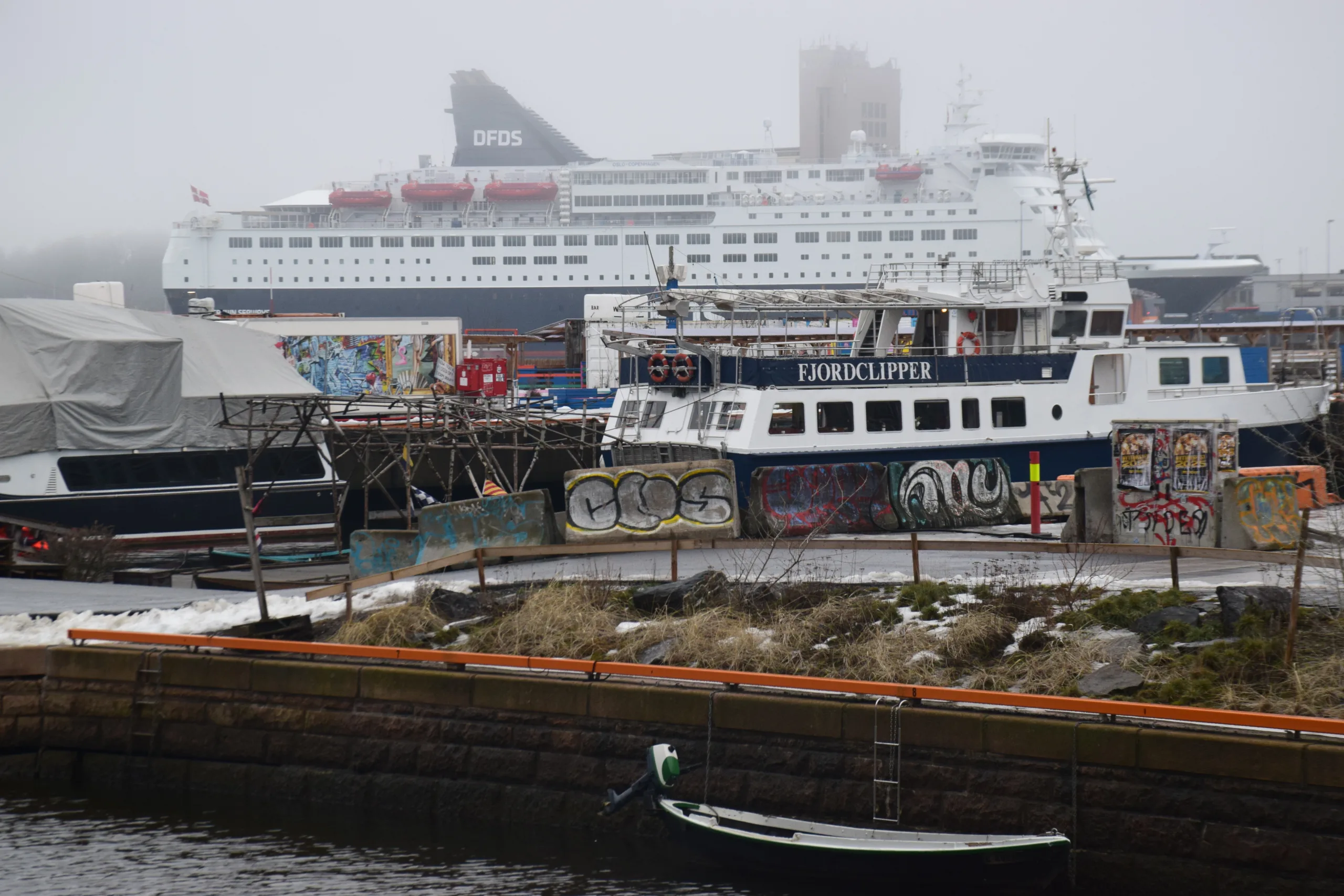
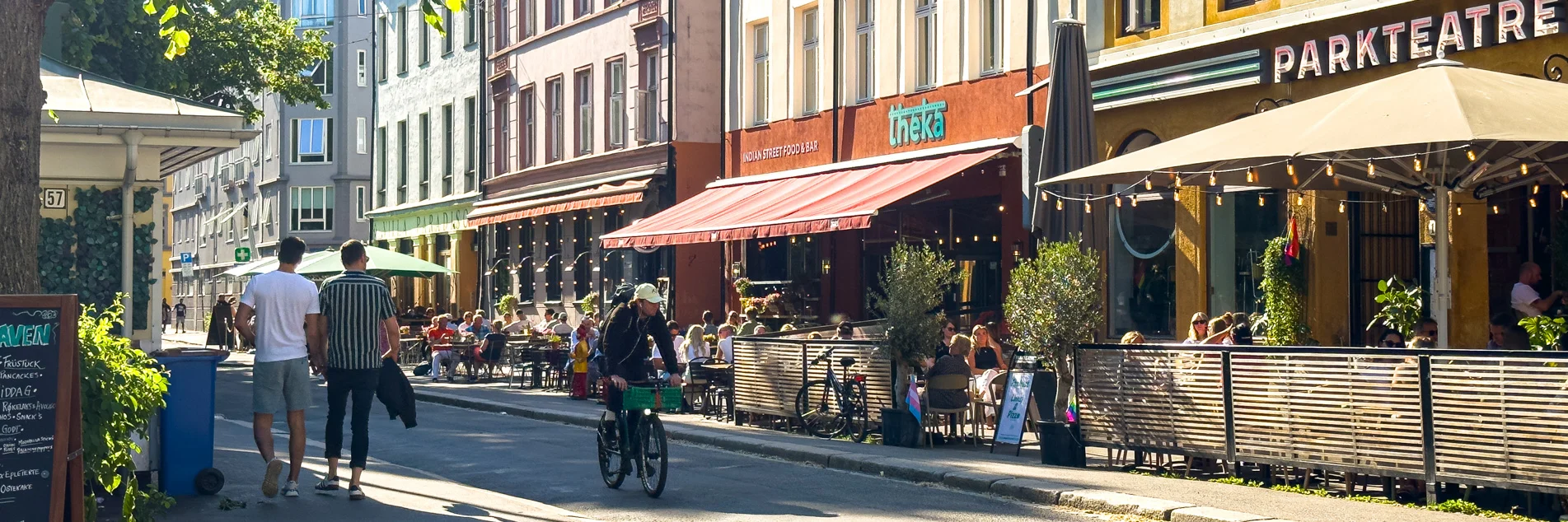
Photo credit – Fara Mohri/VisitOslo
To summarise, I think Norwegians are just spoilt for choice.
The city centre can be oversimplified and broken up accordingly. Hipsters in the north, a diverse combination of old and new Oslo in the east, parks, palaces, estates and pretty things in the west, and classic Oslo attractions in the south central area.
The place I stayed was called Bunks at Rode in the Grünerløkka/Rodeløkka area, the hipster district known for its boutiques, cafés and bars. It was young and chic, and this was really refreshing considering I was in the centre of a capital city.
During high season, Bunks at Rode mainly house young backpackers and budget conscious visitors looking for a social stay, with a bunch of free organised events. During low season they house more commuters and professionals in private studios.

Image Credit: Bunks at Rode

In almost every shop, doesn’t matter if it’s selling candy, kebabs or jewellery, they all sell some kind of sweater or thermal. Everyone looks for coveted label ‘pure wool’. Wool as a material can be naturally quite coarse and irritating, hence why it is often mixed with other materials.
However, if you find the right makers, you can have a pure wool sweater which feels like silk.
I visited the renowned store Dale of Norway and spoke to the folks there about wool and Norwegian culture. A common saying in Scandinavia is there is no bad weather, only bad clothes…
“Yes, that’s a very common saying here in Scandinavia… and it’s something we really live by. It reflects our outdoor culture and the idea that nature should be enjoyed all year round, as long as you’re dressed properly. At Dale of Norway, that’s exactly what we design for – timeless wool garments that keep you comfortable and stylish whether it’s rain, snow, or sunshine. So, it’s not just a saying, it’s a mindset – and it’s part of our DNA.”
“Wool has always been at the heart of Norwegian life. Our climate is harsher and wetter than in many other places, so wool became essential – it keeps you warm even when it’s cold. Over centuries, sheep farming, knitting traditions, and outdoor life shaped our culture, and wool garments grew to symbolise both everyday practicality and national pride. In Norway we even say ‘wool is gold’ – and that really tells you how deeply it’s woven into our identity.
“It’s hard to say there’s a single ‘best’ wool, because different types serve different purposes. Merino wool, for example, is very fine and soft, which makes it perfect for base layers and pieces worn directly against the skin. Norwegian wool is coarser and more durable, which makes it ideal for outerwear and sweaters that need to last for generations. Other wools, like cashmere or alpaca, bring luxury and softness, but they’re not always as hard-wearing.”
“At Dale of Norway, we rely on 100% pure wool for most of our garments because it’s authentic, traditional, and part of our heritage. But in the few cases where we use blends, it’s always intentional – to strengthen wool’s performance or comfort. It’s never about compromise, but about creating the best possible garment for its purpose.”
– Dale of Norway team
I got my hands on one of Dale of Norway’s best productions, a Vail Windproof Men’s Sweater. It is a complete beast of a garment, one of those pieces of clothing you know you’ll be wearing for years and then pass it on to your kids when they grow to your size. It is of course warm, but never sweltering or stuffy. The quality of the wool almost works with your body, adapting to the environment like a living thing (which wool coming from animals actually is).
For comfort, there isn’t a comparison. The sweater is made for the roughest, coldest conditions, so anything less is too easy, like using a concert amplifier set up to listen to music in your room.
Norway is among the top coffee drinkers in the world so I felt very at home and non-judged ordering two or three in a row.
Oslo has many coffee shops and they are all designed very specifically. They like clean, crisp, modern designed cafes, kind of like you’d typically find at speciality roasteries or bakeries. The kinds of cafes will differ depending on what area you’re in, but it seems they all value that minimal and spacious look.
It is my belief the look of a cafe impacts the taste of its coffee, and due to the cleanliness of the cafe asthenic in Oslo, the coffees tasted clean, professional, sophisticated. Another thing is the obsolete idea of a takeaway coffee. Here, they all sit in. It is a fact sitting in makes coffee taste better too.


Just next to the Oslo Opera house is SALT, a place championing these practices. They have a main sauna room which isn’t as hot where everyone drinks and talks and sweats gracefully.
I met a group of guys who’d been coming here for years. One of them was telling me how this is a great way to meet girls except it’s actually healthy, as opposed to downing drinks at a bar pretending to be something you’re not. When you’re half naked sweating in a sauna, it’s very hard to pretend to be something you’re not.
I spoke to Sivert, one of the managers there. She explained Norwegian sauna culture.
If you want to be an informed traveler and make the most of your trip, head to Visit Oslo. They are located right next to the central station. You literally step out the station doors and into the Visit Oslo help desk. They will help you find your niche, which, in a diverse city such as Oslo, is very important.
There are a multitude of museums and galleries and things to do, and it would take a long time to see all of them. Even the National Gallery is a beast of itself needing days. The advice I got was to pick a few things and do them well.
You can get an Oslo Pass which gives you access to all public transport and many of the city’s attractions. It’s also a cheap and quick flight from London.
“I would say the Norwegian sauna culture differs from the Finnish tradition by being more experimental, social, and closely connected to nature. Saunas have existed in Norway for centuries, with historical traces dating back to the Viking Age, but the last 10 years they have received a revival, especially with the rise of urban saunas, and the bigger focus on the health benefits…”
“While Finland has a deeply rooted sauna tradition focused on tranquillity and rituals, the Norwegian approach might be more informal and innovative. Saunas serve as social gathering spots, whether in urban settings or scenic landscapes. Where Finns seek silence and reflection, Norwegian saunas are often filled with conversation or music – always with a refreshing dip close by.”


Photo credit – Fara Mohri/VisitOslo
Dale of Norway clothing https://eu.daleofnorway.com/
Accommodation in the hipster district https://www.bunks.no/
SALT sauna https://www.salted.no/book-sauna-english
Everything Oslo related https://www.visitoslo.com/en/