Image credit: Mark Green / Shutterstock.com
The water pistol was kind of funny for about 30 seconds. A sunburnt tourist got sprayed over lunch, a protester got the photograph they wanted and newspapers around the world discovered the perfect visual for Barcelona’s growing war with mass tourism. Then the cheap plastic toy became mainstream news. The water guns first appeared at a Barcelona protest in July 2024, the pictures went viral. Most Barcelona residents are not stalking La Rambla armed with Super Soakers, but the message proved difficult to ignore. The city had reached the end of its patience.
In 2024, the city received around 15.6 million tourists. Its resident population is approximately 1.7 million. Those visitors do not arrive evenly across 12 months or distribute themselves politely between all 73 neighbourhoods. They descend on the same streets, beaches, markets and Gaudí buildings, frequently at the same time and wearing surprisingly little clothing.
The Problem Is Not Your Weekend Away
Residents did not suddenly decide that foreign people were irritating. Barcelona has been arguing about tourism for years. The grievance is not that somebody from Birmingham wants to see the Sagrada Família. It is the sheer volume of visitors and a business model that has steadily converted homes, shops and public spaces into components of the holiday industry. The housing row explains much of the anger. In June 2024, Mayor Jaume Collboni announced that the city would stop renewing its 10,101 licensed tourist apartment permits when they expire in November 2028. The intention is to push those properties back towards residential use, although critics dispute how many will actually become affordable long-term homes.
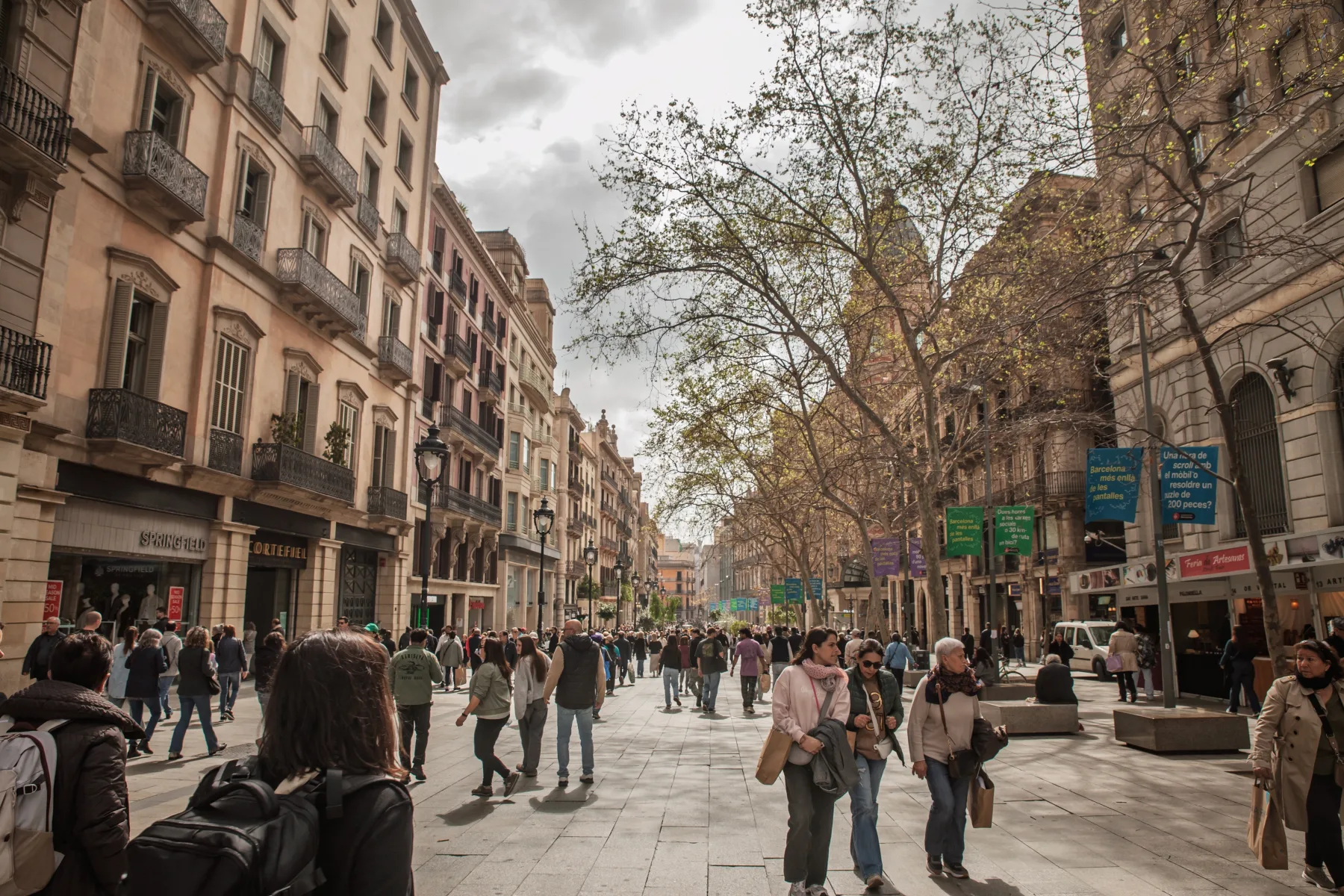
Image credit: BalkansCat / Shutterstock.com
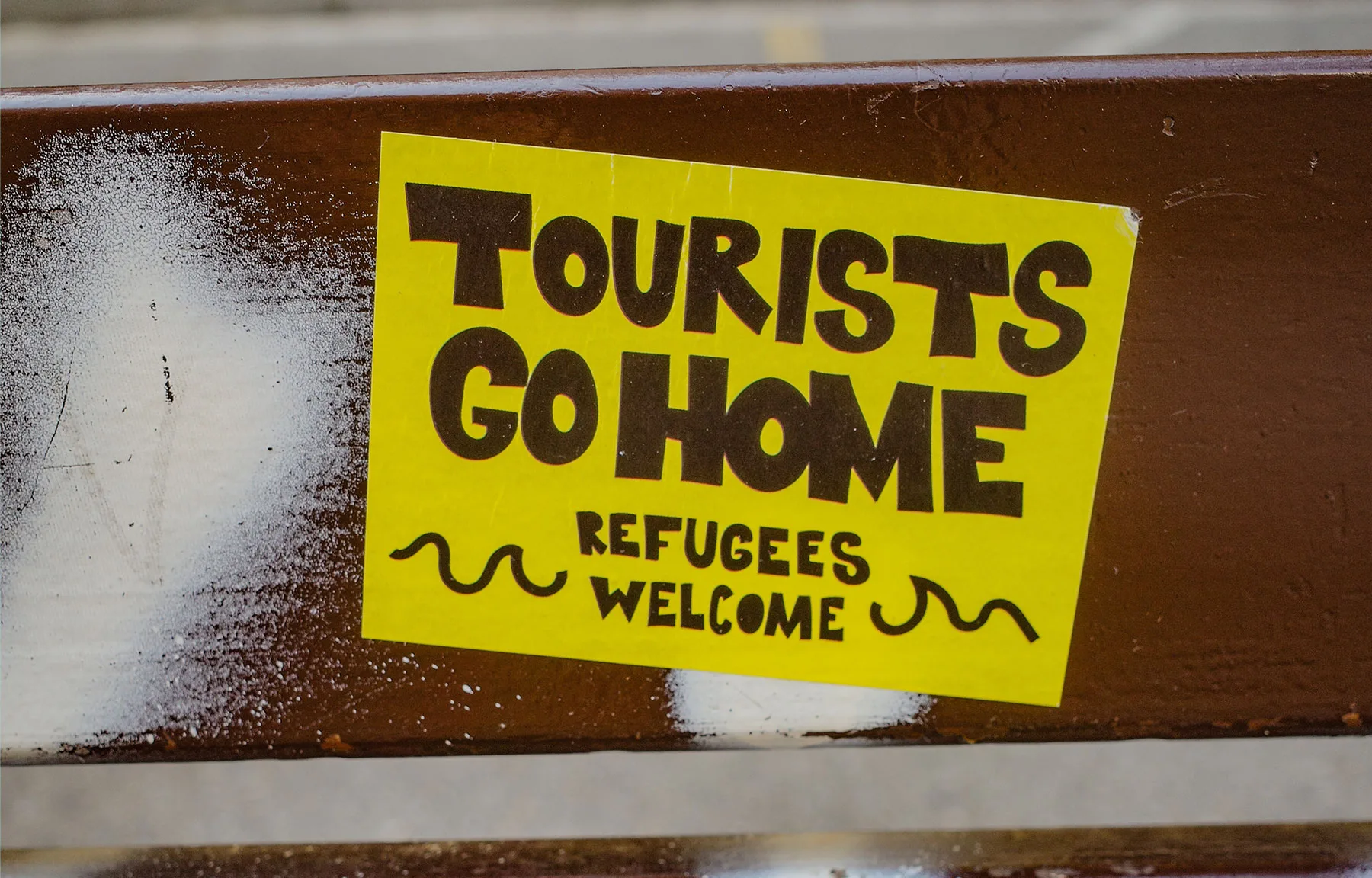
Collboni said rents had risen by 68 per cent over the preceding decade. Airbnb did not single-handedly invent Barcelona’s housing crisis. Shortages, property speculation, weak wage growth and decades of political choices all have parts in that particular disaster. But when a flat can produce more from revolving groups of weekend visitors than from somebody who actually lives and works in the city, landlords do not need much help with the calculation. Eventually, the teacher, nurse or bartender serving the tourists ends up living farther away from the neighbourhood in which they work. That is the bit missing from the usual “tourists go home” photographs. The anger is not really about the person holding the map. It is about who owns the flat they stay in.
Barcelona Has Started Putting Up Barriers
This is no longer just a collection of angry stickers and protest chants. Barcelona increased the tourist entry price for Park Güell from €10 to €18 in 2025, while continuing to allow local residents free access. From April 2026, the city’s accommodation surcharge rose to €5 per person per night, on top of Catalonia’s regional tourist tax.
The city and port authority have also agreed to reduce Barcelona’s cruise terminals from seven to five by 2030. That will cut the maximum number of cruise passengers the port can handle at the same time from 37,000 to 31,000. It is a limit on capacity rather than a firm cap on annual arrivals, and total cruise numbers could continue rising before the changes are completed. Still, it marks a shift from the days when every extra visitor was treated as an unquestionable economic victory. Barcelona received approximately 16 million tourists in 2025. The city’s tourism commissioner has now described that level as the ceiling rather than another record to beat. That is a substantial change in attitude. For years, tourism statistics were treated like football scores. Higher was automatically better. Barcelona is now asking whether winning still counts when large parts of the home crowd can no longer afford a ticket.
Should You Still Go?
Yes, absolutely, it’s incredible. Barcelona has not closed, and the overwhelming majority of residents have no interest in ruining your holiday. Tourism remains a major part of the city’s economy, and many people depend on it for work. The argument is over scale and behaviour, not whether anybody from outside Catalonia should ever be allowed near a plate of patatas bravas again. Book registered accommodation. A regulated hotel in a busy area may do less damage to the housing market than an entire apartment removed from residential use in a supposedly authentic neighbourhood.
Do not assume that staying farther from the centre automatically makes you a more responsible traveller. Quiet neighbourhoods do not exist as cheaper overflow accommodation for the Gothic Quarter. Spend money somewhere other than international chains and businesses designed entirely for passing tourists. Learn enough Catalan to manage bon dia, si us plau and gràcies. Nobody expects fluency, but evidence that you have noticed where you are tends to go down better than shouting English more slowly.