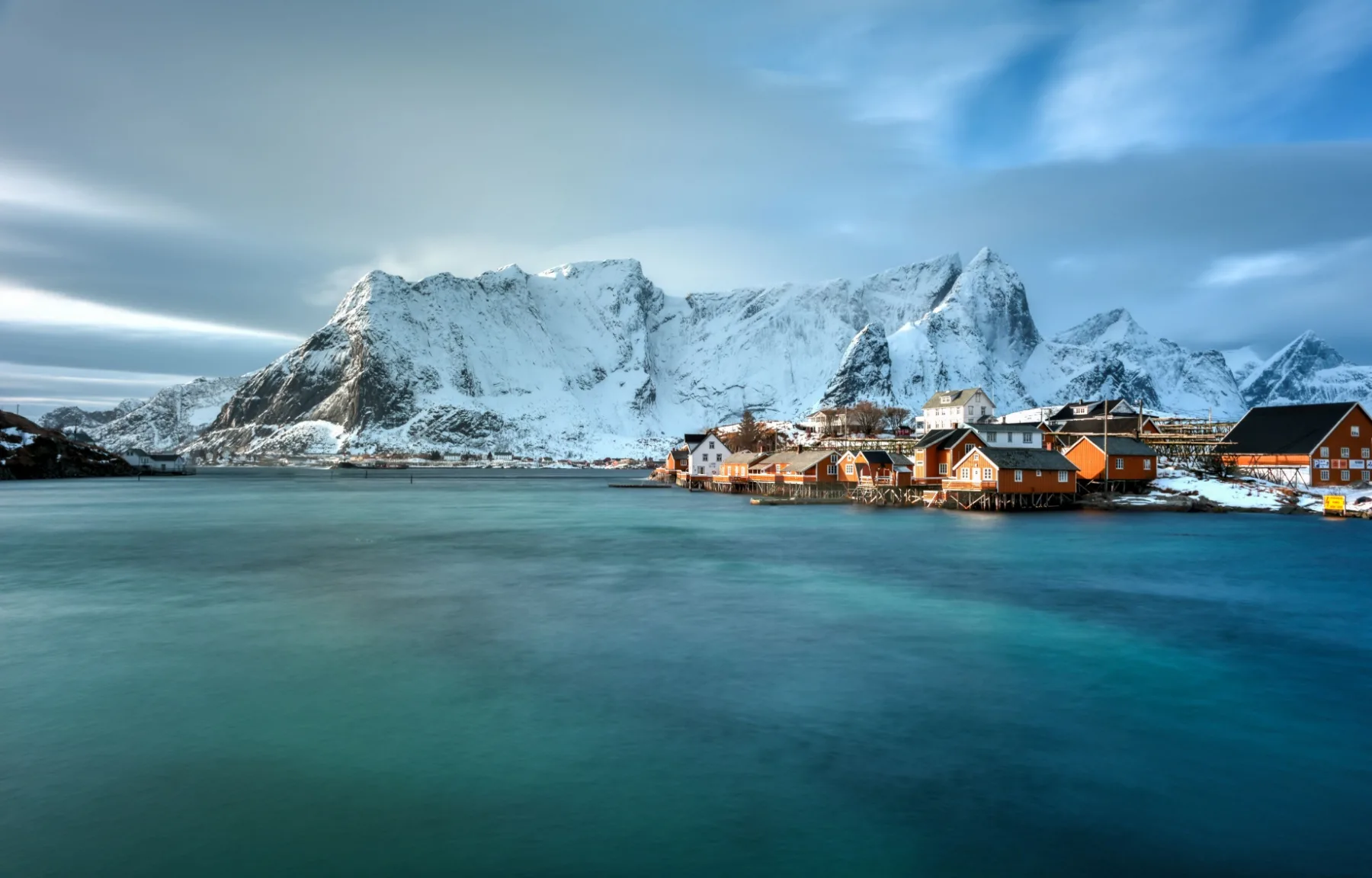
I used to think adventure travel was basically a glorified test of endurance. You know the vibe. If you wanted to see the truly wild parts of this planet, you just had to accept that you were going to suffer a little. It meant sleeping on paper-thin mats, choking down freeze-dried rations that tasted like cardboard, and dealing with logistics that constantly fell apart. For a long time, the unwritten rule was simple. You could have a comfortable vacation, or you could have a deeply meaningful adventure. You just couldn’t have both.
But honestly? That old divide has completely fallen away lately. And I think people are just tired of roughing it for no good reason.
A massive shift is happening right now in how people approach exploration, especially at the high end of the market. Affluent travelers are no longer willing to sacrifice their physical well-being just to stand on the edge of the map. They want an experience where extreme environments and refined comfort live together without compromise.
Have you ever noticed how a powerful natural landscape feels even more striking when you aren’t completely exhausted just from trying to survive it? I know I have. You spend half your time fighting the elements instead of actually looking at them. It’s not a break.
The New Definition of Rugged Exploration
We live in an era where everyone is hyper-connected. The modern professional faces endless digital noise, packed schedules, and the relentless hum of the laptop at midnight, answering emails that could definitely wait until morning. It gets incredibly draining. When people finally decide to travel to remote destinations, they are looking for a total mental reset. They want to witness untouched landscapes and encounter wildlife in its natural habitat, but they don’t want the physical exhaustion that used to be part of the package.
True luxury in the wild isn’t about material excess or showing off anymore. It’s about access and contrast. It is the feeling of spending a freezing afternoon tracking wildlife across a jagged coastline, knowing that a warm space, a hot shower, and a gourmet meal are waiting for you just a few steps away. You know the feeling, when the cold finally gets into your bones and all you want is a safe haven.
And that is where the perspective changes.
This contrast actually enhances the experience of the wild. When your physical needs are fully taken care of, your mind is completely free to focus on the environment. You aren’t distracted by discomfort, which allows you to engage more deeply with the scale of the destination. What good is standing in front of a massive, ancient glacier if you are too cold to think about anything other than your frozen feet? And that’s the point. I guess we forgot that travel should be about wonder, not a survival test. Somewhere along the line, we traded awe for checkboxes.
The Power of Intimate Access
As the world becomes more crowded, traditional luxury hotspots have lost a lot of their magic. Popular resorts and famous coastal towns are completely overwhelmed by tourism, making it almost impossible to find a sense of true isolation. You stand on a scenic viewing deck but only see the horizon through the glow of a stranger’s smartphone screen. It gets old fast. This frustration has driven adventure travelers to seek out the most remote corners of the planet, places where human infrastructure is entirely absent.
Reaching places this remote calls for more than an ordinary ship. An Arctic yacht charter brings together the strength needed for polar waters with the comfort travelers expect from a high-end expedition. In the High Arctic, where ice, weather, and distance shape every journey, the vessel has to feel both capable and inviting. It must be built for serious exploration while still offering a warm, refined retreat after days spent among glaciers, fjords, and open wilderness
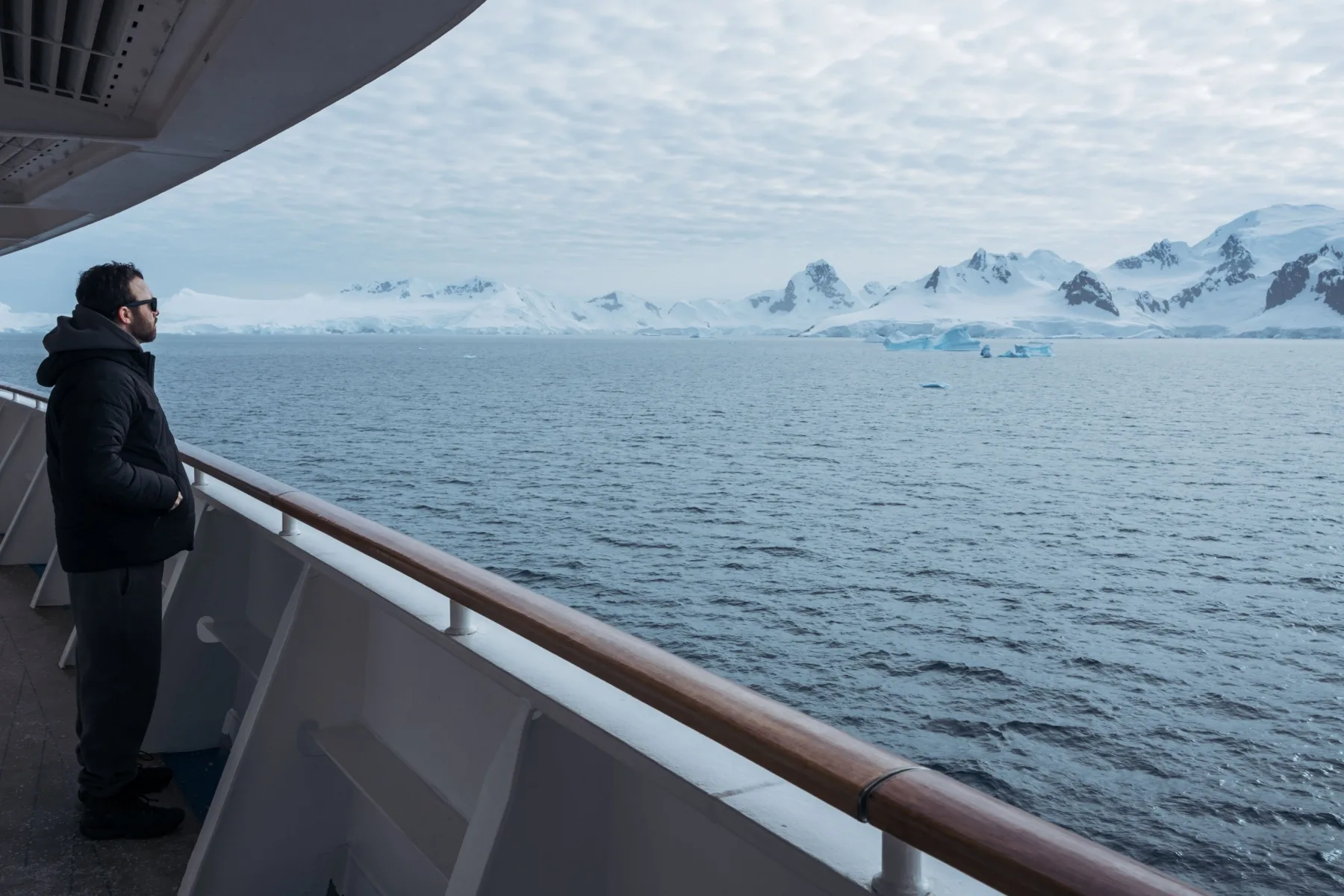
So, the journey becomes a personalized expedition.
Maybe it’s about going as far as possible to find a bit of quiet. Imagine exploring deep, icy fjords or watching massive glaciers crumble into the sea from the warm deck of a private vessel. There are no large crowds out there. No digital billboards. No busy boardwalks selling plastic souvenirs. There is only the vastness of the polar landscape and the quiet power of nature.
Silence becomes the ultimate amenity.
Flexibility as an Essential Feature
When you travel to the ends of the earth, nature is completely in control. The weather changes in minutes, ice shifts to block a path, and wildlife sightings are entirely unpredictable. Traditional travel relies on rigid schedules, but true adventure demands absolute flexibility.
A premium small vessel or private charter allows the itinerary to adapt to the environment in real time. If a pod of whales appears near the ship, the captain can slow down and let everyone watch for hours. If the sun suddenly breaks through the fog to illuminate a massive mountain range, the route can be altered instantly to explore that specific valley.
But can a pre-planned corporate calendar ever truly compete with the natural timing of the wild? Probably not. It takes a few days to settle into that unpredictable rhythm, and your mind fights it at first.
This responsiveness turns a standard holiday into a genuine journey of discovery. You’re no longer watching a destination through a window or following a corporate schedule. Instead, you’re actively participating in the rhythm of the natural world, guided by conditions rather than a pre-determined clock.
Intellectual Engagement in the Wild
Modern high-end adventure travelers are looking for more than just beautiful photographs for their walls. They want to understand the places they visit, which has led to a major change in who accompanies these journeys. The traditional tour guide has been replaced by world-class experts and scientists.
It’s now common for expeditions to feature resident marine biologists, glaciologists, and historians. These are professionals who’ve spent their lives researching the exact ecosystems being explored.
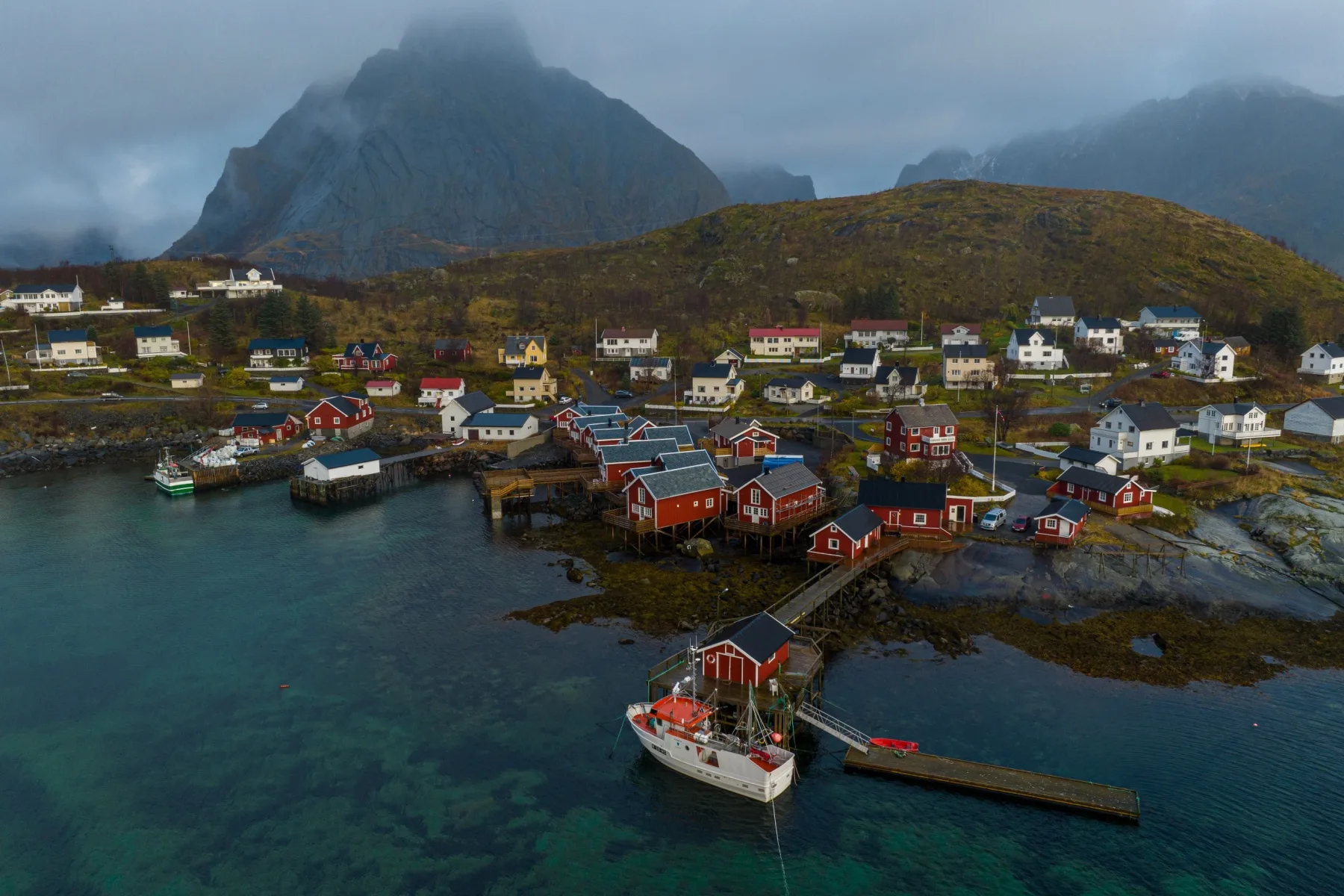
Instead of reading a standard, dry guidebook, travelers can spend their evenings discussing polar bear migration patterns, ice shelf degradation, or early exploration history with the people who actually do the fieldwork. This intellectual connection adds an incredible layer of meaning to the physical journey, turning an adventurous vacation into a deeply transformative experience.
The Lasting Impact of the Quiet Places
Ultimately, the desire for comfort within adventure is about preserving your energy for what really matters. By removing the friction, discomfort, and logistical stress of travel, you create the mental space required to experience true awe.
The travelers of today want to return home feeling mentally refreshed and deeply grounded. They want memories of absolute silence, empty horizons, and genuine wildlife encounters. As the world continues to grow more connected, the ability to find true isolation in absolute comfort will remain the rarest, most valuable experience in travel.