Choosing living room furniture sounds simple until you try to make it work in real life. A room can look beautiful in a showroom or on Pinterest, but everyday living asks more from it.
You need seating that feels comfortable after a long day, pieces that suit the size of the room, and a layout that works whether you are relaxing alone, hosting friends, or sharing the space with family.
That is why the best living room furniture is not just about style. It is about how you live.
Start With Your Daily Routine
Before you think about colours, fabrics, or design trends, think about what actually happens in your living room.
Do you watch TV there every evening? Do you host guests often? Is it where the kids pile in after school? Do you need a calm place to read, work, or unwind?
The answers matter because they shape every furniture decision that follows. A living room used mostly for entertaining may need a very different setup from one built around family downtime and comfort. When furniture fits your routine, the room feels easier to use and more natural to live in.
Think About Comfort Before Trends
It is easy to get distracted by what looks current, but furniture has to do more than look good for a season.
A sleek sofa may seem attractive at first, but if the seat is too shallow, the cushions are too firm, or the shape does not support how you like to sit, it can quickly become frustrating. The same goes for accent chairs, coffee tables, and storage pieces that look impressive but add little to the way the room functions.
Comfort is not separate from design. In most homes, it is one of the most important parts of good design.
Measure the Room Properly
One of the most common mistakes people make is choosing furniture based on appearance alone without thinking carefully about scale.
A sofa that looks perfect online may overpower the room once it arrives. A coffee table may be too large for the seating area. Chairs may leave little space to move around comfortably.
Measuring the room first helps you avoid expensive mistakes. Look at the width and depth of the furniture, but also consider walking space, window placement, doors, and how close pieces will sit to each other.
The goal is not to fill every inch. It is to create a room that feels balanced and easy to move through.
Choose Furniture That Matches the Way You Use the Space
Not every home needs the same kind of furniture. Some living rooms work best with a classic three-seat sofa and a pair of chairs. Others benefit from a sectional that helps define the room and gives more people a comfortable place to sit. In smaller spaces, multifunctional pieces may be the smarter choice. In larger rooms, you may need layered seating and anchoring furniture to stop the space from feeling too open.
This is where customisation can make a real difference. When you are trying to make furniture fit your room, your routine, and your preferred style, flexible options are often more practical than standard one-size-fits-all pieces. DreamSofa has a useful guide to the best customizable living room furniture for homeowners who want something that suits both their space and the way they live.
Prioritise the Main Seating Piece
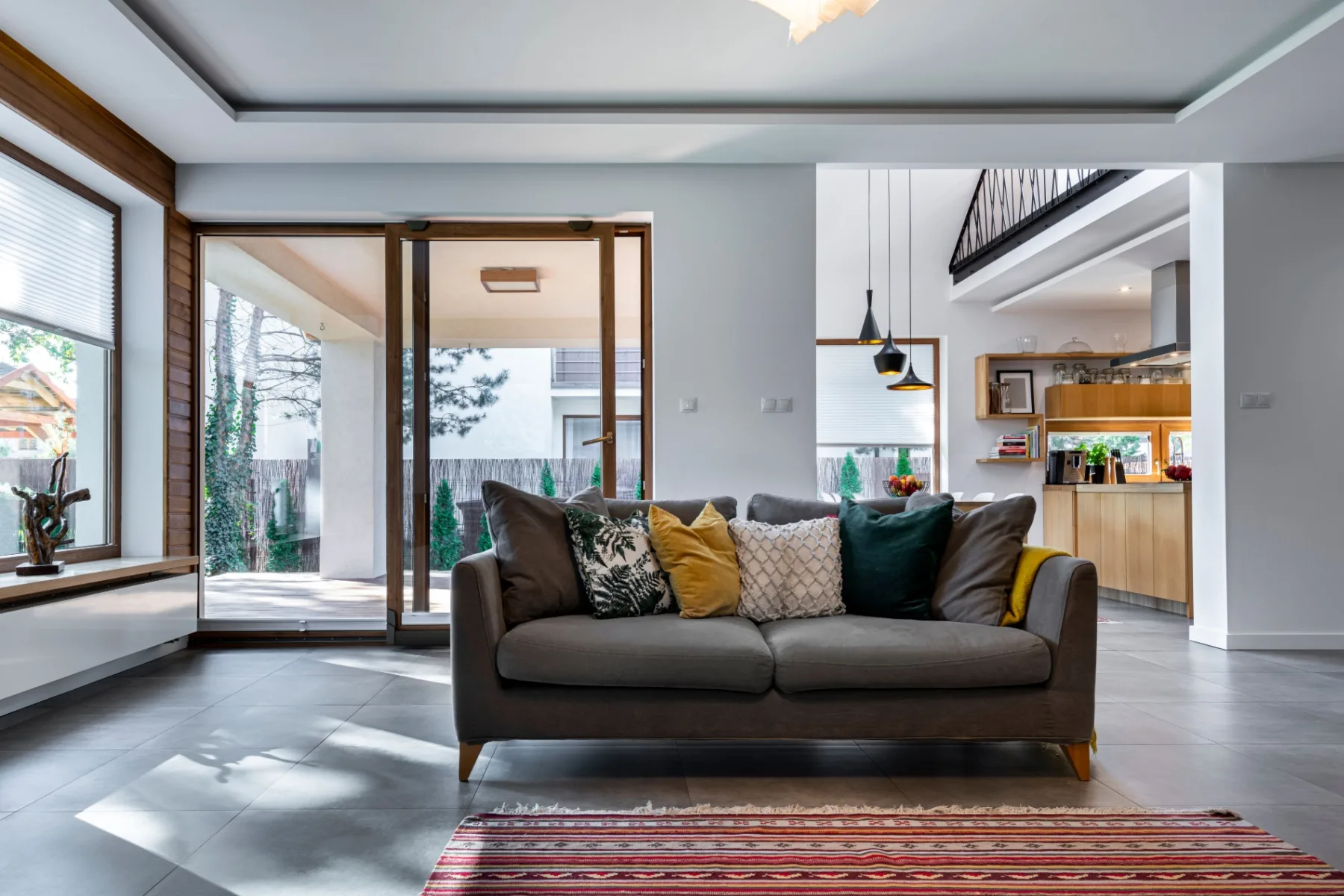
In most living rooms, the sofa is the anchor. It usually takes up the most visual space, sets the tone for the room, and shapes how everything else is arranged around it. That is why it makes sense to choose the main seating piece first before deciding on side tables, media units, or decorative accents.
Once the sofa is right, the rest of the room tends to come together more easily. You can build around it with pieces that support the layout instead of competing with it. A good sofa should feel like the natural centre of the room, not just another item placed in it.
Balance Style With Practical Needs
A living room has to cope with daily life, not just occasional admiration. That means practical details matter. Fabric choice matters if you have children or pets. Cushion construction matters if the sofa will be used heavily. Table surfaces matter if you actually use them for drinks, books, laptops, or everyday clutter.
None of this means the room cannot feel stylish. It simply means the best choices are the ones that balance appearance with function. The smartest furniture choices usually look good and solve a problem at the same time.
Do Not Ignore Layout
Even the right furniture can feel wrong in the wrong place. A beautiful room can still feel awkward if the seating is too spread out, the coffee table is too far away, or the walkway cuts directly through the middle of the seating area. Furniture should support conversation, movement, and comfort.
Try to think about how people enter the room, where they naturally sit, and how the layout supports the focal point, whether that is a television, fireplace, or simply the social arrangement of the seating area. The best living rooms feel effortless because the furniture placement makes sense.
Leave Room for the Space to Evolve
Homes change over time. Your routine may shift. Your family may grow. You may move furniture around, repaint the room, or change how you use the space altogether. That is why it helps to choose furniture that can adapt rather than lock you into one rigid setup.
Flexible layouts, versatile pieces, and furniture that suits more than one use can help the room stay functional even as your needs change. This is especially valuable in homes where the living room has to work harder than one single-purpose space.
Buy Less, But Buy Better
One of the easiest ways to make a living room feel cluttered is to buy too much furniture too quickly.
It is often better to begin with a few strong pieces that suit the room well and add gradually. A well-chosen sofa, a practical coffee table, and one or two complementary pieces can often do more for a room than filling it with items that do not quite belong.
Quality, fit, and comfort tend to matter more than quantity. A room that feels intentional usually comes from restraint, not excess.
Final Thoughts
Choosing living room furniture that fits the way you actually live means being honest about what your home needs.
It means thinking beyond trends and focusing on comfort, scale, routine, and flexibility. When you choose pieces that suit the room and support daily life, the result is not just a nicer-looking space. It is a space that feels better to use every day.
That is what good living room furniture should do. It should make your home feel more comfortable, more practical, and more like your own.
FAQs
How do I choose the right living room furniture?
Start with your routine, room size, and comfort needs. The best furniture should suit how you use the space every day.
What type of sofa is best for everyday living?
That depends on your room and lifestyle. A sectional works well for larger or family-focused spaces, while a standard sofa may suit smaller rooms better.
Should living room furniture match exactly?
Not necessarily. It is usually better to choose pieces that complement each other rather than match perfectly.
Is custom living room furniture worth it?
It can be, especially if you want furniture that fits your room layout, style, and daily needs more precisely.