Small lighting upgrades can change how a space feels and how well it works. That is especially true of puck lights, which are often used in places where overhead lighting falls short, such as under cabinets, in closets, above workbenches, or in dark corners that need a cleaner look. To shape this guide, product specifications, lighting standards, and common home-use situations were reviewed to keep the focus on the features that matter in everyday life.
At a glance, many puck lights seem similar. Most promise easy setup, decent brightness, and a simple way to add light without a full remodel. The difference usually shows up later, after the lights have been installed and used for a while. Some stay bright and dependable. Others start to feel dim, inconvenient, or flimsy much sooner than expected.
That is why quality matters more than it may seem on the shelf. A lower price can be tempting, but the better buy is often the product that works well every day and keeps working over time.
Brightness Is About More Than a Strong First Impression
One of the biggest differences between lower-end options and high-quality puck lights is how useful the light actually feels in the room. A light can look bright in a package description and still fall short once it is placed under a cabinet or inside a closet.
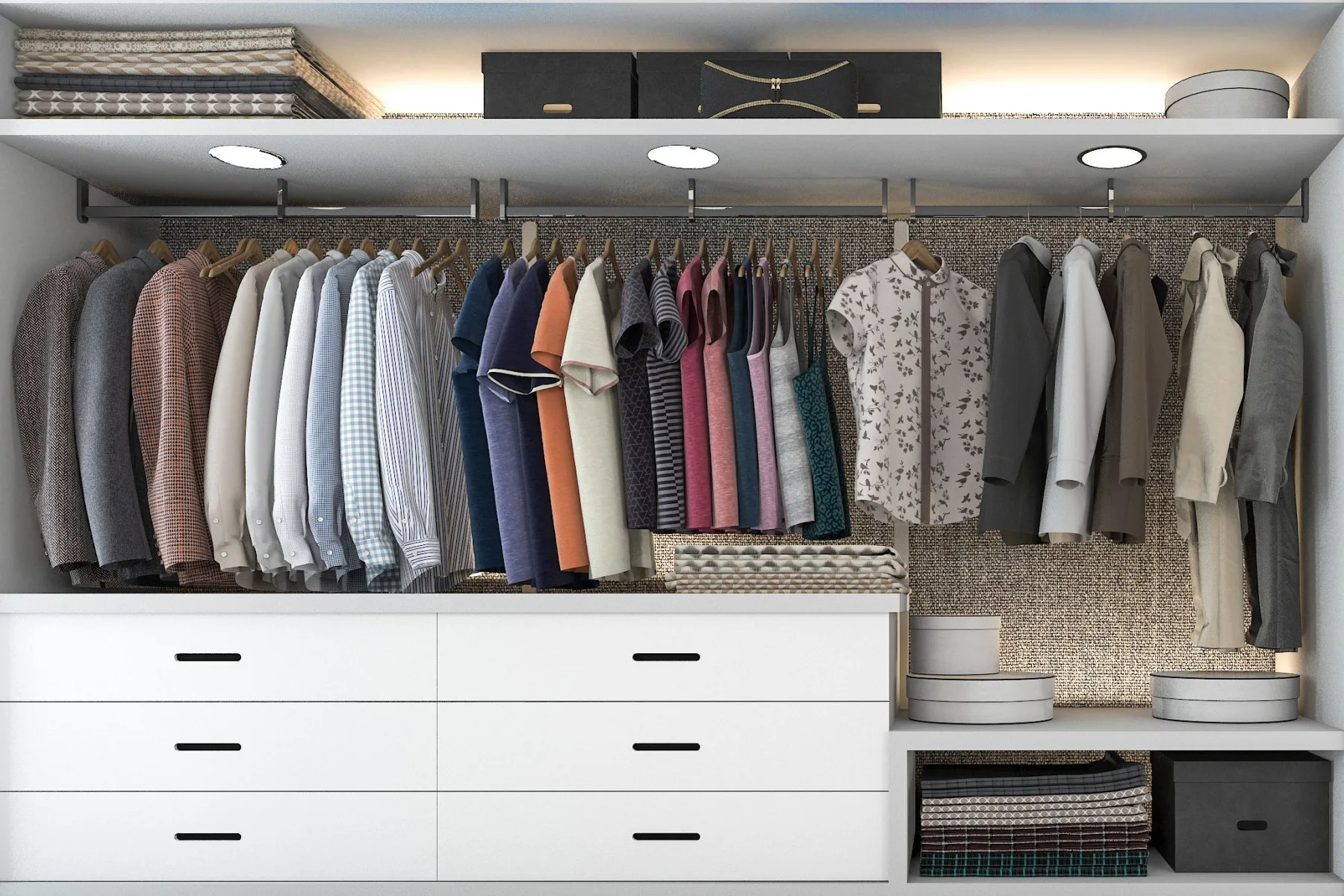
High-quality puck lights tend to deliver cleaner, more even lighting. That matters in kitchens where shadows can make prep work harder, in closets where color and detail are easier to see with better light, and in workshops where visibility affects comfort and accuracy. A harsh or uneven beam may create bright spots in one area and leave the rest of the space underlit. A better puck light spreads light more smoothly, which makes the area look more finished and easier to use.
Brightness also needs to make sense for the space. In an under-cabinet setup, the goal is usually task lighting that helps with chopping, reading labels, or cleaning up. In a closet, the goal may be fast visibility without glare. In a workshop, strong and steady light matters more than a soft decorative effect. High-quality lights are more likely to feel practical in all these settings rather than simply looking bright for a moment.
Another issue is consistency. Lower-end lights may start strong and then fade quickly as battery power drops. Better options tend to maintain a more reliable level of light, so the area stays usable rather than slowly becoming frustrating.
Battery Life, Installation, and Reliability Shape Daily Use
Battery life is one of the first places where quality becomes obvious. In everyday spaces, convenience matters just as much as output. A puck light that requires frequent battery changes can turn a simple lighting upgrade into another recurring task. That becomes even more annoying when several lights are installed in the same area.
High-quality puck lights usually offer better power management, which helps them last longer between charges or battery changes. That difference matters in places like pantries, stairwells, laundry rooms, and garages, where people want light to be there without much thought. Reliable runtime also means fewer interruptions, fewer replacements, and less trial and error trying to figure out why one light seems weaker than the others.
Installation is another area where quality shows up fast. A well-made puck light is usually easier to mount securely and easier to position where the light is actually needed. That matters under cabinets, where uneven placement can create dark gaps, and in closets or workshops where access may already be awkward. A product that is simple to install can save time on the front end, but a product that stays in place and keeps working is where the real value shows up.
Controls matter too. Touch activation, push buttons, or remote features should feel responsive and straightforward. A lower-end product may require repeated taps, feel inconsistent, or become annoying to use over time. When lighting is part of a daily routine, small annoyances tend to stand out more and more.
Long-term reliability is often what separates a smart purchase from a forgettable one. High-quality puck lights are generally built to handle repeated use better. That includes the housing, mounting system, battery compartment, and switches or sensors. In a busy kitchen or workshop, those details are not minor. They affect whether the light still feels helpful after months of use or starts to feel like another thing that needs replacing.
Why Better Puck Lights Often Save Money in the Long Run
A cheaper puck light may seem like the practical choice at first, especially when buying several at once. But the lower upfront cost does not always hold up over time. When lights fade too quickly, need frequent battery changes, stop responding properly, or fall off their mounting surface, the real cost starts to climb.
That cost is not just financial. It also shows up in time, effort, and frustration. Replacing batteries more often, reinstalling loose fixtures, or swapping out failed lights can make a budget buy feel less convenient than expected. In rooms that depend on extra lighting for comfort or function, that becomes noticeable fast.
High-quality puck lights usually earn their value by reducing those headaches. Better brightness, stronger battery life, easier installation, and more dependable construction all add up to a product that feels worth keeping. That is especially important in spaces used every day, where lighting supports routine tasks rather than serving as a once-in-a-while extra.
A Small Upgrade That Can Make Daily Spaces Work Better
Consumers should care about quality puck lights for one simple reason: the differences are easy to live with when the product is good, and hard to ignore when it is not. A better puck light can make food prep easier, storage areas more usable, closets less frustrating, and workspaces more functional.
The smartest choice is usually not the one with the loudest promise or the lowest price. It is the one that gives steady light, lasts longer, installs cleanly, and continues to do its job without constant attention. For anyone comparing puck lights, that is the difference between a quick fix and a lighting upgrade that keeps proving its value.