Britain’s relationship with fun has changed. Not overnight, not in some dramatic way, but enough that if you look at how people actually spend their evenings and weekends now compared to even five years ago, the difference is pretty obvious.
A night out is still a thing. Pubs are not disappearing. But if we are being honest, a big chunk of the fun now lives on your phone. It starts there, carries on through the night, and usually ends with everyone dropping memes into the group chat on the way home.
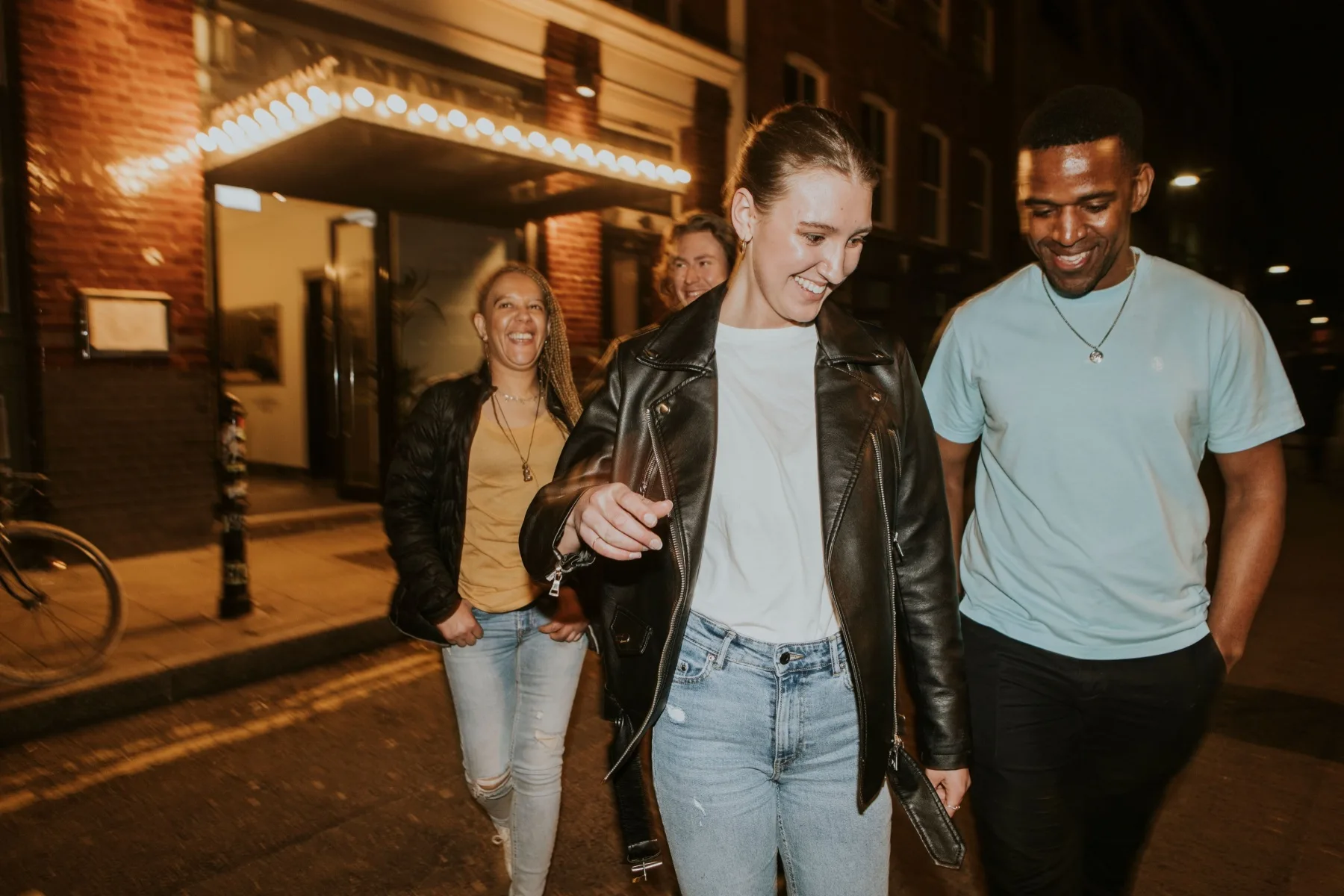
For younger people, especially, entertainment is not a choice between going out and staying in. It is usually both at the same time. A Friday night might start with mates picking a bar they spotted on TikTok. Then clips from the dance floor hit Instagram while the night is still going. By the time everyone gets home, the group chat is already full of jokes and voice notes. That mix of real life and online life is just how people hang out now.
Going Out Costs More, So People Plan More
British nightlife hasn’t vanished. But it is more calculated now. The cost of living bites harder every month, so people want a night out that actually delivers. That is why reviews and comparison tools are now baked into how everyone plans. Before you book a table, buy tickets, download an app, or choose a gaming site, you check what others have said.
Look at someone who enjoys online slots while they are out. Before the night even begins, they are usually forced to visit a comparison and review site, including the Casino.com/uk comparison site, to find the platform that gives them the best, smoothest experience later. No fumbling with a dodgy site when they should be enjoying the moment. It is just how decisions are made now. Social media runs all night long. Nobody says yes to a bar or a club without scrolling through videos, photos, and comments first.
A place can blow up fast from one viral drink or DJ clip online. But young people now want more than music and dark rooms. They want experiences like rooftop bars, escape rooms, gaming bars, food halls, and pop-up events. The kind of thing that feels brilliant while you are there and looks even better when you share it online five minutes later.
Staying In Is Actually the Plan Now
Once upon a time, staying in on a weekend needed explaining. Not anymore. For many, especially younger ones, it’s the plan they wanted, not the one they were left with. Streaming made the home a proper entertainment space, not just the pre-game before the real night out.
Social media is now the most-used media activity each month for most people. Old-school TV and radio are nowhere close. That said, live TV still delivers when it matters. Here we are talking about the big sports, the reality finales, and not forgetting the dramas that everyone watches at the same time.
That kind of shared experience just doesn’t happen with on-demand. But those moments are the exception now. The rest of the time, people want to run the show themselves. Watch when they like, skip what they like, phone always out. The second screen isn’t pulling them away; it’s part of the experience. The reactions, the group chat, the commentary. A lot of the time, that’s the bit they’re really there for.
Your Phone Is Where All of It Happens
If you think about it, the biggest change in how Britain spends its free time is not really about any one activity. What really matters is how connected everything has become. One phone handles music, films, games, event tickets, restaurant bookings, travel plans, group chats, reviews, payments, and photos from the night out. That makes everything feel instant. Bored? You know what to do: find something to watch. Want to go out? Check what is nearby. Want company? Text your mates.
Ofcom’s Online Nation report says UK adults spend around four and a half hours online every day. Young adults spend even more than that. That is a big reason why digital entertainment is not really a separate thing anymore. And that’s the bottom line: it is just part of how people live.
It Is a Mix, Not a Choice
The future of fun in Britain is not all online and not all offline. It is a blend. People still want live music, pubs, festivals, comedy nights, cinemas, restaurants, sports, and clubs. But they also want streaming, gaming, short videos, online communities, and apps that make everything easier to sort out.
For Gen Z and younger, none of this feels weird at all. A night out is something you film. A show is a never-ending debate in the chat. A game is somewhere you go to be with people. A restaurant gets packed because someone made a fifteen-second video. Britain’s free time doesn’t sit in one place. It moves between screens, venues, feeds, chats, and real-world moments. The places and platforms that work that out are the ones that’ll do well.