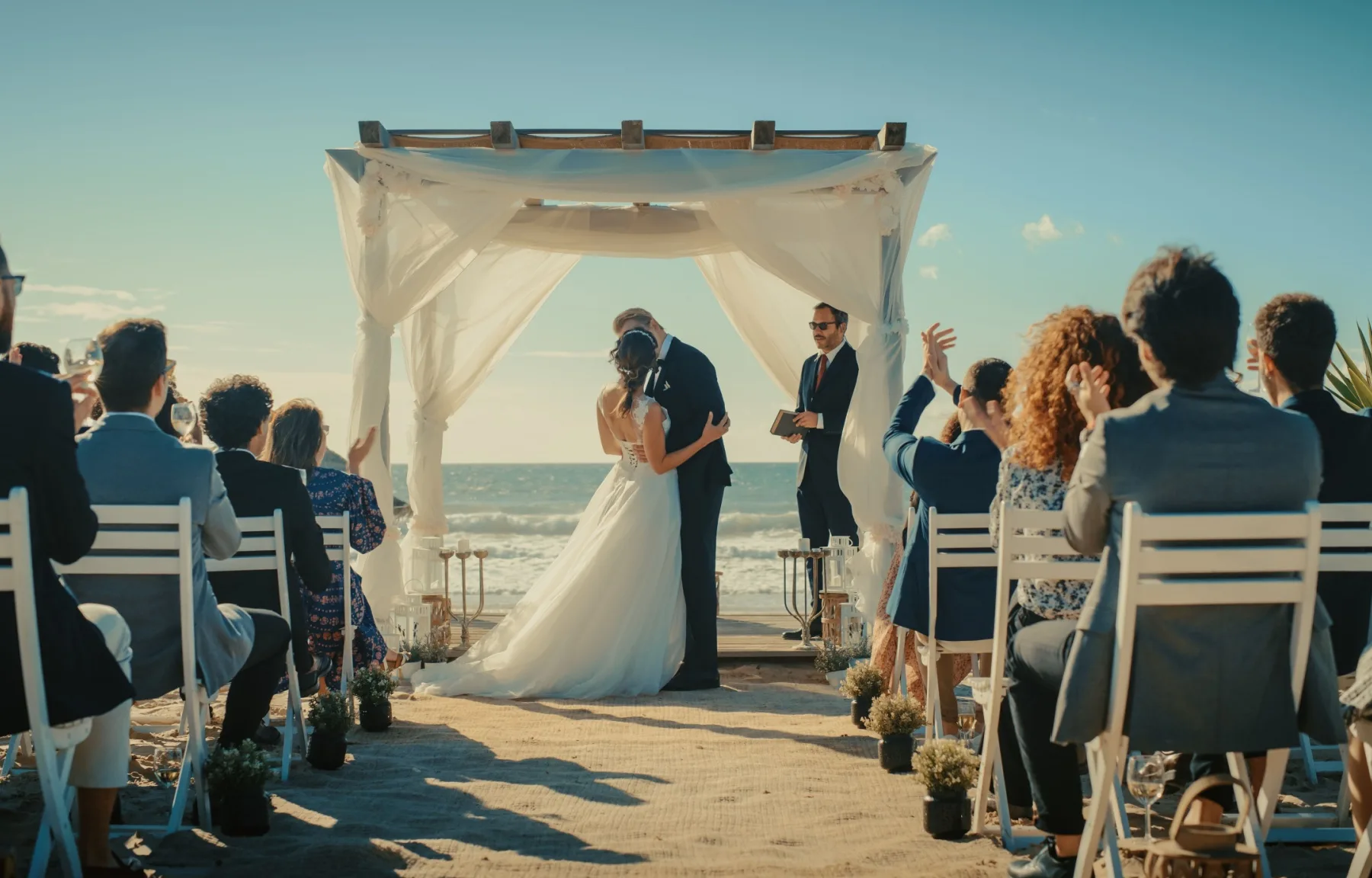
Destination weddings are all the rage, especially in the UK, where couples have to contend with the fact that booking a domestic ceremony means accepting a high likelihood of inclement weather, even in the summer. With affordable air fares and accommodation in sunnier climes, it’s even possible to justify getting married abroad if you’re working with a modest budget.
But before you rush ahead and arrange to tie the knot in gorgeous Greece or idyllic Italy, you need to get a handle on some basic admin. Without the right paperwork, your plans will be scuppered. Here’s an overview of the documentation traps to avoid.
Considering a Certificate of No Impediment (CNI)
Until you start to look into an overseas wedding, you probably won’t come across a Certificate of No Impediment (CNI). This form, issued in the UK by local registry offices, confirms that there’s no legal impediment to your intended marriage.
Both members of the couple need their own CNIs, and they must be issued by the registry office in your council borough. So, for couples that live in different places, that’s a potential misstep worth avoiding.
Likewise, a CNI has a minimum 28-day waiting period after application before the registry office issues it. So you cannot leave this to the last minute. If you do, your destination wedding might be impossible.
Some countries also do not accept CNIs older than a few months (3 months in Italy, for instance). In other words, you might have quite a narrow window in which to schedule the ceremony, and everything then hinges on getting the admin right.
Legalising Essential Documents
If you’ve got your CNI in order, you’ll also need key documents like your long-form birth certificates and original copies of any court documents relating to previous marriages and divorces if you’ve been wed in the past. More than that, you’ll have to get all of these documents legalised with an apostille.
What is an apostille, you ask? It’s a certificate of authenticity issued by the FCDO Legalisation Office confirming that a document is legitimate. You can get an apostille of marriage certificate documents issued in the UK, just as you can get the official stamp of approval on all the other types of paperwork mentioned so far.
The first trap couples can fall into is failing to get all the necessary documents apostilled. Second to that, there’s the potential of a delay in the legalisation process. Apostille processing via the FCDO takes up to 25 days if done by post. Thankfully, there are apostille agencies that can expedite this, with same-day and next-day services available if you’re in a hurry.
Considering Translations
Finally, you’ll have to contend with the demands that certain pieces of paperwork are translated into the official language of the country chosen for your overseas marriage. Again, Greece and Italy are hot on this, and you’ll have to go through a certified translator to ensure everything is up to scratch.
In other words, there are many potential pitfalls for anyone who’s thinking about getting married abroad from the UK. The earlier you get organised, the less likely a snafu will occur.