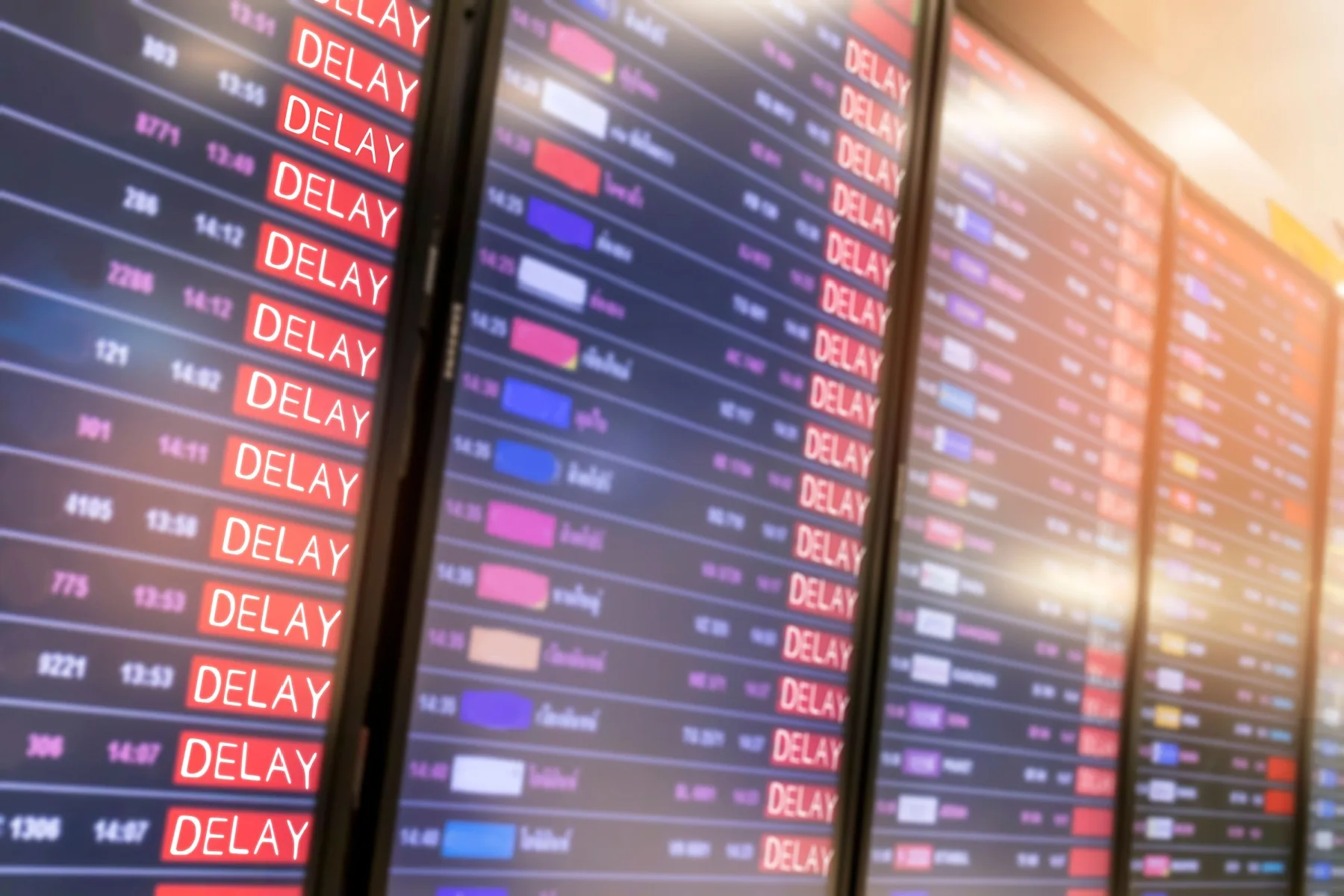
Flying can be one of the most efficient ways to travel long distances. At the same time, delays and cancellations can be deeply frustrating. You may miss connections, important meetings, family events or even entire holidays. Fortunately many countries have laws and rules to protect passengers when things go wrong. These rules can provide compensation and support when your flight is delayed or cancelled. In this article we explore how getting flight compensation works around the world and what you need to know as a traveller.
Understanding the Basics of Flight Compensation
At its core flight compensation is about giving passengers financial or practical support when an airline fails to meet its obligations. In some cases the airline may offer a refund or rebooking. In others there may be actual monetary compensation. The reason behind the delay or cancellation is important. Compensation is often available when the airline is responsible for the problem. It is less likely when the cause is outside the airline control such as extreme weather, air traffic control restrictions or political unrest.
Different regions of the world have developed their own systems. Some are more generous and clearly defined while others offer limited protection. Understanding these systems can help you know when you are entitled to compensation and how to claim it.
European Union and United Kingdom Flight Compensation Rules
One of the most comprehensive sets of regulations can be found in the European Union. These rules apply to flights departing from an EU airport and also flights arriving into the EU on an EU airline. After the United Kingdom left the EU the UK adopted similar rules for flights departing the UK. These rules provide compensation for delays of three hours or more and cancellations with less than 14 days notice unless the airline offers an acceptable alternative.
Under these regulations passengers are entitled to compensation amounts that vary by flight distance and length of delay. The rules also require airlines to provide care such as meals and refreshments during delays, hotel accommodation when overnight stays are necessary and transport between the airport and hotel. In the event of cancellation passengers have the right to a refund or rebooking on an alternative flight.
This legal framework has become a global benchmark that passenger rights organisations refer to when discussing flight compensation. Many travellers use services like AirHelp to get help with receiving flight compensation when navigating these regulations and filing claims.
United States Flight Delay and Cancellation Policies
In the United States the situation is different. There is no comprehensive federal law that requires airlines to pay monetary compensation for delays or cancellations. Instead the focus is on ensuring transparency and customer service.
If a flight is cancelled or significantly delayed passengers must be offered a refund for the unused portion of the ticket, even for non refundable fares. This refund can include the return portion of a round trip ticket if part of the itinerary no longer makes sense due to the disruption. Airlines may also rebook passengers on another flight at no extra cost.
Some airlines go beyond the minimum requirements and offer vouchers, meal credits or accommodation on a case by case basis. These are often based on airline policy rather than legal obligation. Because of this travellers in the United States are advised to check the contract of carriage of the airline they are flying. This document sets out the carrier obligations in detail and can include specific forms of compensation or support when delays occur.
Canada and the Air Passenger Protection Regulations
Canada has introduced its own set of laws known as the Air Passenger Protection Regulations. These rules apply to flights to and from Canadian airports and to flights within Canada. The regulations distinguish between problems within carrier control and those outside it. For example compensation is required for delays and cancellations that the airline could have avoided such as staffing issues or mechanical problems.
For flights that are delayed or cancelled due to reasons within airline control the regulations provide for financial compensation depending on the length of delay at arrival. Airlines must also provide standards of treatment including food and drink after certain delays, and hotel accommodation when required. If the disruption is within airline control and not related to safety the compensation amounts are set out clearly.
It is important to note that compensation is not payable for delays caused by weather or air traffic control. This is similar to other systems around the world where extraordinary circumstances excuse the airline from paying compensation.
Australia and Passenger Protections
In Australia passenger rights are governed by a mix of consumer law and airline policies. There is no statutory right to monetary compensation simply because a flight is delayed or cancelled. However airlines must not engage in misleading or deceptive conduct under general consumer protection law. This means that if an airline makes promises about flight times or services these must be honoured.
In practice airlines will often offer refunds or rebookings for cancellations and significant delays. Many also provide accommodation or meal vouchers in cases of lengthy disruption. The scope of compensation is less defined by law and more a matter of airline policy. Travellers should carefully review airline terms and conditions and ask for written confirmation of their entitlements at the airport.
Middle East Carriers and Compensation Practices
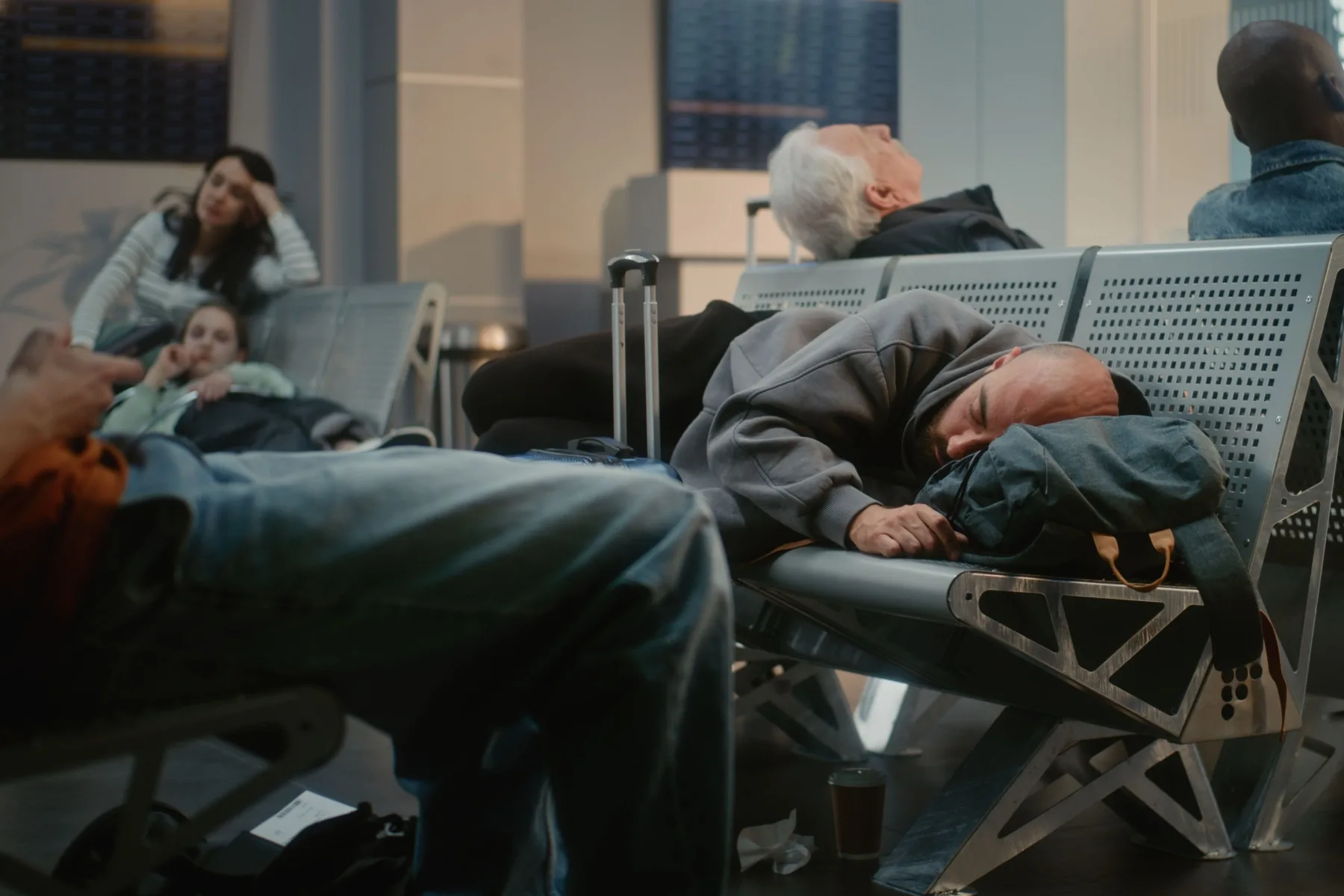
The Middle East is home to some of the largest global airlines. These carriers generally follow international norms on customer service but do not operate under a uniform regional compensation law. Many of the major airlines based in the Middle East have their own policies for handling delays and cancellations. These often include rebooking passengers on the next available flight and, depending on the situation, providing accommodation and meals.
Because there is no regional requirement similar to the EU regulations travellers should be aware that compensation is largely at the airline discretion. Frequent flyer status and the specific route can influence how the airline responds to a disruption.
Asia Pacific Airline Policies
In the Asia Pacific region there is a variety of approaches to flight compensation. Some countries like Japan and South Korea have specific rules requiring airlines to provide certain levels of assistance during delays and cancellations. For example carriers often have to provide refreshments and accommodation when necessary.
Other countries have less defined statutory protections and rely on airline policies and consumer protection laws. Airlines in the region often publish their own commitments to passengers which can include compensation for delays or cancellations. Travellers are encouraged to familiarise themselves with these policies before flying.
Latin America Passenger Rights
Latin America has a patchwork of rules depending on the country. Brazil, for example, has detailed regulations that require airlines to provide care and compensation for delays and cancellations, including food vouchers, communication support and accommodation. Other countries in the region have less prescriptive laws.
As in other parts of the world travellers should know that airline contracts of carriage and local consumer protection laws will determine what compensation is available. It is useful to keep receipts and records of expenses incurred due to delays or cancellations as these can support claims for reimbursement.
International Air Transport Association and Global Standards
The International Air Transport Association (IATA) has developed guidelines to harmonise passenger rights across its member airlines. These guidelines encourage airlines to adopt transparent practices for dealing with delays and cancellations and to provide appropriate care and compensation. However they are not legally binding.
Many airlines incorporate these principles into their contracts of carriage and service commitments. This means that even in regions without strict statutory protections travellers may find that airlines voluntarily offer compensation or support.

How to Claim Flight Compensation
The first step in claiming compensation is to understand the rules that apply to your flight. This depends on where you are flying from, where you are flying to and the airline you are using. Key factors include:
Departure and destination countries
Airline nationality
Length of delay and reason for the disruption
Applicable regional laws or airline policies
Gathering supporting documents is essential. Keep your boarding passes, booking confirmations and any written communications from the airline about the delay or cancellation. If you incur additional expenses while waiting for a new flight such as meals or accommodation ask the airline for receipts or vouchers.
You can often submit a claim directly through the airline website or by contacting customer service. Many airlines have online forms specifically for compensation claims. Some large carriers also respond to claims submitted by post or email.
Using Flight Compensation Services
Not everyone wants to navigate claims on their own. There are services that help passengers with the process of claiming compensation. These services can assess if you are entitled to compensation under the relevant laws and assist in filing the claim with the airline. One such provider is AirHelp. This type of service works on your behalf and can simplify what is otherwise a time consuming process.
Whether you handle the claim yourself or use a service the key is understanding your rights in the context of your flight. Regulations in Europe and Canada offer clear entitlements for many disruptions. In other regions the situation is defined primarily by airline policy.
Tips for Successful Claims
Be prompt. Many airlines have deadlines for submitting compensation claims.
Be thorough. Provide clear documentation and a realistic explanation of the disruption.
Be polite but persistent. Customer service staff are more likely to help if you remain respectful.
Follow up. If you do not hear back within a reasonable time follow up with the airline.
Final Thoughts
Flight delays and cancellations are an unfortunate reality of air travel. Knowing your rights and what compensation you may be entitled to can make a significant difference to your experience and financial outcome. From the robust protections in the European Union and Canada to airline policies in other parts of the world travellers have options to seek compensation or support. Taking the time to understand these rules and how to claim will leave you better prepared for your next trip.