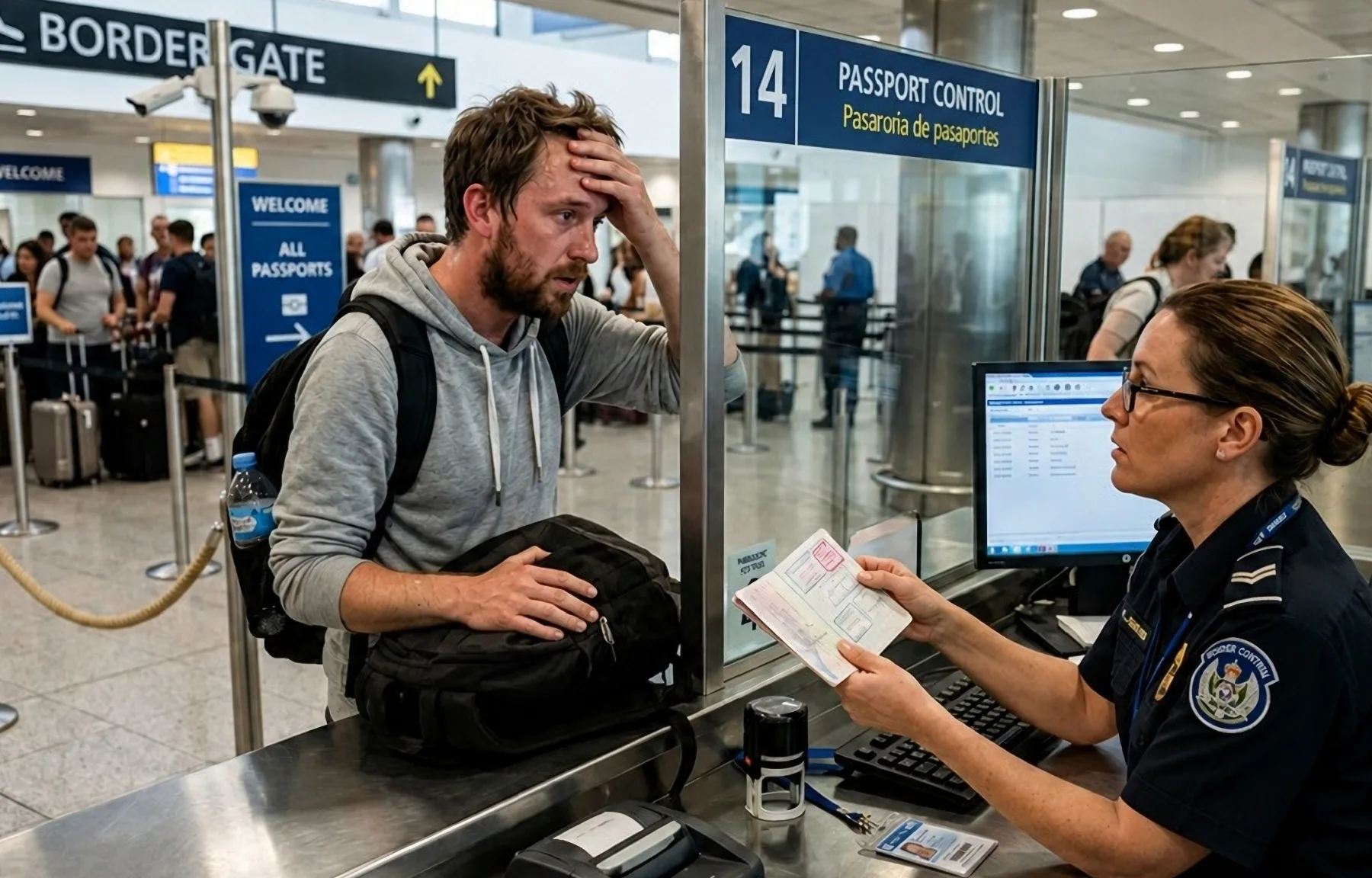
Almost everyone has had that moment at passport control where something shifts. The agent pauses. Types something. Looks up at you, then back at the screen. Your mouth goes dry even though you’ve done absolutely nothing wrong. Understanding what’s actually happening on the other side of that desk makes the whole experience considerably less awful, and in some cases keeps you in the fast lane instead of a side room.
Border agents are trained to flag inconsistencies, not guilt. The distinction matters. They’re not reading your soul; they’re pattern-matching against a checklist, and anything that breaks the expected pattern earns a second look. The most common triggers are almost embarrassingly mundane. A passport with significant wear but few stamps. A vague answer to “what’s the purpose of your visit?” A story that changes slightly when asked the same question twice. A one-way ticket with no accommodation booked. A stamp from a country that complicates things politically. None of these are crimes. All of them prompt questions.
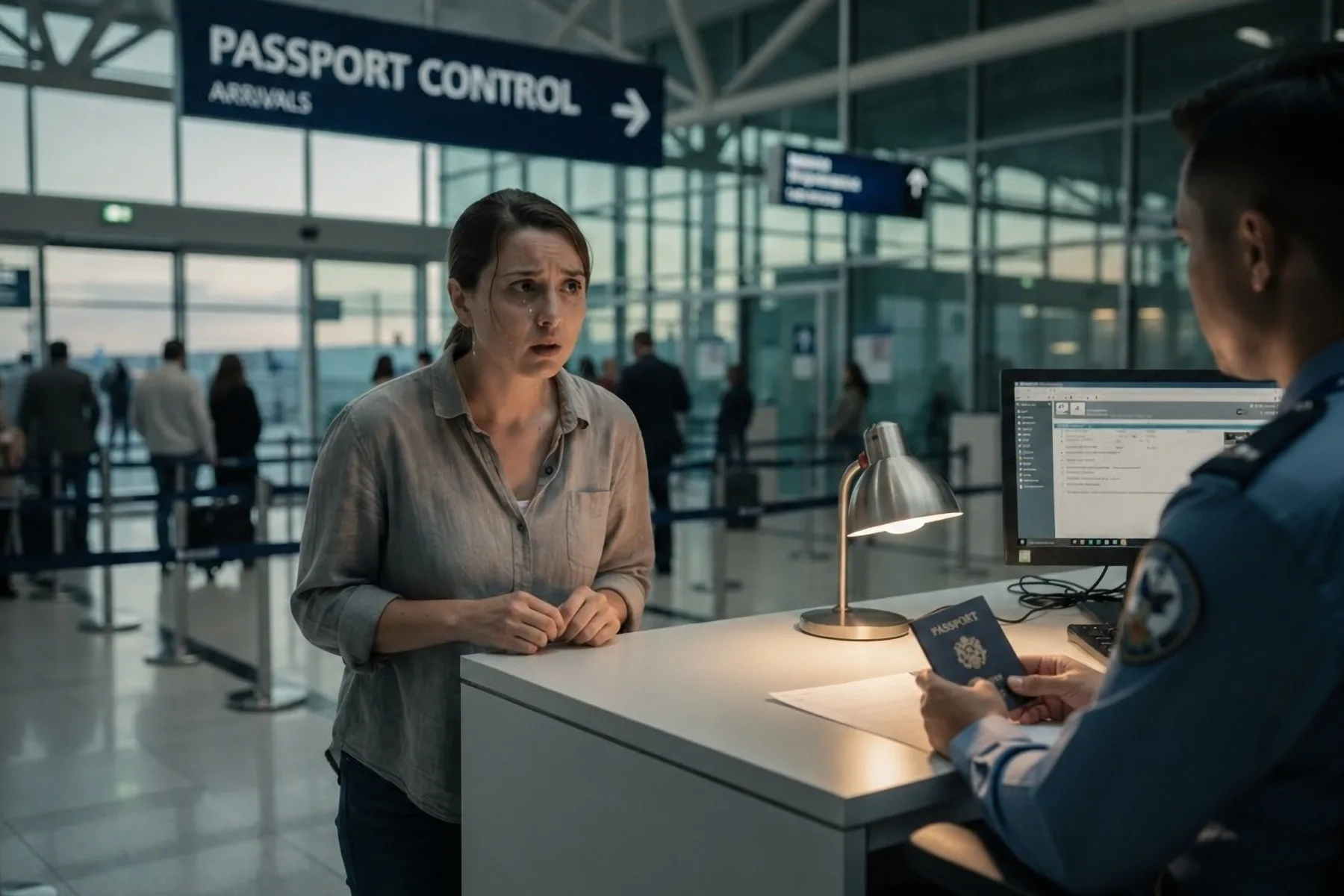
Nervousness itself is a trigger, which is the cruel irony. Agents are specifically trained to watch for microexpressions and physiological tells, the rapid blink, the swallow, the slight pause before answering. The practical fix is preparation. Know your story because it’s true, not because you’ve rehearsed it. If you’re staying at a friend’s place, know the address. If you’re backpacking without fixed plans, say so plainly. “I’m travelling for six weeks, staying in hostels, here’s my return ticket” is a complete answer. Vagueness, not honesty, is what agents are trained to probe.
Your phone and laptop are increasingly part of the picture. US Customs and Border Protection officers can request to search devices at the border without a warrant, and Border Force in the UK has similar powers under Schedule 7 of the Terrorism Act 2000. This is relatively rare for ordinary travellers, but it happens. If you’re carrying anything professionally sensitive, encrypted storage and a travel device are worth considering before you go, not after.
The queue itself affects outcomes more than people realise. Arriving at an unmanned desk that’s just opened means a fresher agent who’s less fatigued and less pattern-worn. Peak-hour queues generate pressure on agents to process quickly, which sounds good but actually increases secondary referrals because they default to the quickest risk-resolution mechanism: pull them aside and let someone else deal with it. Mid-morning arrivals on weekdays consistently move faster than Friday evenings or Sunday afternoons at major hubs.
Dress and presentation matter in a way that feels unfair but is thoroughly documented in agent training literature. This doesn’t mean wearing a suit. It means looking like your story. If you’re a business traveller, dress like one. If you say you’re on holiday, don’t arrive in a three-piece suit with no luggage. Agents are comparing what they see with what they hear, and a mismatch registers, consciously or not.
The single most useful thing you can carry is documentation that supports your stated purpose without being excessive. A hotel confirmation, a return flight, a letter from an employer if you’re on a work trip. Not a folder of 40 documents, which reads as over-preparation, almost as suspicious as none. Three or four things that tell a coherent story. That’s all it takes to walk through most border posts without breaking stride.