
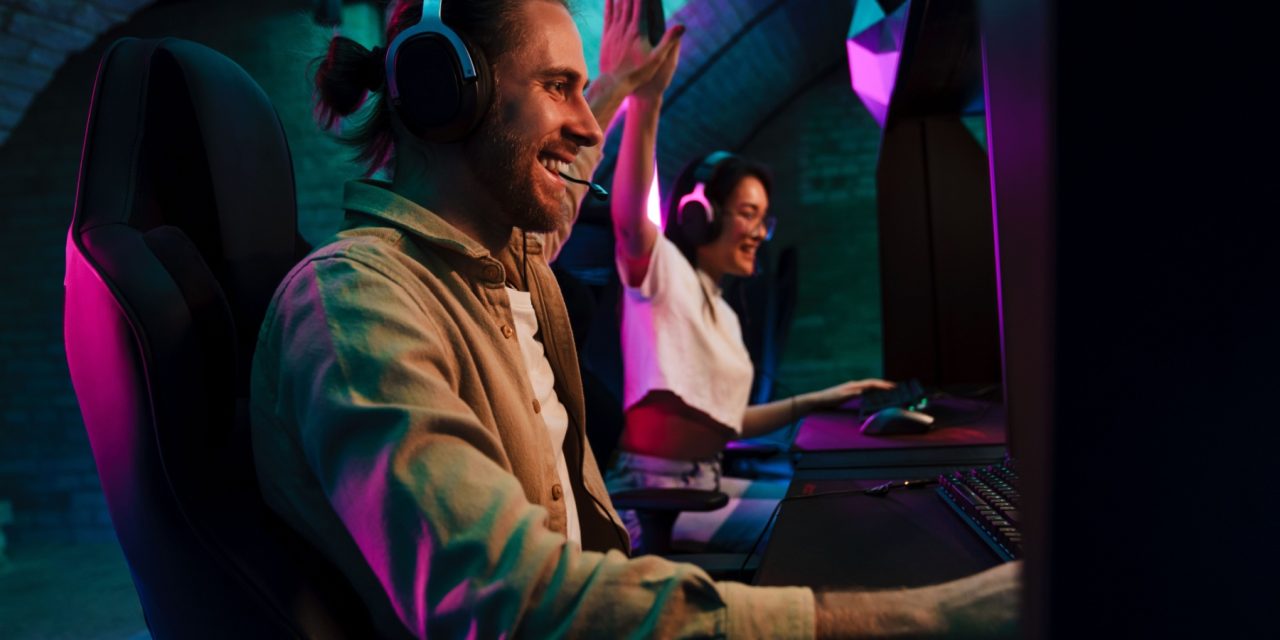
Remember when gaming was a niche hobby? That time has quickly vanished. In fact, digital gaming has become one of the most dominant forms of entertainment worldwide. It has grown into a mainstream activity enjoyed across age groups, devices, and cultures.
From console and PC games to mobile apps and online casinos, digital gaming’s popularity only continues to rise – and for good reason. This guide explores factors like accessibility and social connection that explain why digital gaming has become so popular.
Easy Access Across Devices
Accessibility is one of the biggest reasons why digital gaming has become so popular. Forget about expensive hardware or even dedicated gaming spaces. Smartphones, tablets, laptops, consoles, handhelds – they all supply instant access to thousands of games. Thanks to many titles being free to play or requiring minimal upfront cost, the barrier to entry is further lowered.
That’s not all. Cloud gaming and browser-based platforms have further expanded access. Players can jump right into games without lengthy downloads and installations being necessary. It makes digital gaming fit smoothly into everyday routines.
A Huge Variety of Experiences
There’s something for everyone when it comes to digital gaming. Do you prefer fast-paced action? A slower pace with relaxing puzzles? Strategic challenges against other players? Simple chance-based games?
Ultimately, there’s no shortage of options. This diversity keeps audiences engaged and allows you to switch between genres based on mood or time available.
The depth of choice is especially clear in online platforms. For example, online casinos perfectly showcase the variety of digital gaming. As seen at Lonkero Casino (lonkerokasino.com/fi/casino), there are thousands of titles available. Slots, tables, live dealers, and more. By offering a wide selection of games, it demonstrates how variety is key in sustaining long-term player interest.
Constant Updates and Fresh Content
Unlike traditional games of the past, digital versions no longer need to be static. That’s recognized by developers. They regularly release updates, new levels, seasonal events, and limited-time features. It’s an ongoing evolution, one which keeps games feeling fresh and gives players reasons to return.
The likes of live service models and expansions allow games to grow alongside their communities. Players don’t simply buy a game, complete it, and leave it gathering dust on their shelf. They now engage with an experience evolving over time.
Getting Social
When exploring why digital gaming has exploded in popularity, another major factor is social connection. Many games these days allow you to do at least one of the following:
- Compete or cooperate with friends.
- Join online communities.
- Communicate through in-game chat and voice features.
- Battle for a place on the leaderboard.
- Participate in shared challenges and community events.
As for the rise of social interaction and community, don’t underestimate the influence of streaming platforms and esports. These have transformed gaming into a shared experience. Players can watch others play, pick up strategies, and simply enjoy entertainment built around their passion for games.
Flexible Play Styles
Digital gaming fits a wide range of lifestyles. Some players enjoy settling in for long, immersive sessions. At the other end of the scale, others prefer short bursts of play during breaks and commutes. Mobile gaming, in particular, has expanded the audience by serving up content to casual players who might not identify as traditional gamers.
This flexibility allows digital gaming to adapt to individual schedules rather than demanding fixed time commitments. Due to this, it makes it easier to integrate into daily life.
Entertainment on Demand
At its core, digital gaming delivers instant entertainment. You can choose exactly what you want to play and when you want to play. There’s no need to rely on schedules or even physical media. Ultimately, this on-demand nature matches perfectly with modern digital habits.