
Every driver has faced the same moment. You need to replace something on the car, you compare prices, and the cheaper option looks tempting. After all, it performs the same job… doesn’t it?
Motoring is full of these decisions. Yet the road has a unique rule: shortcuts rarely stay short-term. What feels like a saving today often becomes a cost tomorrow, whether in comfort, reliability or safety. Choosing quality is less about luxury and more about understanding how small components shape every mile you drive.
The Difference You Can Actually Feel
Quality parts rarely advertise themselves loudly. Instead, they show up quietly in everyday experiences: the steering feels steadier on a motorway; the car settles faster after a sudden brake; rain becomes manageable rather than stressful.
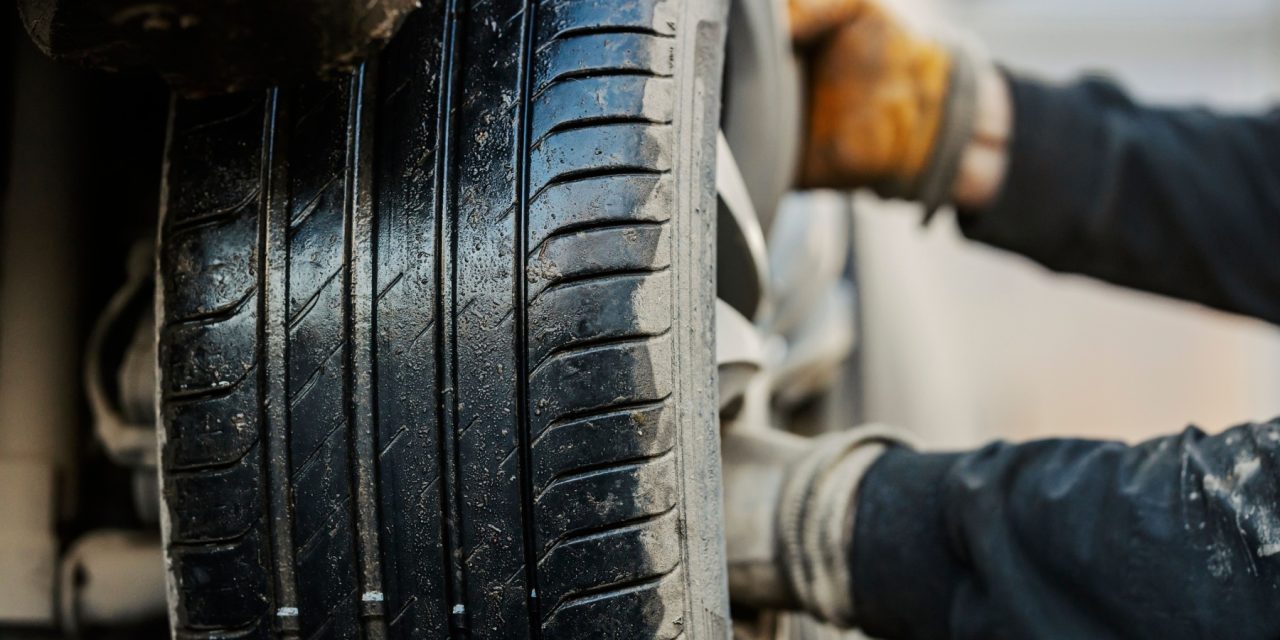
Many drivers assume these improvements come from the car itself. In reality, they often come from the contact points between machine and road. Higher-quality components are engineered using advanced materials and testing so they maintain grip, stability and responsiveness in real-world conditions rather than just ideal ones. Premium tyres, for example, are designed with specialised tread patterns and compounds that maintain contact with the road and improve control. The difference is subtle until the moment it matters.
Safety Is Where Cheap Becomes Expensive
Short-term savings tend to ignore risk. The road never does. In wet conditions, the stopping distance can decide whether you continue your journey or end it abruptly. Better-quality tyres improve grip and reduce braking distances, especially on slippery surfaces.
Independent testing has shown braking distances can be significantly shorter compared with budget alternatives.
That gap is not theoretical. It is measured in metres, reaction time and margin for error. Cheaper components often meet legal standards, but they rarely offer the buffer that keeps ordinary situations from becoming emergencies.
Choosing premium car tyres is not about prestige. It is about widening the safety margin between you and the unexpected.
The Hidden Cost of “Saving”
Lower upfront cost feels logical. Yet vehicles rarely reward that logic long term.
Higher-quality parts often:
- Last longer due to stronger materials
- Reduce fuel usage through improved efficiency
- Produce less noise and vibration
- Maintain performance across changing weather
Premium tyres can improve fuel efficiency by reducing rolling resistance and typically last longer than budget alternatives.
So the cheaper option can quietly become the more expensive one. You replace it sooner, burn more fuel, and accept lower comfort the entire time. What looked like saving money was often just delaying payment.
Confidence Changes How You Drive
Quality also changes behaviour. Drivers rarely notice this shift consciously: you stop gripping the wheel tightly in rain; you travel with fewer micro-corrections; long journeys feel less tiring.
Better grip, reduced noise and improved stability reduce mental load while driving.
And less fatigue means sharper attention, which is itself a safety advantage.
Driving confidence does not come from speed. It comes from predictability.
The Psychology of Preventative Spending
People naturally prioritise visible upgrades. Paintwork, interiors and gadgets are satisfying because they are obvious. Quality safety components are different. Their value appears only when something goes wrong. This is why short-term savings are tempting. Humans are wired to reward immediate benefit over invisible protection.
But vehicles are long-term systems. Preventative investment works the same way as good maintenance, insurance or healthy habits. You rarely celebrate them on a normal day. You appreciate them profoundly on a difficult one.
Performance Is Not Just for Enthusiasts
Performance sounds like a word reserved for track driving or sports cars. In reality, performance simply means consistency: consistent braking, consistent handling and consistent response in changing conditions.
Premium tyres offer superior traction, cornering stability and wet braking performance.
That consistency matters more during school runs and commuting than it does during spirited driving. Everyday journeys involve unpredictable surfaces, weather and traffic. Quality reduces variability, and reduced variability reduces risk.
Thinking Beyond the Purchase Price
A useful rule: evaluate car decisions by lifetime value rather than purchase cost.
Short-term view:
- What does this cost today?
Long-term view:
- How often will I replace it?
- Will it affect fuel usage?
- Will it affect comfort?
- Will it affect safety margins?
When you apply the long-term lens, quality shifts from indulgence to practicality.
Why the Road Rewards Patience
The road is an environment you never fully control. Weather changes, surfaces vary, and other drivers behave unpredictably. Because of this, the best strategy is not reaction but preparation.
Quality is preparation made tangible. It is the decision that assumes conditions will not always be perfect. Cheap choices assume nothing unusual will happen. Quality choices assume eventually something will. And over years of driving, the second assumption always proves true.