
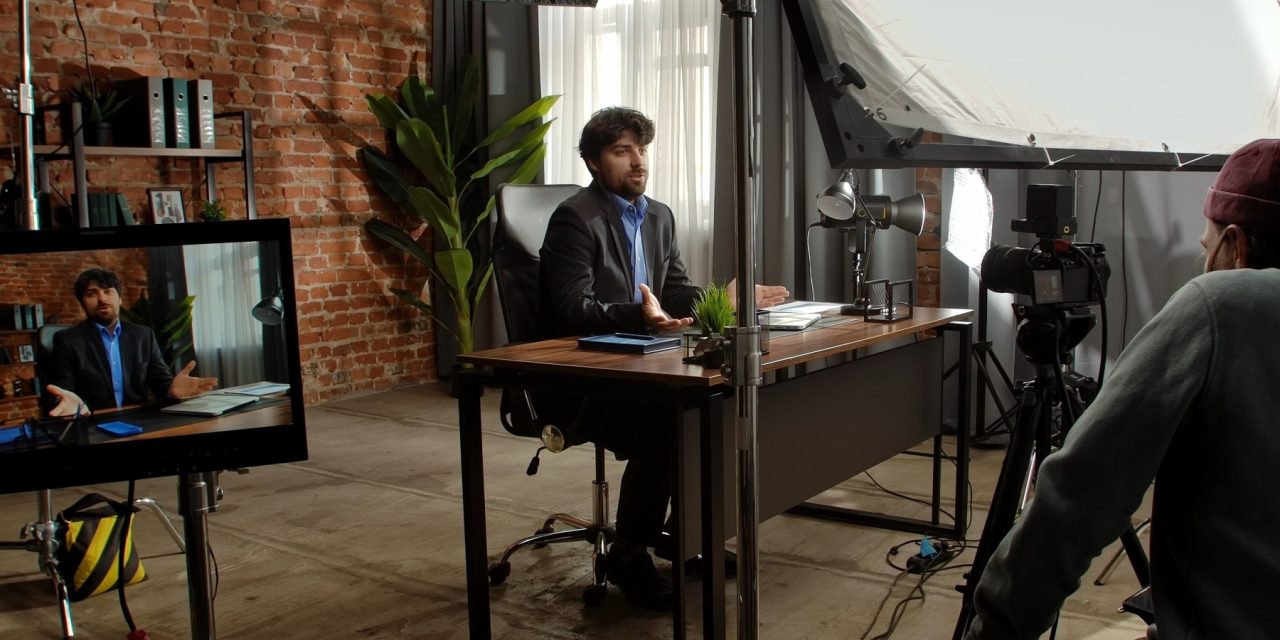
Creating a corporate video can be both exciting and overwhelming. It’s an effective way to share your brand’s message, showcase products, and connect with your audience. Whether you want to inform customers, train employees, or highlight your company culture, a well-made video can have a big impact. It lets you communicate visually, making your message more memorable.
In today’s digital age, corporate videos are essential. They not only inform but also inspire and engage. When done right, these videos can turn viewers into customers and employees into advocates. They can also boost your brand’s visibility. Here are some best practices for making your next corporate video.
Planning
A good corporate video starts with strong planning. First, define the purpose of your video. What do you want to communicate? Set clear objectives to guide your project. Know your target audience; understanding them will shape your message and style.
Write a script to make sure you cover all key points. An outline helps you organize your thoughts, stay focused, and tell a clear story. Decide on the tone that fits your brand: formal, friendly, or humorous? This will help you craft the script.
Lighting
Good lighting is crucial for video production. It sets the mood and tone of your video. Poor lighting can make your footage look unprofessional or hide important messages. Use natural light when possible, as it usually creates a flattering effect. If filming indoors, place subjects near windows or use soft lighting to create an even look.
Learn basic lighting techniques, like three-point lighting. This method uses key light, fill light, and back light to add depth. Good lighting enhances colours and details, helping viewers focus on what matters in your video.
Audio Quality
Clear audio is as important as great visuals. Good sound keeps viewers engaged and helps you convey your message. Invest in quality microphones, like lavalier or shotgun mics, for crisp audio. Avoid background noise that can distract from the main sound, and pick quiet places to shoot.
Do sound checks before filming starts. Keep audio levels consistent by adjusting as needed. Consider adding background music to set the tone, but make sure it supports rather than overwhelms the dialogue. Good audio gives your video a polished and professional feel.
B-Roll Footage
B-roll footage adds context and visual interest to your video. This extra material can show what you discuss in the main content, making it more engaging. Capture relevant scenes—like team interactions, product demos, or customer testimonials—to enrich your storytelling.
Although you may have a script, gather extra footage as well. This gives you flexibility for creative edits and alternative options in post-production. Your goal should be to keep the viewer’s attention throughout.
Engaging with Authenticity
Authenticity speaks to audiences. People appreciate genuine content that reflects your brand’s true spirit. When featuring employees, customers, or products, aim for realism. Avoid overly scripted dialogues that feel stiff or insincere.
Encourage natural interactions during interviews. This leads to genuine reactions and connections. Authenticity builds trust, which is vital in business. Viewers enjoy seeing the human side of your company, making them more likely to connect with your message.
Editing Process
The editing phase is where your video comes to life. Using good software lets you make detailed edits and smooth transitions. Set a visual style that matches your brand. Pay attention to pacing to ensure the video flows well and keeps viewers interested.
Add graphics or text at key moments to highlight important points. This helps reinforce the message and guide viewers through the story. Remember, less is often more; avoid cramming too much information into your video. Simple and clear visuals usually have a stronger impact.
Feedback and Revisions
After you finish your corporate video production, get feedback from trusted colleagues or stakeholders. Fresh perspectives can spot mistakes or suggest improvements you might miss. Constructive feedback is crucial for finalizing your project.
Be ready to make changes based on the feedback. Being flexible will help you create a better final version. Your goal is to produce a compelling and effective piece, so be open to adjustments that improve quality.
Whether your corporate video is for promotion or training, following these best practices can boost your production. Making a thoughtful, engaging video will clearly convey your message and highlight what makes your brand unique. Connecting meaningfully with your audience through careful content creation is what truly matters.