
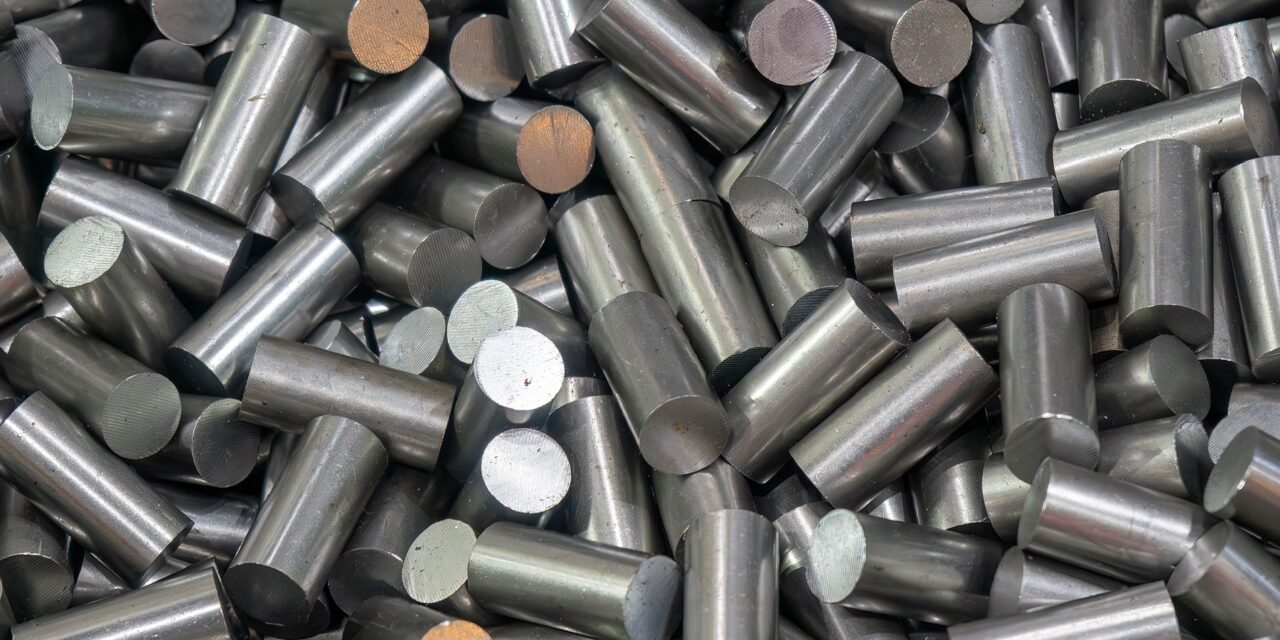
In advanced engineering, where high levels of both condition and unrelenting need are taken into consideration, materials have to be more than merely durable. They have to provide outstanding rigidity, resistance, and durability.
An alloy that has consistently performed well is the MP35N. It’s specifically designed to operate at high pressures and uses a cobalt-based alloy. Thanks to its ability to meet the demands of the aerospace industry, medical equipment, and oil and gas, MP35N is setting the bar for what could be called modern materials science.
What is MP35N?
MP35N is an alloy of nickel, cobalt, chromium, and molybdenum and is characterized by excellent mechanical characteristics and corrosion resistance.
Developed years ago for use in the aerospace and medical industries, MP35N has become an industry-standard in areas where exceptional strength, biocompatibility, and the ability to withstand harsh environments are essential. The alloy will usually consist of:
35 % cobalt ;
35 % nickel ;
20 % chromium ;
10 % molybdenum.
The MP35N, a key factor in this approach, is distinguished by its work-hardening ability and heat-treatability, which enable it to achieve ultra-high tensile strength while maintaining strong toughness. It is also biocompatible and does not become magnetic; therefore, it finds applications in specialized electronics and medicine. You can find an MP35N supplier in Europe, but you must ensure they adhere to strict compliance standards.
Key Properties of MP35N
There are several reasons MP35N has become a popular material among manufacturers. The strength of MP35N is also its versatility, with a strong mechanical, chemical, and physical set of properties:
Best strength and hardness
MP35N may be cold-worked and aged to tensile strengths greater than 250 ksi (1,725 MPa). These properties qualify it for use in sensitive load-bearing systems, such as aerospace and down-hole oil and gas equipment.
Strength is not achieved at the expense of ductility, which means that it can resist both tension and compression in high-stress environments.
Better anti-corrosive properties
Due to its high levels of chromium and molybdenum, MP35N exhibits exceptional resistance to corrosion in marine, chemical, and acidic environments, including seawater, hydrochloric acid, and sulfide-containing environments. This is especially important in the oil and gas industry, where corrosion-caused metal fatigue may result in a disastrous failure.
Excellent fatigue and stress-corrosion resistance
In contrast to numerous high-strength alloys, MP35N exhibits exceptional strength under cyclic loading and is resistant to stress corrosion cracking.
It is a desirable metal in use where it is loaded repetitively and is subject to vibrations, as in springs, fasteners, and orthopedic implants.
Non-magnetic, compatible
MM35N is virtually non-magnetic even when cold-worked, which is important to medical implants and MRI-friendly devices. Moreover, it is biocompatible-certified, which means it has no negative effects on the human body, including during operation tools and long-term implants.
Resistance to heat and wear: Heating and wear resistance
With a good melting point and excellent wear and galling resistance, MP35N performs effectively at high temperatures and under high friction. It is widely applied in jet engines, surgical drills, and industrial springs that are running at high temperatures.
Critical Industry Applications
Some applications cannot be designed without MP35N. MP35N finds applications in numerous fields, which are highly demanded:
Aerospace : Hydraulic systems, engine parts, structural fasteners ;
Orthopedic titles that are used as Orthopedic implants, Surgical instruments, wires to reinforce catheters ;
Oil and gas : Downhole, seals, valves, and springs ;
Marine : Subsea connectors, pressure housings, and parts of pumps ;
Electronics : Medical equipment and components of magnetically transparent design and low magnetic permeability to MRI radiation.
Conclusion
MP35N is the gold standard of high-performance alloy. It is considered an excellent material, offering high strength, corrosion, and fatigue resistance, as well as biocompatibility. It is primarily used to manufacture mission-critical components for which failure is unacceptable.
Whether in the rugged drilling of oil wells, the precise level of a medical implant, or the high-heat conditions of a jet engine, MP35N continues to redefine engineering possibilities.
For manufacturers and engineers who strive to put the newest technologies to their ultimate test, the decision to select MP35N is apt. It means investing in reliability, safety, long-term performance, and values that are becoming increasingly priceless in the modern technological environment.