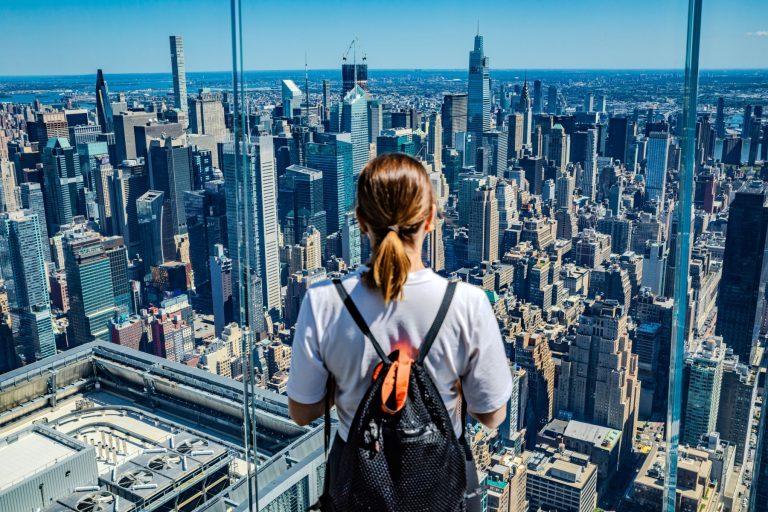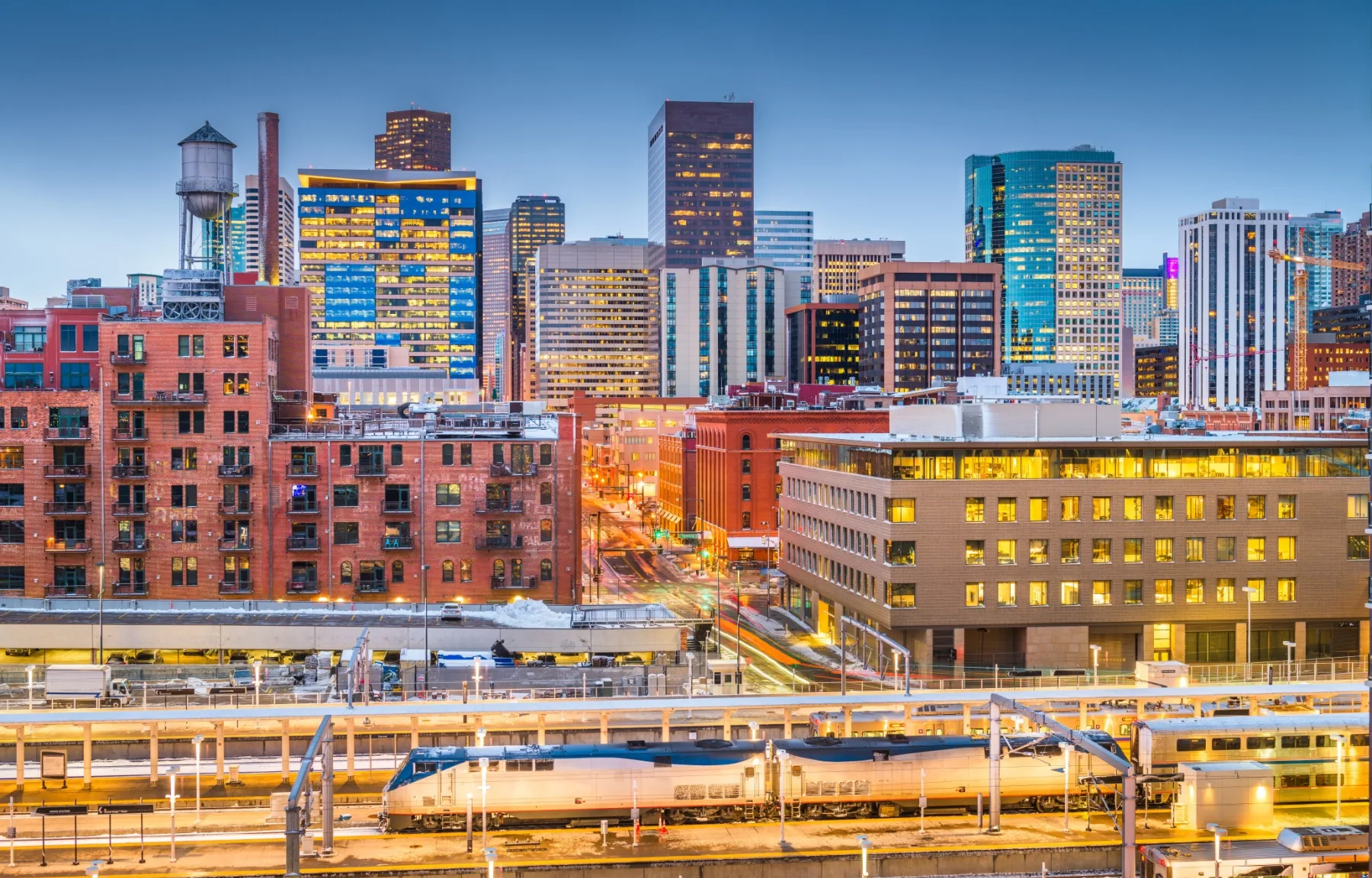
Denver is a good city. It has decent food, a walkable downtown, a respectable music scene, and the kind of easy energy that comes from a place that has been growing fast enough to keep surprising itself. It is also, for many of the people who fly into it, not really the point. Colorado is a state that uses its cities as entry points. The mountains, the high desert, the canyon country, the ski towns that turn into hiking towns in summer, the stretches of empty highway where the landscape does something unexpected every few miles – that is what most people come for, and none of it is in Denver.
The Mountains Begin Less Than an Hour From the Airport
This is the fact that recalibrates everything for first-time visitors to Colorado. The transition from city to genuine mountain terrain happens fast. Interstate 70 west from Denver climbs into the Rockies within thirty minutes of leaving the urban sprawl, and the options that open up from there are substantial. A Denver rental car is not a convenience on a Colorado trip – it is the trip. Without one, the state effectively does not exist beyond the city limits.
The question is not whether to drive but where. Colorado’s mountain geography divides roughly into three zones that reward different kinds of travellers. The Front Range corridor – Boulder, Fort Collins, Colorado Springs – offers accessible outdoor activity within easy reach of Denver. The central mountains – Breckenridge, Vail, Aspen, Telluride – are the iconic ski and summer resort towns. The Western Slope and San Juan mountains are less visited, more dramatic, and arguably more rewarding for anyone willing to cover the extra distance.
Summer Colorado Is a Different Destination from Winter Colorado
The ski season version of Colorado is well understood by international visitors. The summer version is less so, which makes it one of the better-value and less crowded versions of the state available. Hiking trails that run beneath ski lifts in winter become some of the most accessible high-altitude walking in North America between June and September. Wildflower season, which peaks in July at higher elevations, produces landscapes that justify the journey on their own terms.
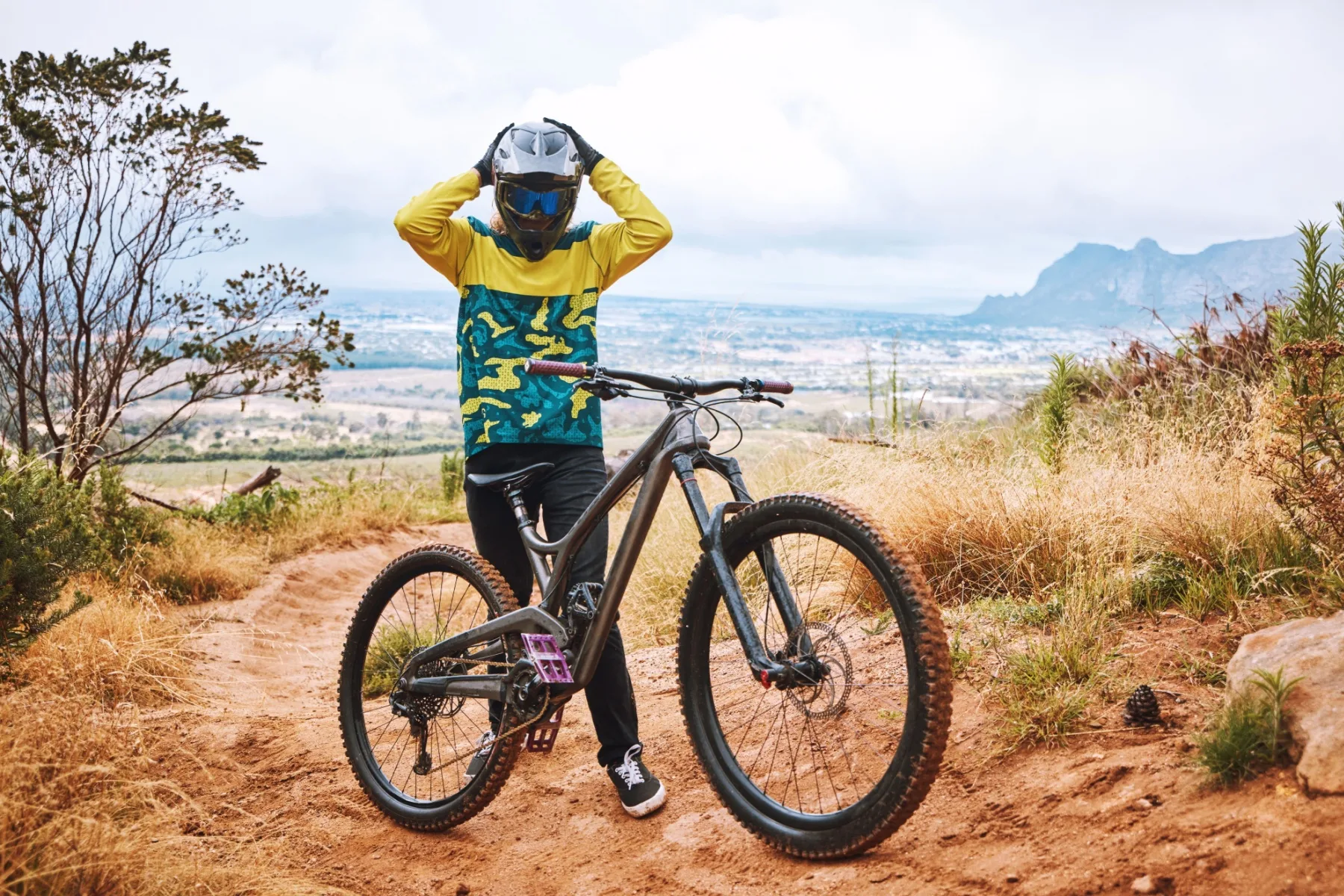
The Colorado Tourism Office documents the range of summer activity well, from white-water rafting on the Arkansas River to mountain biking in Crested Butte to the hot springs towns that scatter across the western part of the state. The common thread is that most of it requires getting off the main highways and onto the roads that connect smaller towns – which means having your own transport and being willing to use it.
The Food and Drink Scene Has Caught Up With the Landscape
Colorado’s culinary reputation has improved considerably over the past decade, and the state now has a food and drink culture that is worth engaging with as part of a trip rather than treating as an afterthought. Denver’s restaurant scene is genuinely strong, but the more interesting eating happens in the towns that have developed their own identity around local produce, craft brewing, and a particular kind of mountain-town cooking that borrows from the Southwest without being entirely of it.
Telluride, Durango, and Salida all have food scenes that exceed what their size would suggest. The craft brewery culture that Colorado helped pioneer in the 1990s has matured into something with genuine range – from the large-scale operations in Denver and Fort Collins to small-batch producers in mountain towns that are worth visiting specifically. The Colorado Brewers Guild maps the state’s brewing landscape for anyone who wants to build a loose itinerary around it.
The Quieter Parts of Colorado Reward the Extra Miles
Rocky Mountain National Park draws large crowds and deserves its reputation – the elk, the tundra above treeline, and the views from Trail Ridge Road are all genuinely impressive. But Colorado has a secondary tier of wild land that most visitors never reach, and it is often more rewarding precisely because it is less managed and less visited.
The San Luis Valley in the south, with its vast flat floor ringed by mountains and the improbable presence of Great Sand Dunes National Park, is unlike anything else in the state. The Dolores River canyon in the southwest is serious canyon country that bears comparison with parts of Utah. The West Elk Wilderness and the Grand Mesa, the largest flat-topped mountain in the world, are accessible by road and almost entirely overlooked by visitors who stick to the main mountain towns.
Colorado Works Best When the Itinerary Has Room to Breathe
The instinct when faced with a state this large and varied is to plan too much. Colorado is a place that rewards the decision to stay longer in fewer places rather than moving quickly through many. A week in the San Juan Mountains – based in Durango or Ouray, driving the Million Dollar Highway, hiking above timberline, eating well in the evening – is a more satisfying experience than covering the same ground in two days as part of a five-stop tour.
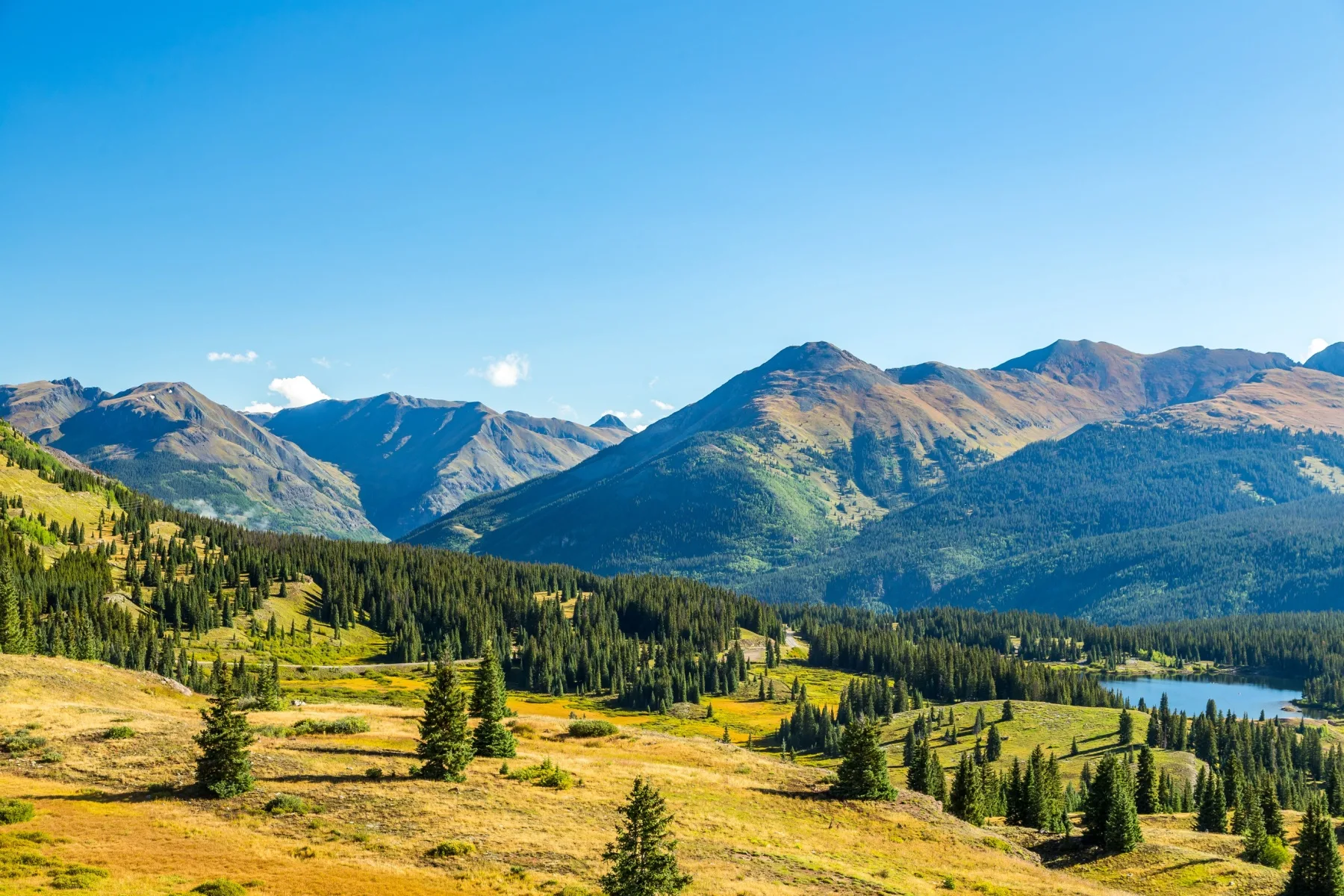
The state is also genuinely seasonal in ways that affect what is possible and enjoyable. High passes close in winter, some roads are only fully accessible in summer, and the difference in temperature between Denver and a 12,000-foot summit on the same day can be thirty degrees or more. Checking conditions for specific routes before setting out is worth building into the habit of any Colorado road trip.