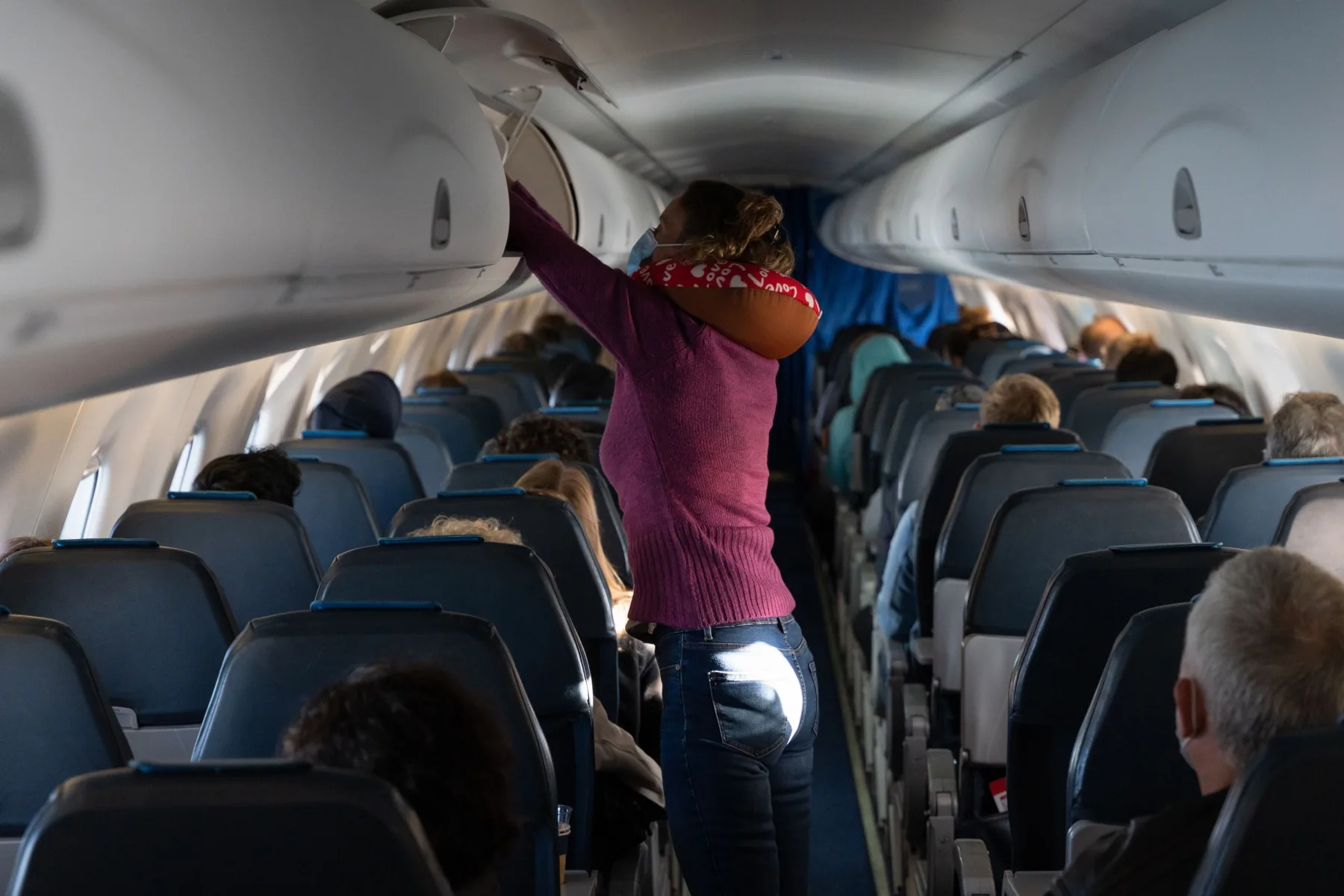
There was a time, not very long ago, when buying a cheap flight meant you got on the plane and sat somewhere on it. The seat was included. This was considered normal. That time is over.
Budget airlines have spent the past decade systematically converting your seat, a thing that was always there and always going to be there, into a paid product. The model has shifted to unbundling every possible amenity. The base fare now buys you exactly one thing: a seat. Everything else, including bringing a bag larger than a small backpack, costs extra. The seat itself, though, costs extra too. The base fare is now really just the right to board the aircraft and stand in the aisle looking for somewhere to put yourself.
The economics are brutal and brilliant. Fees for seating options like aisle, window, and extra legroom incur minimal costs, because the physical seat exists whether passengers pay a premium for it or get it assigned for free at the gate. As a result, nearly every dollar generated by the seat map goes straight to an airline’s bottom line. At United, seat selection fees reached $1.3 billion in 2023, exceeding its baggage fee revenue for the first time. This highlights the airline industry’s growing emphasis on monetising cabin space.
The industry calls this ancillary revenue. Airlines worldwide generated a record $157 billion in ancillary revenue in 2025, up from $148.4 billion in 2024, and dramatically higher than $67.4 billion in 2016. Seat fees are a major slice of that. Frontier Airlines generated ancillary revenue representing 62% of total airline revenue in 2024, breaking the 60% threshold for the first time. At that point you’re no longer buying a flight. You’re buying a fee bundle with a flight attached.
The last holdout just fell
The symbolic death knell came in January. Southwest Airlines transitioned from open to assigned seating on January 27, 2026. Southwest had operated open seating since its founding in 1971, making it a genuine outlier in the industry, and a useful competitive pressure on everyone else. The introduction of assigned seating, including new extra legroom and preferred seating products, was described by the company as one of the most significant initiatives ever undertaken, requiring fleet-wide cabin retrofits, new technology capabilities, redesigned policies and procedures, and extensive employee training. That’s a lot of effort to charge you more to sit somewhere specific.
Southwest expected to make $1.5 billion annually from assigned seating. That tells you everything about why this happened.
The European squeeze
On this side of the Atlantic, the situation is no better. Across Ryanair, Wizz Air, and easyJet, the only bag you can bring for free in 2026 is a small personal item that must fit entirely under the seat in front of you. Seat selection fees start low on paper. Ryanair charges from £2 to choose a seat, while Wizz Air starts at £4, though good luck finding them that cheap. The price changes based on the flight, when you book, and the type of seat. Wizz Air states that seat reservations can cost as much as £60.
The booking flows are designed to make skipping seat selection feel like a mistake. No airlines force you to select and pay for a seat, but their booking processes often make it confusing enough to think you have to. This is part of a wider ecosystem of ancillary fees known as drip pricing. The UK’s Digital Markets, Competition and Consumers Act now technically prohibits drip pricing in advertising, but additional costs relating to designated seats, priority boarding and baggage do not currently need to be included in the cost of any air fare displayed in an invitation to purchase, because they are classified as optional. Which is precisely the problem.
Regulators in Europe are pushing back. The European Parliament’s Transport Committee has proposed guaranteeing free cabin luggage consisting of a personal item and a small trolley bag, and banning fees for check-in, child seating, and booking corrections. The legislative process is not yet complete, and the final outcome will depend on interinstitutional negotiations. Do not hold your breath.
The family problem
The worst of it lands on people travelling with children. Airlines have been accused of seating young children far away from their parents unless a surcharge is paid, despite the UK’s Civil Aviation Authority guidelines stating that airlines’ seat allocation procedures should aim to seat children close to their parents. Ryanair does make one exception: it is mandatory for an adult travelling with children under 12 to reserve a seat, but a maximum of four children per adult on the same booking will receive a reserved seat free of charge. Small mercies.
What to actually do about it
The honest answer is that you have three options: pay up, game the system, or book smarter.
On Ryanair and Wizz Air, there is a known tactic called check-in chicken. As you get closer to the check-in deadline, what remains available tends to be the better seats. The hack hinges on the simple concept of waiting as long as you can to check in. Ryanair allows free random seat allocation during check-in between 24 and 2 hours before departure. On easyJet, which tends not to split couples or groups deliberately, checking in early is more likely to keep you together.
If you travel regularly and are booking European routes, Ryanair Prime offers perks including free seat selection on 12 flights, monthly access to exclusive discounts, and travel insurance, at approximately $105 per year. Run the numbers against what you’d spend on seat fees individually before dismissing it.
For anyone comparing total fares: always calculate the all-in fare, base plus bags plus seat, before assuming the cheapest-looking ticket is the best deal. Use Google Flights or Skyscanner’s total price view, and factor in seat fees before you click buy. A £19 Ryanair fare with a £25 seat and a £35 bag is a £79 flight. A £65 easyJet fare with a free bag and no mandatory seat selection is sometimes the cheaper ticket. The headline number stopped meaning anything years ago.