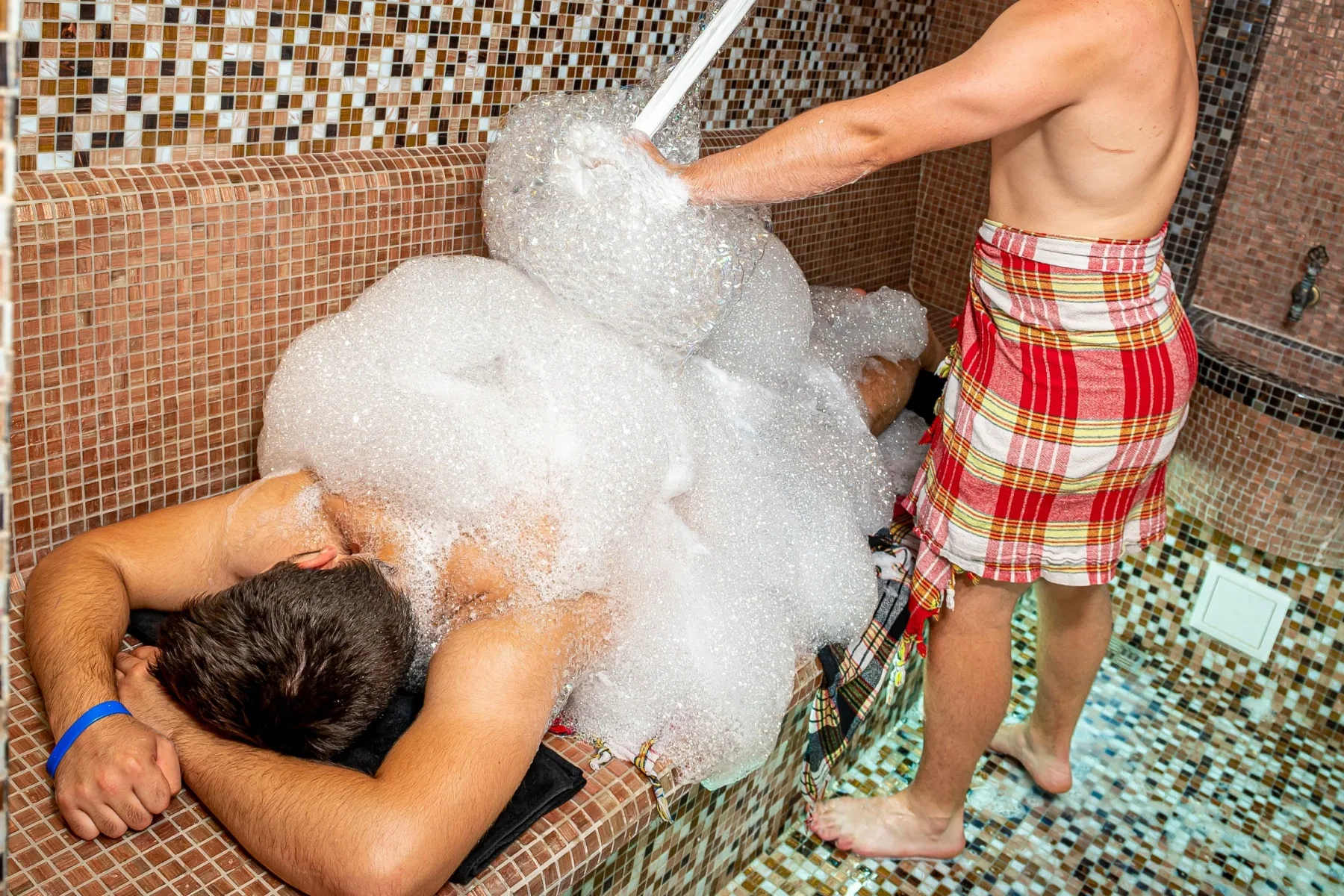
Image credit: Emily Marie Wilson / Shutterstock.com
Most foreigners walk into their first hammam with one of two problems: they strip completely naked and horrify everyone, or they cling to their bra like it’s a life vest. Both are wrong. The Turkish hammam has been running for centuries with a specific, unwritten code. It is not complicated, but it helps to know it before you’re standing on a marble slab in a cloud of steam wondering what the woman next to you is definitely judging you for.
What you actually wear
The short version: not nothing, not everything. Contrary to what films and fantasy suggest, bathers in a hammam are not naked. Most people wear undergarments or a swimsuit, while some choose to go topless. Everyone, though, wraps up in a peştamal, the classic thin cotton bathing towel used to keep things modest.
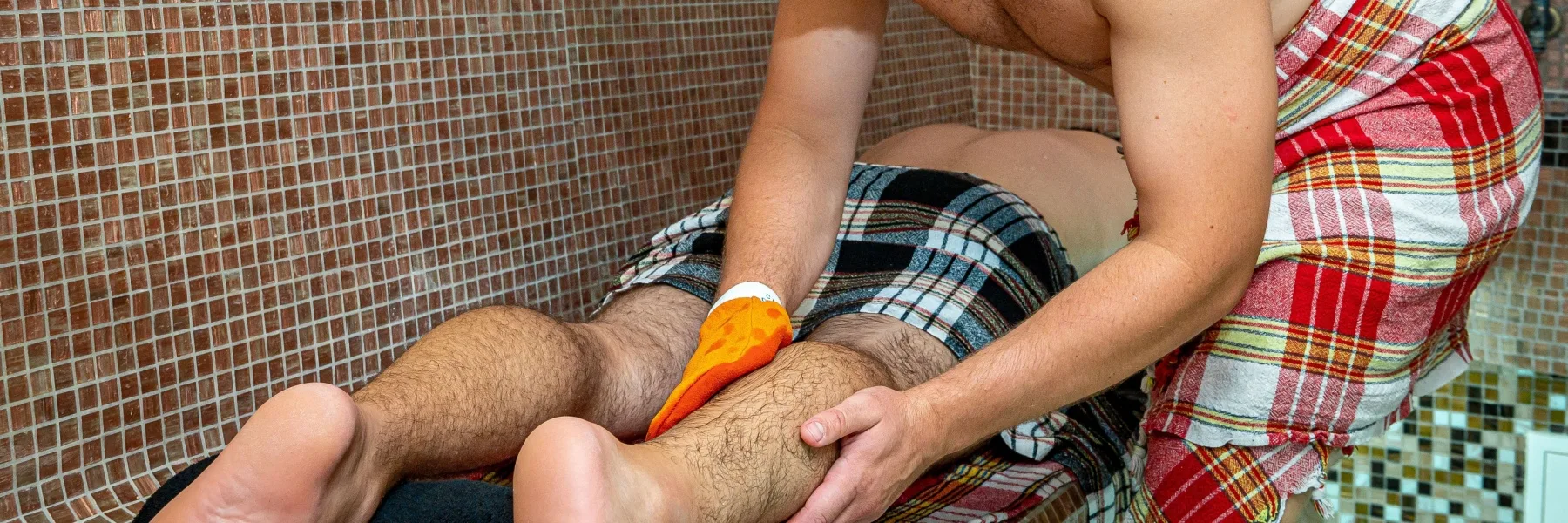
For men, the usual approach is to strip down underneath and wear the peştamal as a wrap at all times. Flashing is frowned upon. For women, it is slightly more variable: women mostly keep their underwear on underneath the bath wrap, but often not their bra. In more traditional hammams, norms can vary. Some women bathe without tops in gender-segregated settings, while others prefer full coverage. The safest read: watch what the local women around you are doing, and match that. Dark swimsuits or underwear do not become transparent when wet, which is the practical reason most people choose them.
The single most common mistake made by Western women is the bra. In gender-separated facilities, women go topless. Wearing a bra signals unfamiliarity with the culture and makes you stand out more, not less. Leave it in the locker.
Gender rules and who scrubs whom
Some hammams are gender-separated with distinct male and female sections. Others operate on a schedule where men and women use the same facility at different times. In practice, traditional neighbourhood hammams usually separate men and women, either by having different sections or different time slots.
Visitors are scrubbed by the tellak (men’s attendant) or the natır (female attendant) of the matching gender. In real, historical hammams, the rule of thumb is same-sex scrubbers. Tourist-facing places sometimes blur this, but in any traditionally run hammam, you will not have a male attendant working on a female guest. If you are booking a mixed-gender or hotel spa hammam, confirm beforehand. Many hotel spas and a few historic hammams offer mixed-gender or couples’ sessions where you can share the experience in the same room.
What foreigners get wrong
Phones come in at the top. Speak softly, keep your phone in the locker, and avoid taking photos inside the bathing areas, even if you see others doing it. The fact that another tourist is doing it does not make it acceptable. The other thing is pace. A hammam is not a spa treatment with a 45-minute slot and a checkout time. Allow at least 60 to 90 minutes from arrival to leaving, longer if you add a massage. The scrub and foam section itself takes around 30 minutes. Turning up in a rush and acting impatient at the marble slab is the fastest way to mark yourself out.
The scrub, done with a kese mitt, is vigorous enough to surprise people who weren’t expecting it. If you have sensitive skin or conditions like eczema, mention it at reception and to your attendant. They can soften the pressure or focus on the foam and massage rather than heavy peeling. Nobody will think less of you for saying something. They will think considerably less of you for yelping.
What it costs and where to go
The tourist-facing historic hammams in Istanbul are now priced accordingly. Çemberlitaş Hamamı offers traditional packages at approximately €68, while Cağaloğlu Hamamı provides services ranging from €90 to €400 depending on the chosen treatment. In pounds, that is roughly £58 to £340. Luxury hammam experiences run from around £13 to £31 for entry-level high-end packages. If you want something more local and less theatrical, a neighbourhood hammam will cost a fraction of that, though expect less English spoken and zero hand-holding.
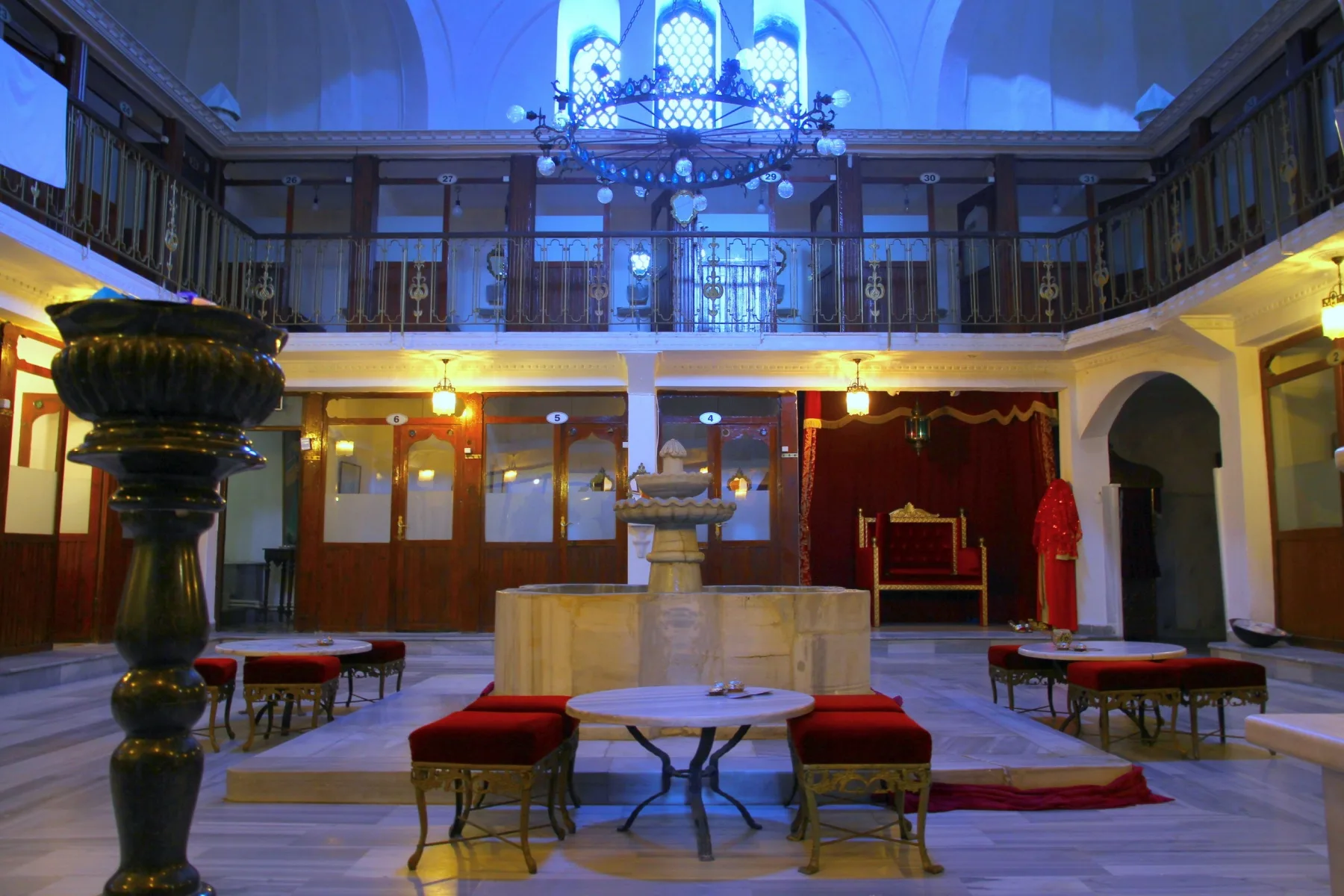
Cagaloglu Traditional Turkish Bath in Istanbul – Image credit: Yasemin Olgunoz Berber / Shutterstock.com
Tipping the attendant who served you is standard, usually around 10 to 15 percent of the total fee. Pay it in cash, directly to the person. Tipping at reception and hoping it filters through is not the same thing.
One practical note: drink water before and after. The heat is dehydrating, especially if you are not used to saunas or steam rooms. And do not go straight from a heavy lunch. You will regret it on the göbektaşı, the central heated marble platform, in ways that are difficult to describe politely.