Foodie Delights!
The best food markets around the world
The best way to a man’s heart is apparently through his stomach, we all know that’s nonsense, and there are more effective routes to a man’s affection. But the stomach is certainly the best way to find the heart of any place you’re visiting around the world. Amazing regional cuisine can always be found in the local food markets, and in many cases (not all) they provide some of the most authentic culinary experiences. Let us take you on a foodie trip around the world and discover some of the best markets to explore while you’re there.
Europe
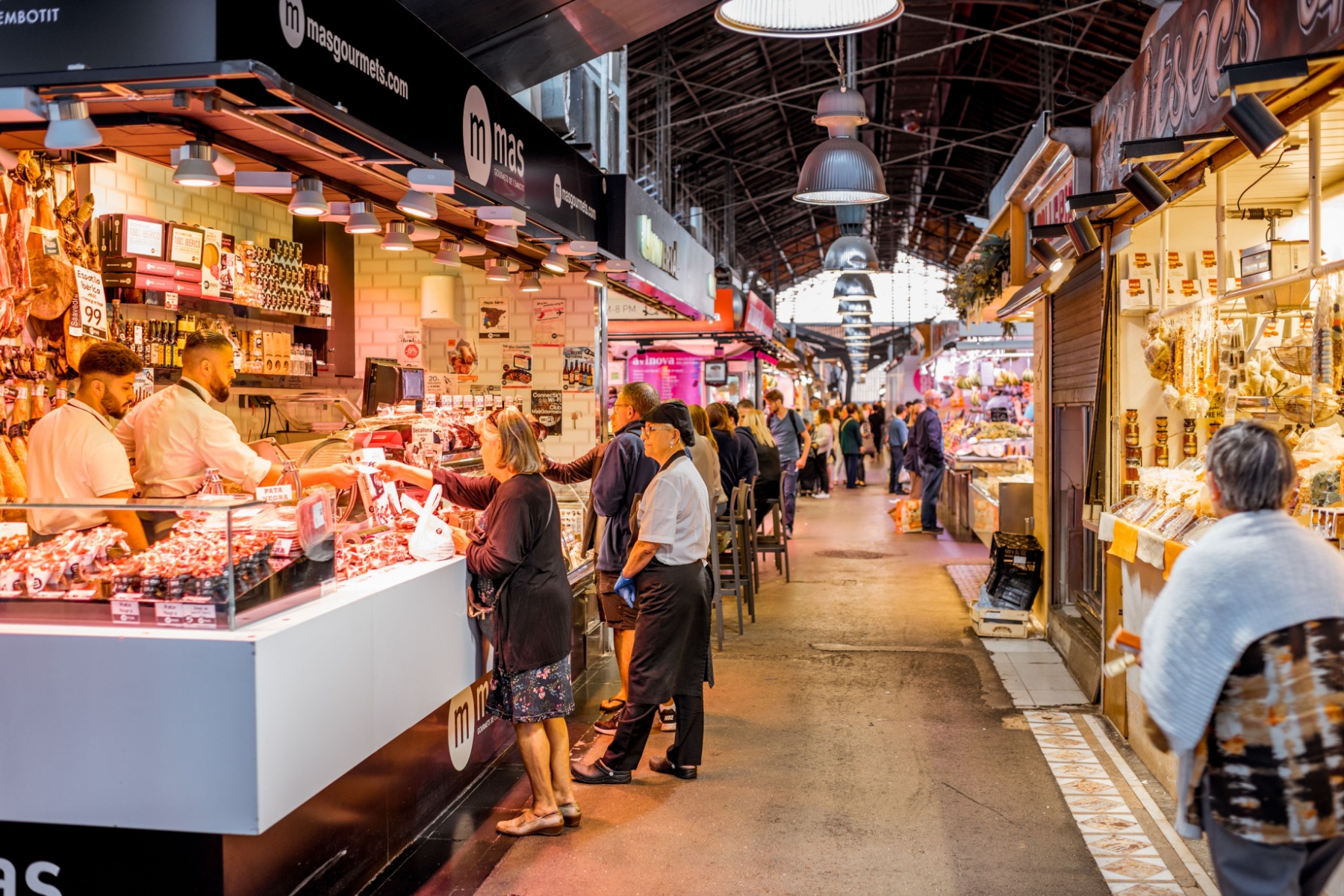
Image Credit: RossHelen / Shutterstock.com
La Boqueria – Barcelona, Spain
The famous one, and for good reason. Off La Rambla, a riot of colour and produce: Iberian ham legs, fresh seafood on ice, tropical fruit, olives in every preparation. Yes, it’s touristy (It’s an absolute nightmare at peak times) parts of it are more performance than market now. But go early morning, walk past the front stalls to the back, and you’ll find the real thing. The Fruit is amazing, but watch out for typical tourist rip-offs (Yeah, I’m talking about you, Mrs fruit vendor, who put the mango pip in the bottom of the dish to make the serving look bigger). The seafood counters are worth the queue.
Best for: First-time Barcelona visitors, seafood lovers. Go before 10am.
Alternative: Mercat de Sant Antoni – locals’ favourite, recently renovated (Very quiet and tourist free when I was there)
Mercado de San Miguel – Madrid, Spain
Gorgeous iron structure near Plaza Mayor, now more food hall than traditional market. Small plates and wine at communal tables. Vermouth culture. Croquetas. It’s expensive for what it is and firmly on the tourist trail, but it’s also genuinely enjoyable, it’s the kind of place you go for a long lunch that becomes afternoon that becomes evening.
Best for: Tapas grazing, date venues, people who prefer curated experiences.
Alternative: Mercado de Maravillas, vast, local, no tourists.


Image credit: fokke baarssen – Shutterstock.com
Mercato Centrale – Florence, Italy
Ground floor: traditional market with butchers, cheesemongers, produce stalls. First floor: modern food court with quality vendors. The combination works surprisingly well. Lampredotto (tripe sandwich) from the ground floor stalls is a Florentine essential. The fresh pasta upstairs is excellent. Go hungry.
Best for: Combining authentic and accessible, lunch near San Lorenzo.
Naschmarkt – Vienna, Austria
Vienna’s main market, stretching over a kilometre. Ottoman influences meet Viennese tradition with spices, olives, Middle Eastern grocers alongside classical European produce. The restaurant stalls do excellent brunches. Saturday has a flea market extension. It’s open, airy, and feels like Vienna in a way the tourist centre doesn’t.
Best for: Saturday mornings, multicultural food, people-watching.


Marché Bastille – Paris, France
Twice-weekly street market that’s resolutely local. Parisians buying weekly provisions: cheese, bread, rotisserie chickens, seasonal produce. No food court, no seating, you’re there to shop or to wander and observe. It’s authentic in a way that feels increasingly rare.
Best for: Seeing how actual Parisians eat. Thursday and Sunday mornings.
Alternative: Marché d’Aligre – covered and open-air, daily.
ASIA
Tsukiji Outer Market – Tokyo, Japan
The famous wholesale fish market moved to Toyosu, but the outer market remains – a labyrinth of stalls selling seafood, knives, kitchen equipment, tamagoyaki (sweet omelette), and fresh sushi. It’s touristy now but still excellent. The atmosphere is unique. The food quality is high. Go early.
Best for: Sushi breakfast, knife shopping, understanding Japanese food culture.
Alternative: Toyosu for the tuna auctions (requires booking), Ameya-Yokochō in Ueno for local chaos.


image credit: Cocos.Bounty Shutterstock.com
Or Tor Kor Market – Bangkok, Thailand
Considered Thailand’s highest-quality market. Spotlessly clean, beautifully arranged produce, exceptional prepared food stalls. This is where Bangkok’s food-obsessed come for ingredients. The fruit is extraordinary. The ready-to-eat Thai dishes are reliable and excellent. Less atmospheric than Chatuchak, more about actual quality.
Best for: Food quality, tropical fruit, lunch near Chatuchak Weekend Market.
Alternative: Khlong Toei – Bangkok’s largest wet market, intense but authentic.
Gwangjang Market – Seoul, South Korea
Korea’s oldest market, famous for its food alley. Bindaetteok (mung bean pancakes), mayak gimbap (addictive mini rice rolls), raw beef, knife-cut noodles. The ajummas (market women) are part of the experience – firm instructions on where to sit and what to order. Lunch here is a highlight of any Seoul trip.
Best for: Korean street food immersion, lunchtime chaos.


Ben Thanh Market – Ho Chi Minh City, Vietnam
Yes, it’s touristy. Yes, you’ll need to bargain. But the food section in the back is excellent. Phở, bánh mì, che (sweet soups), Vietnamese coffee. It’s a good introduction to Vietnamese food diversity. The surrounding street food stalls at night are where things get really good.
Best for: Vietnamese food overview, especially if short on time.
Alternative: Bến Thành Night Market (outside), or Bình Tây Market in Cholon for authentic Chinese-Vietnamese experience.

The Americas
Mercado de la Merced – Mexico City, Mexico
The largest market in the Americas. Overwhelming, chaotic, deeply Mexican. Produce sections, butchers, juice vendors, food stalls serving everything from tacos to moles. It’s not tourist-friendly, navigation is confusing, the scale is disorienting, but it’s the real thing.
Best for: Experiencing Mexican food culture at scale. Go with a guide or a lot of patience.
Alternative: Mercado de San Juan – smaller, higher-end, more accessible.


La Feria de Mataderos – Buenos Aires, Argentina
Sunday market in a working-class neighbourhood, far from tourist Buenos Aires. Gaucho culture, folk dancing, artisan stalls, and most importantly: asado. Whole animals over fire pits, choripán (chorizo sandwiches), empanadas. It’s a day trip experience, go for the afternoon and stay for the evening atmosphere.
Best for: Authentic Argentine asado, folk culture, Sundays.
Pike Place Market – Seattle, USA
The flying fish are a tourist gimmick, but beneath that, Pike Place is a genuine working market. Excellent seafood, local produce, the original Starbucks (if you care), and a rabbit warren of lower levels most visitors miss. The chowder is good. The smoked salmon is better.
Best for: Pacific Northwest seafood, farmers’ market produce.

Elsewhere in the world

Souq Waqif – Doha, Qatar
Restored traditional market with spice sellers, perfume shops, falcon vendors (yes, really), and restaurants serving Gulf and Yemeni cuisine. It’s as much about atmosphere as food, the evening call to prayer, the shisha cafes, the sense of old Arabia (even if it’s partly reconstructed).
Best for: Evening wandering, spices, understanding Qatar beyond the skyscrapers.
Queen Victoria Market – Melbourne, Australia
Melbourne’s soul, open since 1878. Tuesday and Thursday nights have street food markets. Weekend mornings have the full produce experience. The deli hall has exceptional European goods. The dim sims are a Melbourne institution.
Best for: Melbourne food culture, night market atmosphere (summer).


image credit: Gerrit Vermeulen – flickr.com
Neighbourgoods Market – Johannesburg/Cape Town, South Africa
Saturday morning markets in formerly industrial spaces. Artisan food, local producers, excellent coffee, crowds of young South Africans. They’re more ‘food market’ than traditional market, but they capture contemporary South African urban food culture perfectly.
Best for: Saturday brunch, modern South African cuisine.
MARKET TIPS
- Go hungry. You can’t properly experience a market on a full stomach.
- Go early. Most markets are at their best in the morning, fresher produce, calmer atmosphere, locals rather than tourists.
- Bring cash. Many vendors don’t take cards.
- Watch before buying. See what locals order. Follow the queues.
- Ask questions. Market vendors usually love their products and will tell you how to use things.
- Don’t eat at the first stall. Walk the whole market, then return to what looked best.