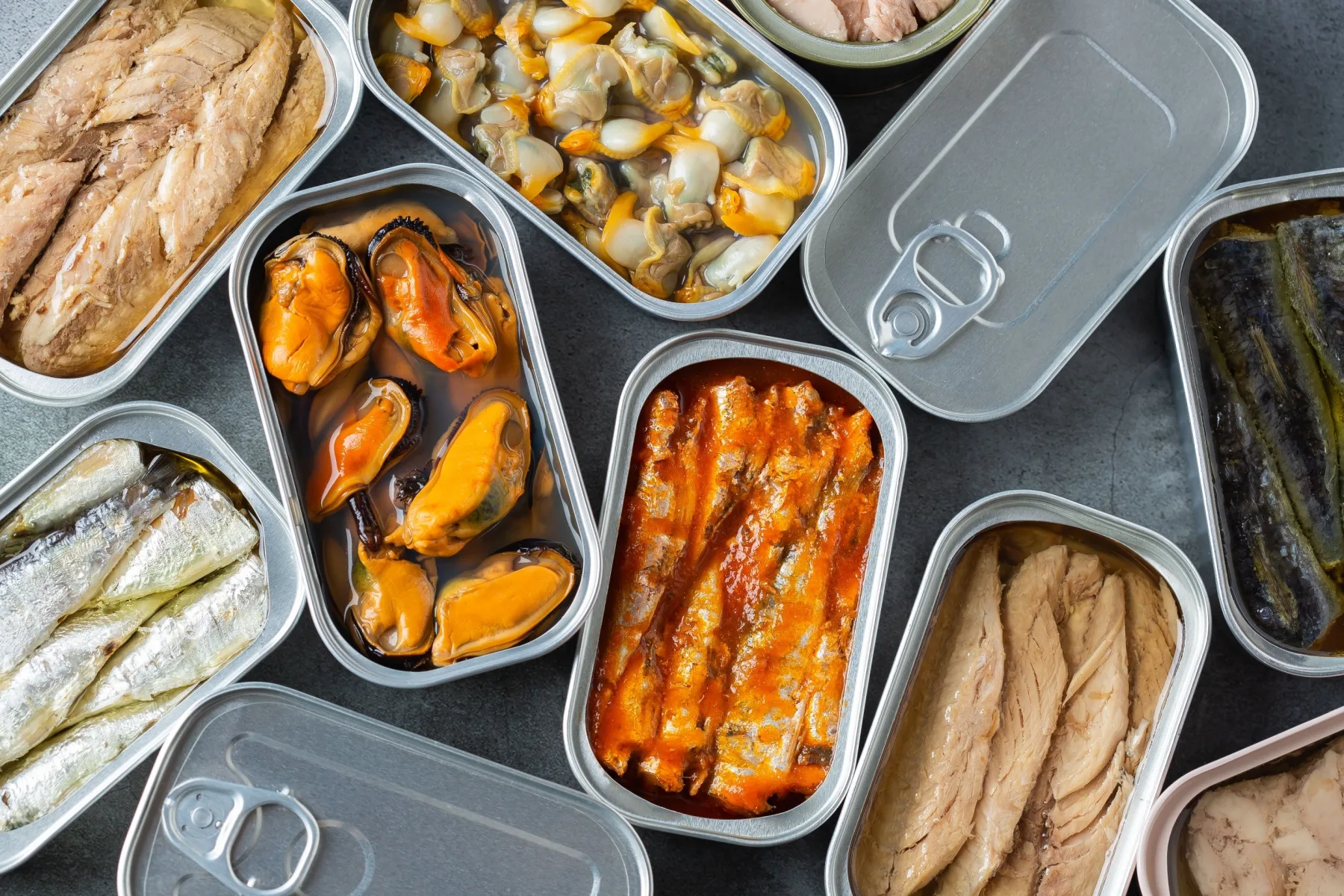
There is a particular kind of cultural whiplash in watching something you used to eat with dry crackers during a lean month become a status food. Tinned fish has done exactly that. Traditional varieties like tuna, sardines, anchovies, and mackerel have long been a staple of casual eating, but the category has expanded hard into premium and gourmet territory: octopus, mussels, smoked salmon, hand-packed clams. The tins look gorgeous, the sourcing stories are immaculate, and the prices would make your nan spit out her John West.
How We Got Here
Two things drove this simultaneously, which is unusual. Economic anxiety accelerated demand for affordable, shelf-stable proteins, with searches for budget-friendly options like Nuri’s Portuguese sardines rising sharply. At the same time, social media transformed tinned fish from a basic pantry item to a premium food choice through enhanced presentation and communication about sourcing and preparation. The result is a category that somehow works as both recession food and dinner party flex, occasionally at the same time.
Seacuterie boards, charcuterie-inspired spreads featuring premium tinned fish, crackers, and gourmet cheeses, started appearing everywhere, alongside restaurant happy hours built around tinned fish and wine pairings. I had my first one at a bar in Lisbon a couple of years ago: three tins, some pickles, cheap wine, and a view of the Tagus. It cost about the same as a pint in London, and it was better than half the restaurants I’d been to that week.
The hashtag #tinnedfish has over 91 million views, with influencers showcasing gourmet seacuterie boards: sardines paired with labneh, pickles, and sourdough. Whether you find this inspiring or insufferable probably depends on how much time you spend on TikTok.
The Premium End Is Real
Cynicism is reasonable, but some of this stuff is genuinely excellent. Ortiz, the Spanish producer, has spent over a century earning its reputation among chefs and home cooks for quality tinned fish. Founded in 1891, it has stayed true to fishing with respect for the sea and preparing seafood with uncompromising care. They only fish when tuna weigh 30kg or less to give the most tender fillets, and all fish is caught on rod and line before being processed by hand. You can pick up a tin at The Fish Society from around £6 to £9. Worth it.
On the Portuguese side, José Gourmet is a Portuguese brand specialising in conservas that pays fair trade prices for sustainably caught fish in Spain and Portugal, with products renowned for quality and flavour. Sardines in butter run around £7.95 a tin, small sardines in olive oil from £6.20, available through UK specialist Fishtins. The packaging, illustrated by designer Luis Mendonça, is the sort of thing people keep on their shelves after the fish is gone.
For British product, Sea Sisters is a British artisanal brand based in Dorset, founded with the vision of reviving the tradition of domestic fish canning in the UK. They do Mount’s Bay Sardines, Brixham Cuttlefish, Lyme Bay Mussels, and Brixham Bay Mackerel, all hand-prepared. Fishtins.co.uk stocks them alongside Cornish hake, Welsh cockles, and Norfolk whelks. Prices sit between £6 and £10 a tin depending on species.
What Actually Tastes Different
The honest gap between supermarket and premium is real, not marketing. What makes quality tinned fish worth the money is the way time transforms it. Unlike most food, it doesn’t fade, it deepens. The oils mellow, the flavours marry, and after a few months the fish becomes more luxurious and complex. A tin of mass-market sardines in sunflower oil and a tin of hand-packed sardines in Galician olive oil are not the same food. The second one you eat with bread and wine. The first one you eat standing over the sink at midnight, which is also fine, but different.
The mass market still dominates at 84.62% of global tinned fish sales, while the premium segment is advancing at over 8% annually. So most people are still buying John West. The difference is there is now a serious alternative that didn’t really exist in UK shops a decade ago.
Where to Buy in the UK
Sous Chef (souschef.co.uk) stocks Ortiz, José Gourmet, and a solid selection of Iberian conservas. Fishtins.co.uk is the most comprehensive specialist, covering British, Spanish, and Portuguese producers with honest tasting notes. Rockfish (therockfish.co.uk) handles British-landed fish packed in small Spanish canneries. For a starting point, a £6 to £8 tin of sardines or mackerel in extra virgin olive oil is where the quality jump is most obvious. Spend above £12 and you’re into octopus, razor clams, and ventresca tuna belly, which are excellent if you want them and unnecessary if you don’t.
The recession meal framing still holds at the cheap end. The premium framing holds at the expensive end. Somewhere in the middle, between a £7 tin and a decent glass of white, is just a very good thing to eat.