Most homeowners picture something specific. A shaded patio for summer evenings, a structured garden that finally gives the front yard some personality, or a full backyard overhaul with water features and low-voltage lighting. The vision is usually vivid. Getting there is the hard part.
It’s rarely as simple as picking plants and laying pavers. The real process involves balancing creative intent with practical constraints, things like drainage, soil composition, local climate patterns, and how much upkeep a homeowner is actually willing to do. Professional Landscape Designers handle that translation, applying design principles, site-specific knowledge, and hands-on project coordination to move a concept from a kitchen-table conversation to a finished outdoor space. Knowing how that process unfolds helps homeowners collaborate more effectively and avoid the frustration of mismatched expectations.
The Discovery Phase Comes First
No sketches get drawn until the designer understands who the homeowner is and how they actually use their yard. That means a real conversation, not a quick form. Lifestyle habits, aesthetic preferences, how much the budget can realistically stretch, and what the space needs to do day-to-day all factor into the design process.
The questions get specific. Do you host often? Kids, dogs, or both? Someone who travels for work three weeks a month has no business having a high-maintenance perennial garden, no matter how much they love the look of one. Good designers ask the uncomfortable budget questions early, too, because redesigning a plan after the fact wastes everyone’s time.
Site assessment runs parallel to all of this work. Sun exposure, soil quality, existing drainage patterns, and how the outdoor area connects to the home’s interior are all evaluated. These aren’t secondary considerations. They drive the design.
Translating Ideas Into a Design Plan
With a clear brief and a solid read on the site, the actual design work starts. That usually means scaled drawings first, then digital renderings that show how the finished space will look and function together.
3D visualization tools have changed this stage considerably. A homeowner might say they want an “open” backyard, but “open” means different things to different people. Seeing a rendered version of minimal planting, a cleared lawn, and a decluttered hardscape helps everyone get on the same page before any money is spent.
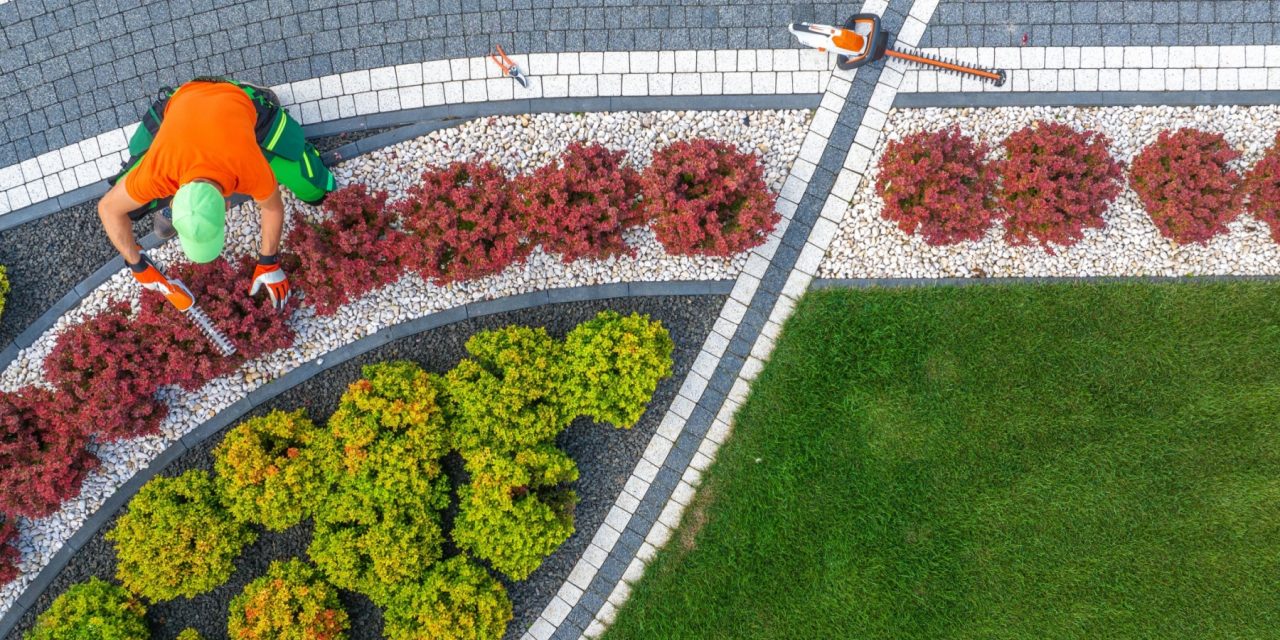
The plan itself works in layers. Hardscape comes first: patios, pathways, and retaining walls. Then, the softscape, the trees, shrubs, and ground cover that soften the structure. Irrigation, drainage, and lighting round it out. Each layer depends on the one beneath it, and the order of installation is just as important as what gets installed.
Budgeting and Material Selection
Here’s the thing: most homeowners don’t realize until they’re already deep into the process that a beautiful design that blows the budget on day one isn’t strong. Experienced designers build cost into the planning from the start, not as an afterthought once the drawings are complete.
Material choice drives a significant portion of the cost. Natural stone reads beautifully, but runs considerably higher per square foot than concrete pavers; plant size matters, too. A specimen tree costs many times more than the same species purchased when younger. Designers with established supplier relationships often find ways to achieve the desired look without hitting a price ceiling.
When the full scope genuinely exceeds what’s available right now, phased installation is a practical path. Structural work first, then grading, drainage, foundational hardscape, planting, and lighting in a later phase. The long-term vision stays intact; the spending gets spread out.
Managing Installation and Contractors
The coordination aspect of this work is often underestimated. A lot of homeowners assume installation just happens after the plan is finalized. In reality, it involves scheduling and managing multiple trades, sometimes simultaneously.
Grading and drainage require excavation crews. Masonry needs its own specialists. Irrigation installation is licensed work in most states. A designer managing all those moving parts keeps the project on schedule and holds each trade accountable to the overall plan.
The real value shows up in the details. A patio poured two inches too high relative to the door threshold creates a drainage problem that usually means tearing out work that was just completed. Designers who stay present during installation catch those issues before they become expensive fixes. Most people overlook this part of the role entirely, which is a mistake.
Aftercare and Long-Term Maintenance
Installation day is not the finish line; it’s the beginning of the maintenance phase. Plants need care during their establishment period. Irrigation systems need seasonal calibration. Hardscape surfaces may need sealing or spot repairs over time.
Many designers do a walkthrough after the project wraps, guiding the homeowner through what the space needs and when. Some firms offer ongoing maintenance contracts; others hand off documentation and connect clients with local services. Either way, a well-built outdoor space is designed with maintenance reality in mind from the beginning. Choosing regionally appropriate plants suited to the actual soil conditions isn’t just a nice-to-have. It’s what determines whether the space still looks good five years from now.
From Concept to Completion
The process is methodical, but it’s also collaborative. But it’s also collaborative in a way that makes the outcome genuinely different depending on how involved the homeowner is.
Stay engaged, ask questions, and push back when something doesn’t feel right. Treat the designer as a working partner, not just someone executing a brief. When that dynamic exists, the finished space feels like it actually belongs to the people who live there. That’s the difference between a yard that looks designed and one that feels lived-in.