When we pack our bags for an international destination, we typically focus on the tangible preparation: mapping out landmarks, booking accommodations, and memorizing survival phrases in the local language.
Yet, any seasoned traveller knows the modern irony of global exploration. You can fly thousands of miles to immerse yourself in a completely foreign environment, only to end up trapped in a sterile tourist bubble. We dine at English-friendly restaurants, navigate via silent phone applications, and take photos of locals from a distance.
The greatest barrier to authentic travel isn’t a lack of logistics or fluency; it is the vulnerability required to genuinely engage. If you want to shatter that invisible wall and build immediate, heartwarming bonds with the communities you visit, the most transformative tool you can pack isn’t a translation guide. It is your own voice. Taking professional singing lessons before or during your journey fundamentally shifts you from a passive spectator to an active cultural participant.
When words fail, music takes over
Language barriers can make even the most adventurous travellers feel disconnected. While becoming fluent in a local language can take years, music offers a more immediate way to build meaningful connections across cultures.
As the renowned poet and educator Henry Wadsworth Longfellow once observed:
“Music is the universal language of mankind.”
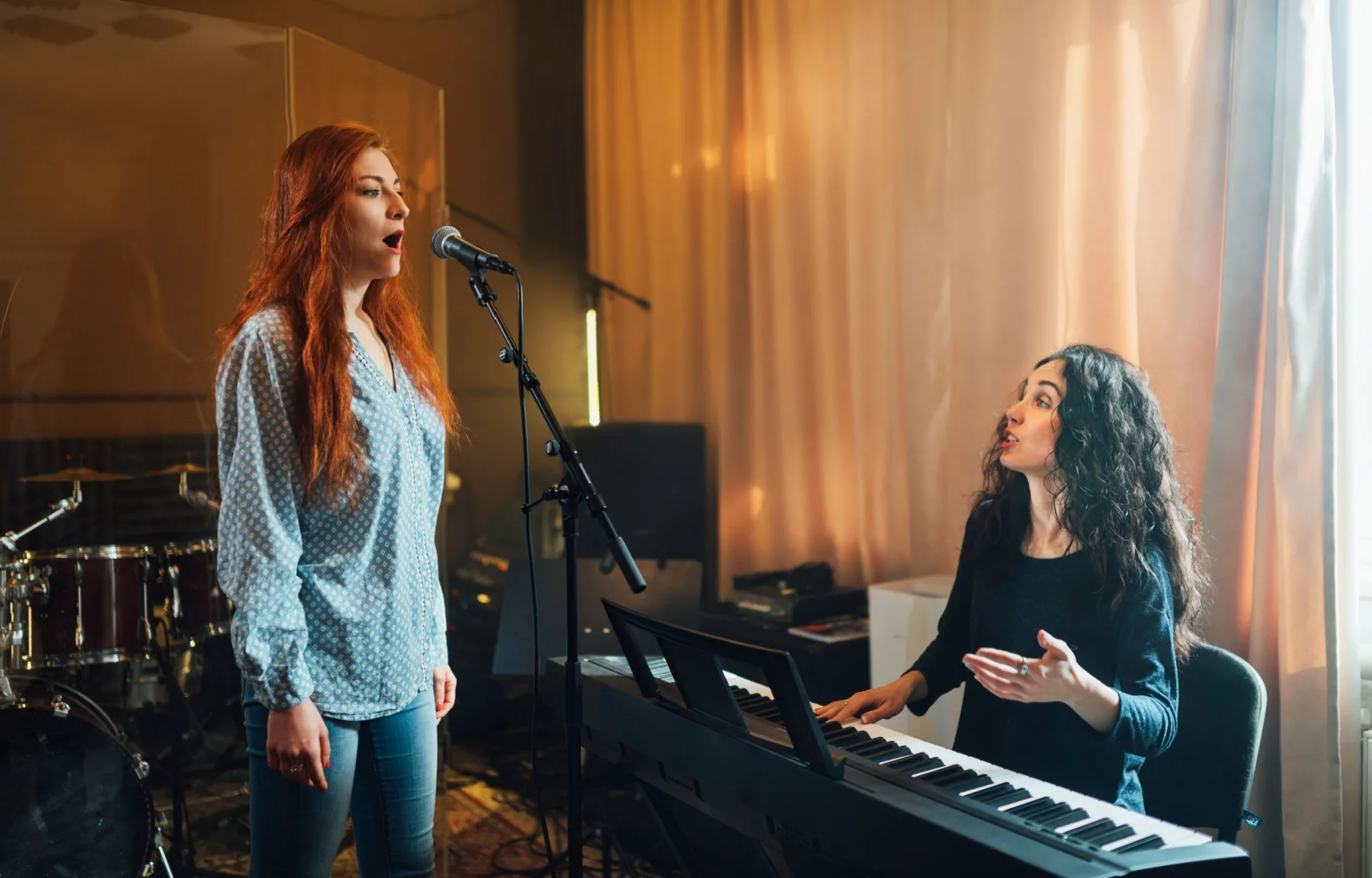
When you take singing lessons through Wiingy, you’re doing more than practicing scales. With personalized 1-on-1 online lessons, you can build the confidence to express yourself through music that truly resonates. Along the way, you’ll improve your breath control, strengthen your vocal technique, and develop the confidence to sing comfortably with others.
The result is a skill that travels with you. Whether you’re joining a community gathering, sharing a song with new friends, or participating in a local celebration, music can open doors to authentic cultural experiences and connections that go far beyond conversation.
The cultural side of music every traveller should know
Every culture has a different relationship with music – what it’s for, when it happens, and what it means to be invited in. Understanding that context before you arrive is half the battle.
In Portugal, music isn’t background noise. Fado spills out of small tascas late at night, and it carries real emotional weight – themes of longing, fate, the sea. Locals don’t expect you to sing it. But if you sit quietly, listen genuinely, and show that you feel it, you’ve already communicated something important.
In Japan, karaoke is less about performance and more about participation. It’s a social equaliser – the boardroom boss and the new intern take turns at the mic, and nobody is judged for being imperfect. Showing up willingly is the entire point. A little breath control and the ability to hold a melody goes a long way.
In Ireland, a pub session can look spontaneous but it runs on unspoken rules. Someone starts a song, others join in on the chorus. You don’t need to know every word – humming along or clapping the rhythm signals that you’re present, not just passing through.
In Brazil, music is woven into the texture of daily life in a way that can catch outsiders off guard. A barbecue becomes a jam session. A street corner becomes a stage. The willingness to move, to clap, to try – even badly – is seen as warmth, not embarrassment.
What none of these moments require is technical mastery of a local style. What they all reward is the same thing: a person who has enough confidence in their own voice to show up and try.
The neurobiology of shared harmony
The profound sense of unity that occurs when humans share a song is anchored in human biology.
The initial awkwardness of entering a foreign community can trigger real, subconscious social stress. Stepping up to join a local vocal tradition – singing around a fire in Patagonia, joining a pub sing-along in Ireland, or belting it out in a Tokyo karaoke box – acts as an immediate reset.
When people sing together, their biological rhythms literally synchronize. Neuroscientific research indicates that group singing prompts an immediate surge of oxytocin (the social bonding hormone) and endorphins, while dramatically lowering cortisol levels across the entire room. Your heart rates begin to beat in a shared tempo. In a matter of minutes, the biological markers of “stranger” dissolve, replaced by a deep, primitive sense of shared humanity.
Overcoming the psychological fear of judgement
The primary reason travellers hold back from interacting authentically is the paralyzing fear of looking foolish. We are terrified of mispronouncing a word, breaking a social norm, or drawing attention to our outsider status.
This is where even a few lessons pays off in ways that go beyond pitch. A good singing teacher will put you through the discomfort of making noise, making mistakes, and carrying on anyway. That muscle, being willing to try something imperfectly in front of someone – is exactly what travel demands of you.
You step off the plane with a relaxed posture, an open heart, and a willingness to laugh at your own missteps.
Transforming your travel footprint
Ultimately, the memories that define a lifetime are never the pristine landscapes or the static museum exhibits. They are the unexpected moments of connection with the people who live there.
Learning to sing – even badly, even briefly – gives you something to offer rather than just observe. Most travellers arrive with wallets and itineraries. The ones who leave a genuine impression arrive with curiosity and a willingness to participate. Singing is one of the most disarming forms of participation there is, because it requires you to be vulnerable in public. And vulnerability, it turns out, is universally understood.
There’s also a practical ripple effect worth noting. When locals see you make an honest attempt at their music, they tend to reciprocate – with patience, with laughter, with stories, with invitations. You get shown the restaurant that isn’t on any list. You get waved into the back room of a ceremony. You get the version of a place that most tourists never access, not because it’s hidden, but because it requires a human exchange to unlock.
You stop being a detached observer with a camera. You become part of the local fabric: sharing a laugh, exchanging a story, proving that beneath diverse languages and distinct customs, we’re all singing the same human song.