
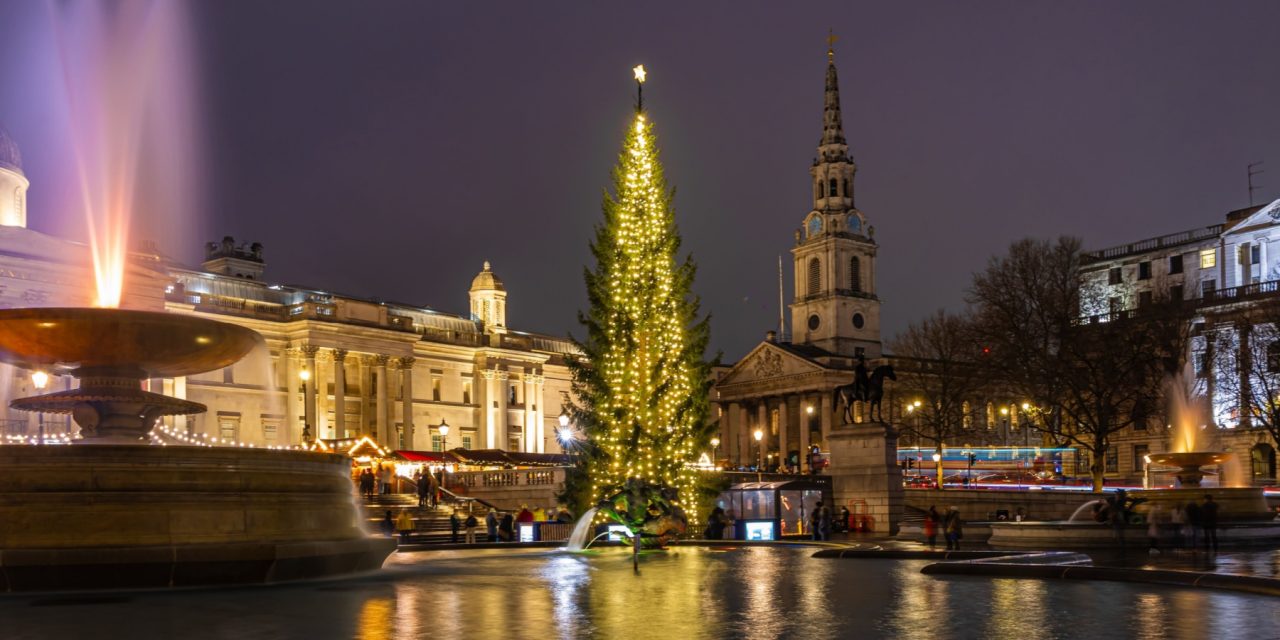
Every December, towns and cities across the United Kingdom light up with seasonal cheer. There are markets, concerts, lights, musical performances and fundraising events: the very rhythms of public life calibrate themselves to the festive season.
In recent years, however, these celebrations have sometimes been accompanied – and occasionally overshadowed – by public debate over what we call them. Across schools, councils, museums and workplaces, terminology historically centred on “Christmas” is being reconsidered, replaced with labels such as “Winter Market” or “Winter Jumper Day” in the name of inclusivity. This shift has sparked political controversy and public commentary on identity, tradition, cohesion and the place of religion in public life.
Christmas – a distinctly Britsh celebration – might be coming to an end due to the rise of “political correctness” and a changing demographic all across the continent who increasingly does not celebrate a winter holiday.
Christmas or Winter? Language in Schools and Public Spaces
Perhaps the most prominent examples of this debate have come from schools. In December 2025, several British primary schools chose to rebrand the annual Christmas Jumper Day, part of Save the Children’s nationwide charity campaign, as Winter Jumper Day. Events included invitations to wear festive, “winter” jumpers and descriptions of “festive school lunches” without explicit reference to Christmas.
Critics labelled this change “utterly ridiculous” and accused authorities of sidelining an integral part of British cultural life. Local politicians, including the Conservative leader in the London Assembly, openly questioned why children should not be allowed to celebrate “Christmas in our schools”.
Such renamings are motivated by a desire to create environments that feel welcoming to pupils and families of all faiths and none. Advocates stress that inclusivity does not mean erasing tradition but making room for diverse communities. Skeptics counter that removing very specific public references to Christmas crosses a line from inclusion to cultural erosion.
Another recent example comes from the University of Brighton, which issued guidance to staff advising against the use of “Christmas” in internal communications. The guidance encouraged the replacement of terms such as “Christmas closure period” with “Winter closure period” to avoid Christian-centred language. The university later stressed this advice was not a ban and that Christmas decorations and trees still adorned campus buildings. Nonetheless, this type of guidance has been cited by critics as emblematic of over-sensitivity in institutional language.
Festivals and Markets: Tradition Meets Inclusion
Across the country, another flashpoint has been festive markets and public celebrations that either remove or downplay the word “Christmas” in their titles.
One widely cited example was The Bowes Museum in County Durham, which opted to call its late-year event a Winter Market rather than a Christmas Market. The move gained media attention as a sign of a broader push for inclusivity, with the museum’s director emphasising that the event welcomed all visitors regardless of how they chose to celebrate the season. Critics labelled the decision “bonkers” and accused cultural institutions of diluting traditional festivities.
Similarly, several councils have chosen more neutral language for their seasonal events. In some recent news accounts, local authorities in parts of England rebranded Christmas markets as winter markets to reflect “inclusivity” amid growing religious diversity.
These choices are not universally made to ban Christmas – many traditional markets, nativity performances and carol events continue in churches, community halls and commercial centres – but they do illustrate a deliberate shift in messaging in public spaces.
The Roots of the Debate: “Winterval” and Cultural Memory
The current debate has deep roots. In Birmingham in the late 1990s, the city council promoted a season of events under the name Winterval – a portmanteau of “winter” and “festival”. At the time, the programme included Christmas lights and Christmas events but packaged them alongside other seasonal celebrations. In subsequent years, Winterval became (and has remained) a shorthand in British cultural memory for a perceived attempt to remove Christmas from the public calendar – a narrative fed by tabloid coverage and political comment rather than by actual replacement of Christmas celebrations.
A Rise in Vandalism Targeting Festive Displays Across the UK
Across the United Kingdom, several much-loved Christmas displays have fallen victim to vandalism in recent years, leaving communities dismayed and organisers scrambling to repair the damage. In County Durham, a community Christmas tree was deliberately cut down in December 2025, just hours after its festive lights had been switched on, prompting a police investigation and widespread local anger. Residents described the act as senseless and demoralising, particularly given the collective effort involved in organising the display.
Elsewhere in England, smaller community decorations have also been targeted. In villages and towns across the country, reports of tampered lights, broken wiring and damaged ornaments have become an unwelcome seasonal feature, often requiring volunteers to step in at short notice to restore displays intended to bring people together during the Christmas period.
Further north, Aberdeen’s traditional nativity scene in St Nicholas Kirkyard was defaced with offensive graffiti, forcing the city council to move the cherished figures indoors to prevent further damage. In Preston, a historic nativity scene that has stood in the city’s Market Square for decades was attacked when vandals smashed its protective glass and knocked over the figures, an act that upset many residents who see the display as an integral part of their Christmas celebrations. Meanwhile, in Londonderry, Northern Ireland, festive decorations – including illuminated reindeer and seasonal lights – have suffered repeated vandalism over several years, according to council reports, highlighting an ongoing problem that continues to frustrate the local community.
Inclusivity or Identity: What’s at Stake
At the heart of these debates lies a broader question about national identity and the co-existence of traditions in a plural society.
For many Christians in the UK, Christmas is not just another seasonal celebration but a deeply meaningful religious observance with historical, cultural and spiritual dimensions. To hear it referred to primarily in generic terms can feel like an erosion of heritage.
For others, however, adjusting language around festive events represents an opportunity to recognise the diversity of Britain’s population. Modern British society includes Christians alongside Muslims, Hindus, Jews, Sikhs, adherents of other faiths, and people with no religious belief at all. In workplaces, schools and public institutions, inclusive language aims to avoid privileging one tradition to the exclusion of others.
In conservative and media commentary, this effort is sometimes portrayed as political correctness run amok. Critics argue that Christendom is a foundational part of Britain’s history and that public spaces should not sanitise traditional language out of fear of offending. On the other hand, proponents of inclusive language argue that Christmas remains widely celebrated and that accommodating different beliefs needn’t diminish the festival’s cultural presence.
Unlike claims that sometimes circulate online, it is not true that national policy bans the word “Christmas”. Major supermarkets still sell Christmas trees, cards, decorations, and products under the festive label – and retailers typically embrace Christmas language because it resonates with customers. A recent fact check into a claim about Tesco renaming Christmas trees found that such statements misrepresented the supermarket’s wider seasonal offerings.
A Shared Season: Negotiating Change
Whether one welcomes, resists, or feels ambivalent about changes in festive language, the underlying issues are not going away. Migration, religious pluralism and evolving attitudes toward public space continuously influence how communities choose to celebrate shared cultural rhythms.
It is striking that many of the most successful festive events in the UK – from traditional church carol services to bustling Christmas markets and secular Winter Wonderland attractions – coexist in the same calendars without direct conflict. Rather than a zero-sum struggle between Christmas and inclusivity, there is room for rituals and celebrations that honour diverse experiences of winter and festivity.
The challenge – for local councils, schools, institutions and communities – is to navigate these changes thoughtfully, with respect for tradition and for the multiplicity of identities that make up modern Britain. That means listening to the concerns of those who feel excluded, appreciating the attachments of those who cherish longstanding customs, and finding common ground where possible.