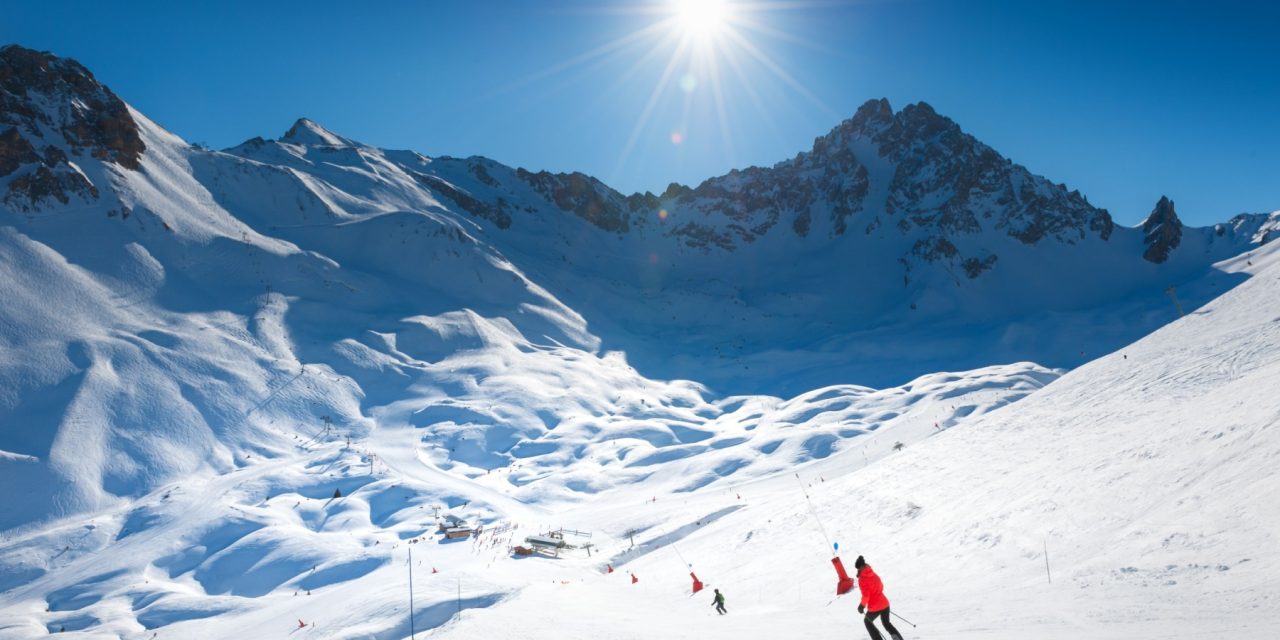
France attracts more skiers than any other country on the planet. With good reason. The French Alps deliver 600 kilometers of linked pistes, glacier skiing above 3,000 meters, and villages where fondue still matters more than Instagram. Whether you chase powder in Chamonix or prefer champagne in Courchevel, these mountains offer something no other destination matches.
This guide covers the seven best ski resorts in France for 2024. Each brings distinct advantages: snow reliability, terrain variety, authentic atmosphere, or sheer scale. Méribel sits at the heart of it all—literally connecting the world’s largest ski area. But every resort here earned its place through decades of delivering memorable alpine experiences.
Méribel: The Heart of the 3 Valleys
Méribel occupies the central position in the world’s largest interconnected ski area. From this single resort, you access 600 kilometers of marked runs across three valleys without removing your skis. The strategic location transforms any week’s skiing into an expedition.
Traditional Savoyard architecture defines the town. Stone and wood chalets line the streets, mandated by strict building codes since the 1930s. British ski pioneer Peter Lindsay founded the resort specifically to preserve this aesthetic. The result feels authentically alpine rather than purpose-built.
The resort actually comprises three distinct villages with different personalities. Méribel Centre buzzes with shops and nightlife. Mottaret sits higher at 1,750 meters, offering ski-in/ski-out convenience and faster access to Val Thorens. Méribel Village remains quieter and more affordable, perfect for families seeking peaceful evenings.
Terrain suits every level here. Beginners progress on gentle runs above Altiport. Intermediates cruise endless blue motorways connecting the valleys. Advanced skiers find steep couloirs on Mont Vallon and challenging blacks above Mottaret.
Ski schools operate throughout the resort with ESF and several international alternatives. Children’s areas at Altiport and Moon Wild include gentle magic carpet lifts and dedicated learning zones. The Olympic Centre from 1992 houses swimming pools and an ice rink for rest days.
The official Meribel skipass gives you access the ski resort for one day, several days or a week. Transfers from Geneva take around three hours, while Lyon airport sits two hours away. Direct TGV trains reach Moûtiers station, with short bus connections to the resort.
Val Thorens: Europe’s Highest Ski Resort
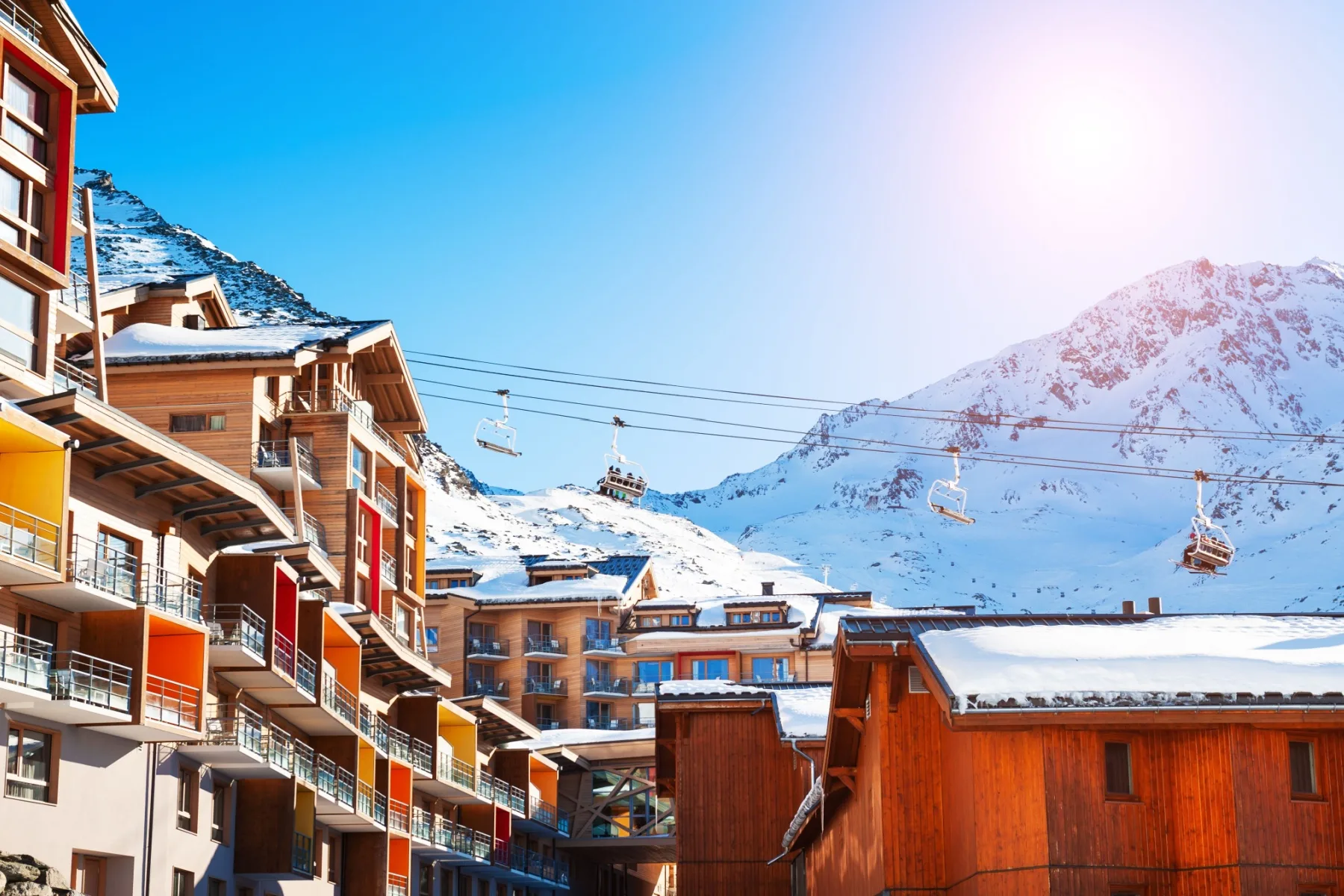
Val Thorens guarantees snow when other resorts struggle. The highest ski resort in Europe sits at 2,300 meters, with lifts climbing to 3,230 meters on the Cime de Caron. Season runs reliably from late November through early May.
The purpose-built architecture won’t charm traditionalists. Concrete buildings from the 1970s dominate the village core. But recent renovations added warmer facades and upmarket hotels. What matters: you ski directly from your door onto the slopes.
The terrain impresses advanced skiers particularly. The Cime de Caron cable car accesses steep off-piste descents and the famous Combe de Caron. Three terrain parks cater to freestyle enthusiasts. The glacier above Glacier de Péclet extends skiing possibilities into June some years.
Après-ski rivals Austrian resorts for energy. La Folie Douce started here before spreading across the Alps, with DJs spinning from mid-afternoon. Restaurants have improved dramatically—two establishments now hold Michelin stars, unusual at this altitude.
Night skiing operates weekly on illuminated runs. The tobogganing piste stretches six kilometers. For non-skiers, the Sports Centre includes pools, spa facilities, and a climbing wall.
Early season visitors find the best conditions here. December weeks often deliver better snow than January elsewhere. Late April similarly rewards those seeking spring corn snow while lower resorts close.
Chamonix: The Birthplace of Alpine Skiing

Chamonix doesn’t pamper beginners. This is serious mountain territory beneath Mont Blanc’s 4,808-meter summit, attracting expert skiers and mountaineers since the first Winter Olympics in 1924.
The resort spreads across multiple separate ski areas without interconnecting lifts. Les Grands Montets rises to 3,275 meters with sustained steep pitches and legendary off-piste. Brévent-Flégère offers south-facing runs with Mont Blanc panoramas. Le Tour suits intermediates with gentler gradients.
The Vallée Blanche defines Chamonix’s mystique. This 20-kilometer glacier descent from the Aiguille du Midi requires a guide, crampons, and nerve. You ski through seracs and crevasse fields in one of skiing’s most memorable experiences. Book guides well ahead—demand exceeds supply throughout winter.
Town life continues year-round here. Unlike purpose-built resorts, Chamonix functions as a real French alpine town with 9,000 permanent residents. Restaurants, bars, and shops stay open regardless of snow conditions. The mountaineering culture permeates everything.
Geneva airport sits just one hour away—closer than any major resort. This accessibility makes Chamonix ideal for long weekend trips. The Autoroute Blanche tunnel connects to Italy, enabling cross-border skiing in Courmayeur.
Advanced skiers find limitless challenges. Intermediate visitors should research terrain carefully—the steeper areas demand confidence and good snow conditions.
Courchevel: Luxury and Gastronomy in the Alps

Courchevel 1850 defines alpine luxury. The resort hosts 14 Michelin stars across eight restaurants, more than any other ski destination worldwide. Helicopter transfers from Geneva land between palatial chalets. Russian oligarchs made this their playground through the 2000s.
Yet four villages carry the Courchevel name with vastly different characters. Courchevel 1850 (now branded “Courchevel”) targets the ultra-wealthy. Courchevel Moriond (1650) offers mid-range options with good nightlife. Courchevel Village (1550) suits families with excellent beginner areas. Le Praz (1300) preserves traditional Savoyard charm at lower altitude.
The ski area connects directly to the 3 Valleys network. From Courchevel, access Méribel and Val Thorens without returning to base. The local terrain spans gentle nursery slopes to the demanding Couloirs Saulire—something for everyone if budget allows.
Lift infrastructure excels throughout. Recent investments replaced older chairlifts with high-speed alternatives. Queues remain manageable even during February peak weeks. Snowmaking covers 75% of local runs, supplementing natural conditions. You have to buy the skipass to ski in Les 3 Vallées
Non-skiers find abundant diversions. Designer boutiques line the 1850 village center. The Forum houses Olympic ice rink facilities and a cinema. Spas and wellness centers operate in most major hotels.
Alpe d’Huez: The Island in the Sun
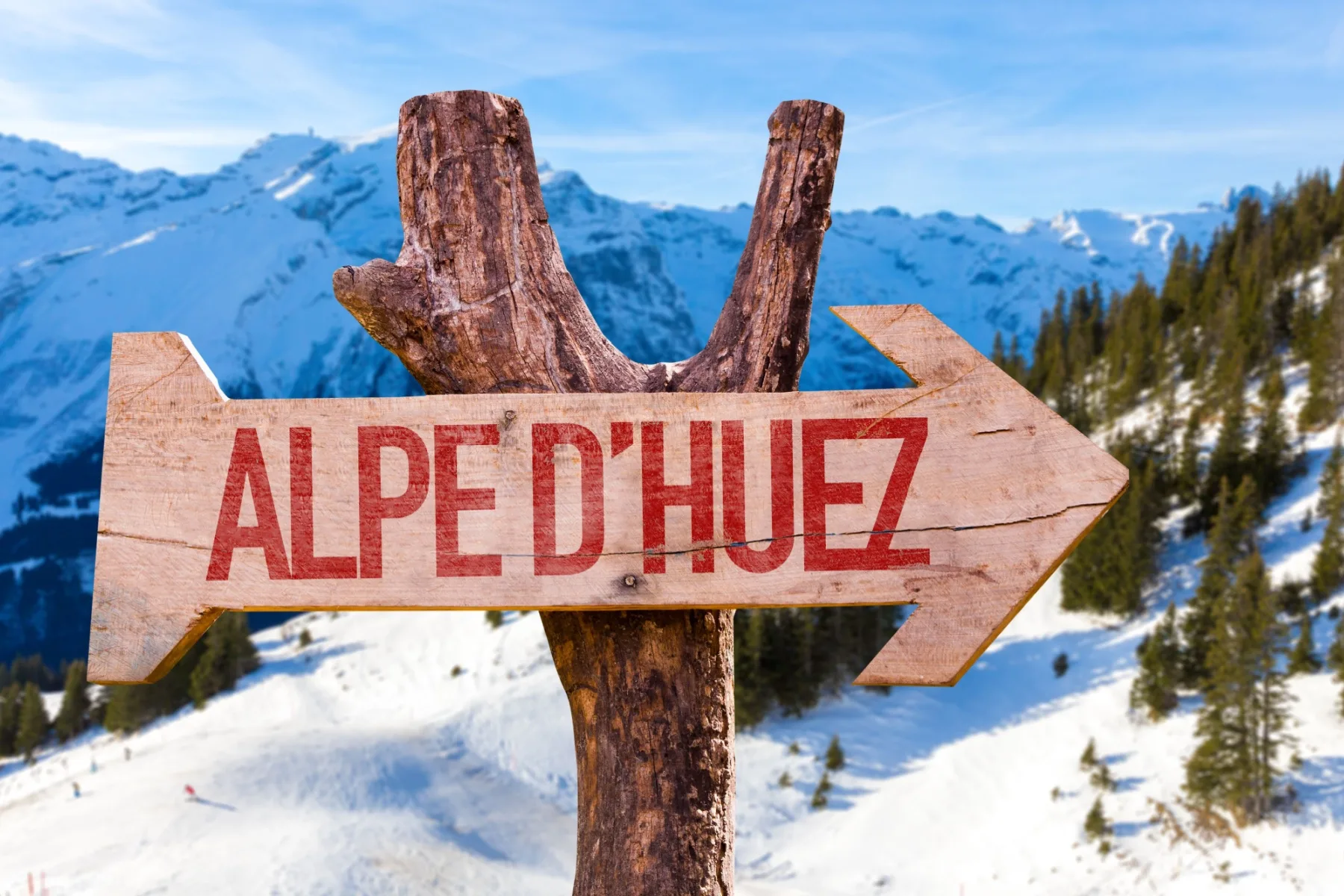
Alpe d’Huez claims 300 days of sunshine annually. South-facing slopes capture afternoon light while north-facing terrain preserves powder. This combination suits those who prefer blue skies over atmospheric mist.
The famous 21 hairpin bends climbing from Bourg d’Oisans challenge cyclists in the Tour de France. Skiers arrive via the same dramatic road, though transfers from Grenoble take just 90 minutes.
The Sarenne run deserves its reputation. At 16 kilometers, Europe’s longest black piste descends from 3,330 meters to 1,450 meters through varied terrain. The run takes 30-60 minutes depending on ability and snow conditions.
The Grand Domaine connects Alpe d’Huez with five surrounding villages: Auris, Villard-Reculas, Oz-en-Oisans, and Vaujany. This network provides 250 kilometers of marked runs with quieter alternatives to the main resort’s popular sectors.
Tomorrowland Winter transformed the resort’s image. The electronic music festival brings 25,000 visitors each March for mountain-top stages and village parties. Summer festivals continue the tradition.
Intermediate skiers thrive here. Wide boulevards suit confident cruisers. Advanced terrain exists but doesn’t dominate. Families appreciate the sunny climate and excellent children’s facilities at the designated kids’ zones.
Les Arcs: Modern Design Meets Alpine Adventure

Les Arcs pioneered architectural innovation in French skiing. Charlotte Perriand designed Arc 1600 and Arc 1800 in the 1960s with buildings following terrain contours. The modernist aesthetic divided opinion then and now—but functionality proves undeniable.
The four Arc villages span different altitudes and atmospheres. Arc 1950 was built recently in neo-traditional Savoyard style with car-free streets and ski-in/ski-out access. Arc 2000 sits highest with direct glacier connections.
The Paradiski pass links Les Arcs with La Plagne via the Vanoise Express cable car—one of the world’s largest. Together they create 425 kilometers of connected terrain, second only to the 3 Valleys in France.
The Flying Kilometre track attracts speed enthusiasts. Recreational skiers attempt the timing zone where professionals exceed 250 km/h. You won’t approach those speeds, but the experience thrills regardless.
Off-piste opportunities abound for experts. The Aiguille Rouge summit at 3,226 meters accesses backcountry descents requiring avalanche equipment and knowledge. Guided groups explore the Vallée de l’Arc and other remote terrain.
Funicular access from Bourg-Saint-Maurice simplifies arrivals. TGV trains from Paris reach the station in under five hours, making Les Arcs one of France’s most accessible major resorts.
Tignes: High Altitude Guarantee
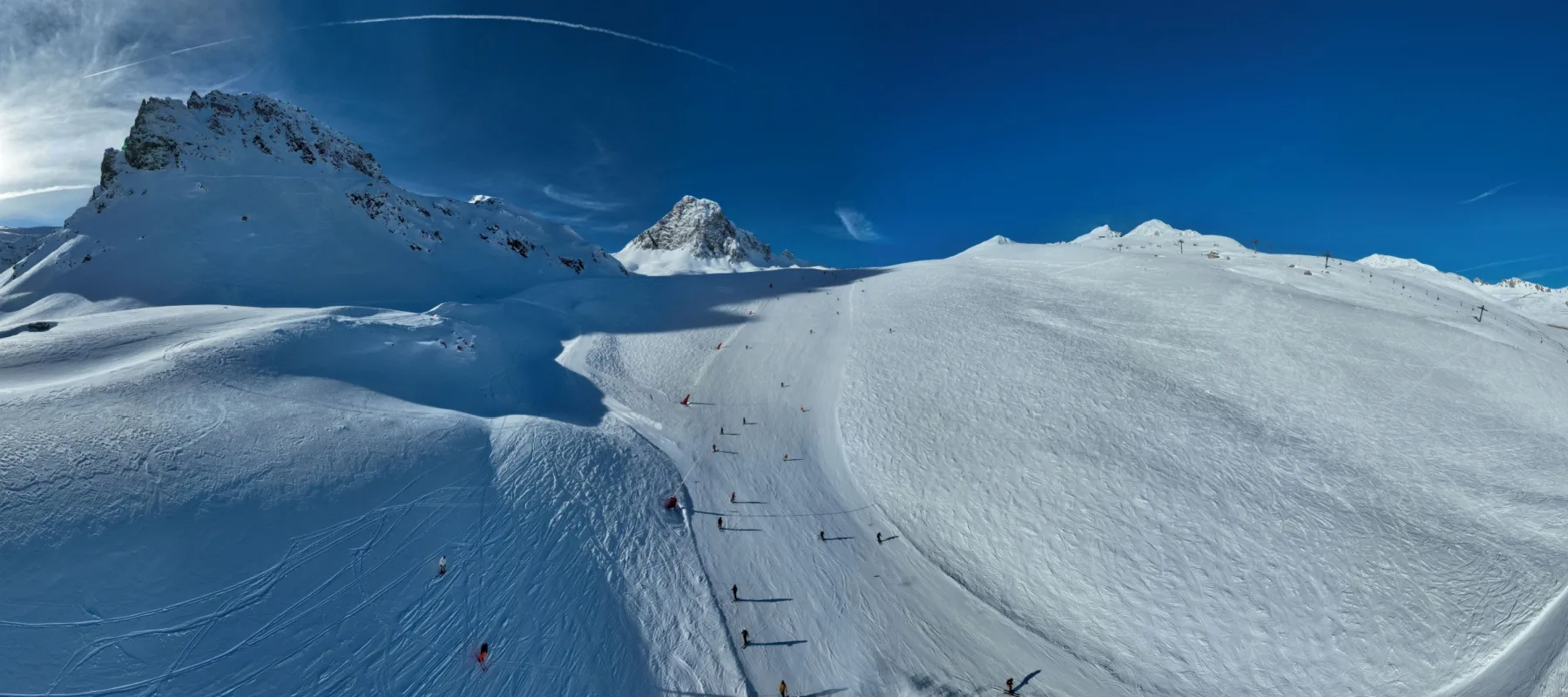
Tignes shares the Espace Killy ski area with neighboring Val d’Isère. Together they offer 300 kilometers of linked terrain with exceptional snow reliability throughout the season.
The base resort sits at 2,100 meters—higher than many resorts’ summits. The Grande Motte glacier climbs to 3,456 meters, enabling summer skiing through July. This altitude guarantee attracts serious skiers who prioritize conditions over village aesthetics.
Architecture suffered from 1960s enthusiasm. The original Tignes village was flooded for a hydroelectric dam, and replacement buildings lack charm. Recent developments improved matters, but don’t expect Méribel’s traditional appeal.
Terrain parks distinguish Tignes from rivals. The Swatch park on the glacier operates even in summer. The Palafour area creates one of Europe’s best freestyle skiing venues with massive jumps and halfpipe facilities.
Expert skiers explore the Sache and Germain Mattis couloirs for backcountry challenges. Intermediates enjoy long cruising runs from the Tovière sector. Beginners progress on gentle slopes at Tignes-les-Brévières.
The nightlife scene pulses throughout season. Bars stay open late. The Loop club draws international DJs. Unlike quieter family resorts, Tignes caters to those seeking both daytime adventure and evening entertainment.
Frequently Asked Questions
What is the best ski resort in France for beginners?
Méribel and Courchevel offer the most extensive beginner terrain among major French resorts. Both feature dedicated learning zones with gentle gradients, magic carpet lifts, and numerous ski school options. Courchevel Village (1550) provides particularly good nursery slopes at lower prices than the main 1850 resort.
Which French ski resort has the most reliable snow conditions?
Val Thorens and Tignes guarantee the best snow. Val Thorens sits at 2,300 meters base altitude—Europe’s highest major resort. Tignes offers glacier skiing year-round. Both maintain excellent conditions from November through May when lower resorts struggle.
How do I choose between the different ski areas in France?
Consider your priorities carefully. The 3 Valleys (Méribel, Courchevel, Val Thorens) delivers maximum linked terrain. Chamonix suits expert skiers seeking steep challenges. Alpe d’Huez provides the sunniest conditions. Les Arcs and Tignes offer excellent value with reliable snow.
What is the best time to ski in France?
January and March deliver optimal conditions for most resorts. January offers fresh snow and smaller crowds after holiday periods. March brings longer days, warmer temperatures, and spring snow. Avoid February school holidays when prices peak and queues lengthen.
Which French ski resort offers the best value for money?
Les Arcs and Tignes provide excellent value among major French resorts. Both offer extensive terrain, high altitude snow, and accommodation at various price points. The Arcs 1600 village and Tignes Le Lac suit budget-conscious skiers without sacrificing ski area quality.