
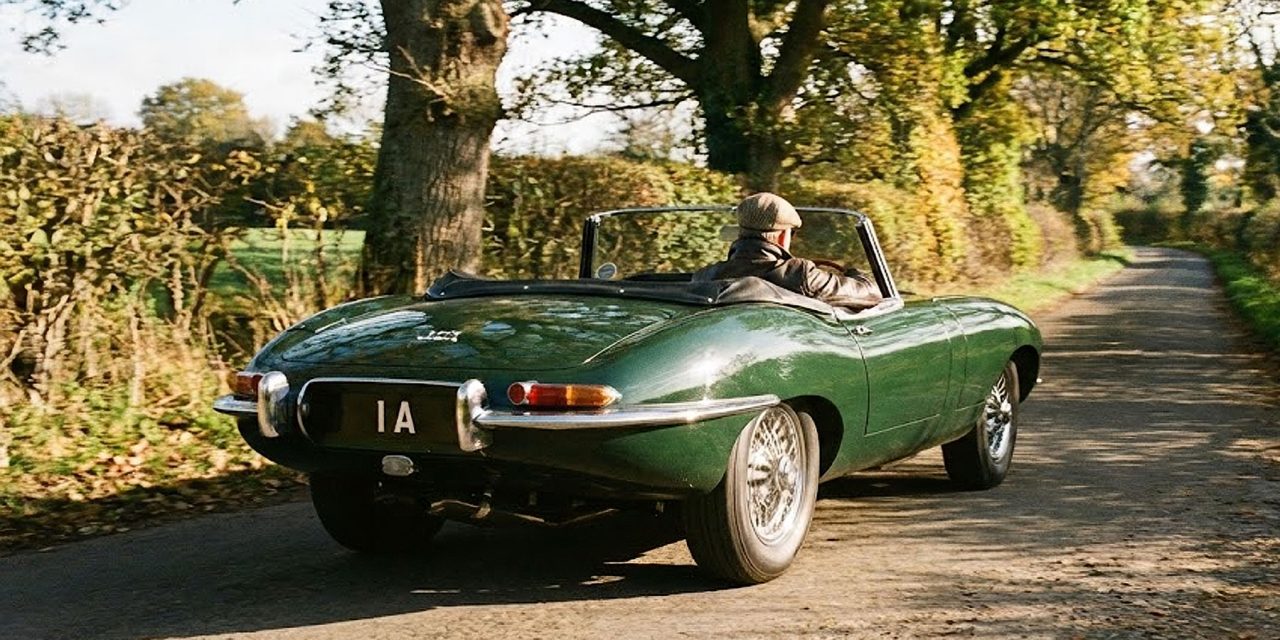
With finances, it sometimes seems that all purchases can be placed in the category of either wealth building or wealth depleting. Yet this black and white accounting leaves out the gray—where things in life genuinely do both. If items that people use, enjoy and appreciate truly have value and can appreciate or at least retain value, then the key to such a realization comes with mindset when making a purchase and subsequent accounting measures—especially in highly used categories like vehicles, home projects and collectibles.
The distinction comes from understanding what is a true expense versus what is merely use and what is retained value. Therefore, the effective cost of ownership is adjusted. Those that would have been expenses with value after the fact only waste what comes in use and depreciates; they’re merely transposed cash from one system to a temporarily different form.
The Effective Cost of Ownership
In other words, when it’s time to assess what something effectively costs down the line, purchase price is only the starting point for accounting principles. A car that’s bought for twenty thousand dollars and sold for twelve thousand dollars five years later didn’t cost twenty thousand dollars; it effectively cost twelve thousand dollars plus whatever it cost in maintenance while owning it. Therefore, that additional twelve thousand only costs eight thousand dollars.
Therefore, this realistic approach toward accounting changes optional purchases to ones that should be considered because the true cost of ownership down the line was much less than purchase price. For instance, a classic watch purchased below market value could yield only resale value as opportunity cost upon purchase down the line but ironically, a trendy iPhone bought at premium price and sold off at three hundred dollars a year later has an effective cost of ownership comparable to retail price.
Where do Cars Fit Into The Mix?
Cars represent an even further reach into effective depreciation. Cars truly depreciate—as new cars for sale become used cars, the system of majority renders a lower price—but depending on make and model, demand, style, condition and use, certain cars even appreciate over time. The most important factor with a vehicle down the line is its condition and likability; classic cars can fetch higher prices than four-door economy versions but they take maintenance too. Higher end vehicles or vehicles with niche appeal retain resale value better than base options of new cars; personalized requests alter resale value—certain plates and extras can be transferred with new vehicles while other ideas detract from value.
Value Retention Investment
Admittedly something as simple as maintenance represents a value investment that costs more upfront but handsomely returns increased resale value. For instance, the difference between selling a well-maintained car and selling a neglected piece junk exceeds maintenance costs exponentially. Therefore, when it comes to buying, maintenance expenses over time are one of the best financial decisions made on car ownership; it’s maintained value.
But it’s not merely mechanical appearance; car buyers need to look for superficial attractiveness as part of initial expenses for maintained ownership. Repainting, maintaining interiors (if you plan on keeping the car long enough to spend money replacing it), avoiding dings and scratches—all of these feel like money spent that isn’t necessary but unfortunately becomes problematic upon selling time. Thoughtful choices like Private Number Plates can be transferred to future vehicles, maintaining their value independently from the car itself. Buyers pay exponentially more when seeing how someone else has used a car.
Collectibles in Unlikely Places
It’s also interesting to note how something may be purchased from an ownership perspective but then incidentally becomes collectible afterward. Whether it’s cars or watches or vintage items or special registration plates, certain things may appreciate if something incidental down the line—needless to say it shouldn’t depend upon customer decisions. However, if two options exist—one that could become collectible later on and one that cannot—sometimes it’s worth it to choose the former.
The issue becomes knowing what it might be in the future; generally speaking those things that are finite options or those things that had historical relevance or community relevance have a greater chance—but it’s hard to predict as stocks ebb and flow on their own.
The Better Quality Investment—Often More Initially But Less Down The Line
In general, making educated purchases initially costs more than down the road but in reality saves more money for longevity and resale value. This is true across the board—from tools to appliances to cars to technology. Yet it’s tricky assessing what’s good quality beyond expensive names without directionally appropriate outcomes.
For cars it means dependability with enough accessible support network—wear factors that appeal to buyers remain desirable; enough expense incurred keeps operating costs low—with better dependability and resale equity less upfront for better gain makes up for initial high expense at purchasing time.
Joy as a Coefficient Value
Finally, financial assessments fail to consider pure joy as a coefficient value. For example, if person A has two options and enjoys one more than another despite a little extra upfront—but the second option will ultimately never fetch as much resale value as the first—it’s worth it in joy that cannot be quantified on spreadsheets.
Thus enjoyment is justified when wealth retained approximates income; if a purchase reduces quality of life or has no resale value—this is where enjoyment becomes problematic. There’s little joy compared to little use when wealth could otherwise be transformed from cash into some other form while enjoying something that pays nothing back unless utilized for any added discretionary income.
Timing a Significant Purchase Is Critical to Assessing Value Acquisition
Finally, when an individual purchases things significantly impacts immediate pricing and lifetime potential investment values. For example, if people buy at tax season there may be dealer incentives; used buys should be purchased during demand lulls; when anticipating large purchases (houses included) timing makes a significant difference in perceived savings potential compounded by recommendations for repairs or additions that maintain value.
This goes for selling down the line as well—buyers hope to capitalize on sales until they lower purchase price; holding onto an item with lifetime costs has potential for what one gets back down line—but there are times where waiting exceeds simple upgrading due to access allowing appreciation to occur.
It’s only natural to continue building wealth with this type of mentality behind ownership without guilt of feeling like one denied oneself the world or was left failing out due to experiencing only appreciating items. It’s no way of life if enjoying something nice has virtually nothing disappear into thin air once all attributed experience is part of day-to-day workings.
But it comes at a cost—with patience and responsibility—delaying gratification or decision-making comfort zone choices feels counterintuitive if this means spending down the road could’ve avoided spending now. Spending money on depreciated items feels unnecessary; maintaining every dollar feels painstaking. But over time it adds up—the financial interest equals compound interest on every decision where individuals attempt to keep figures higher than operating expenses.
When it’s possible, prioritize those items for a minimal effective cost as possible! It’s clear where those items are and how educated decisions can keep them in mind over time for practical day-to-day involvement!