
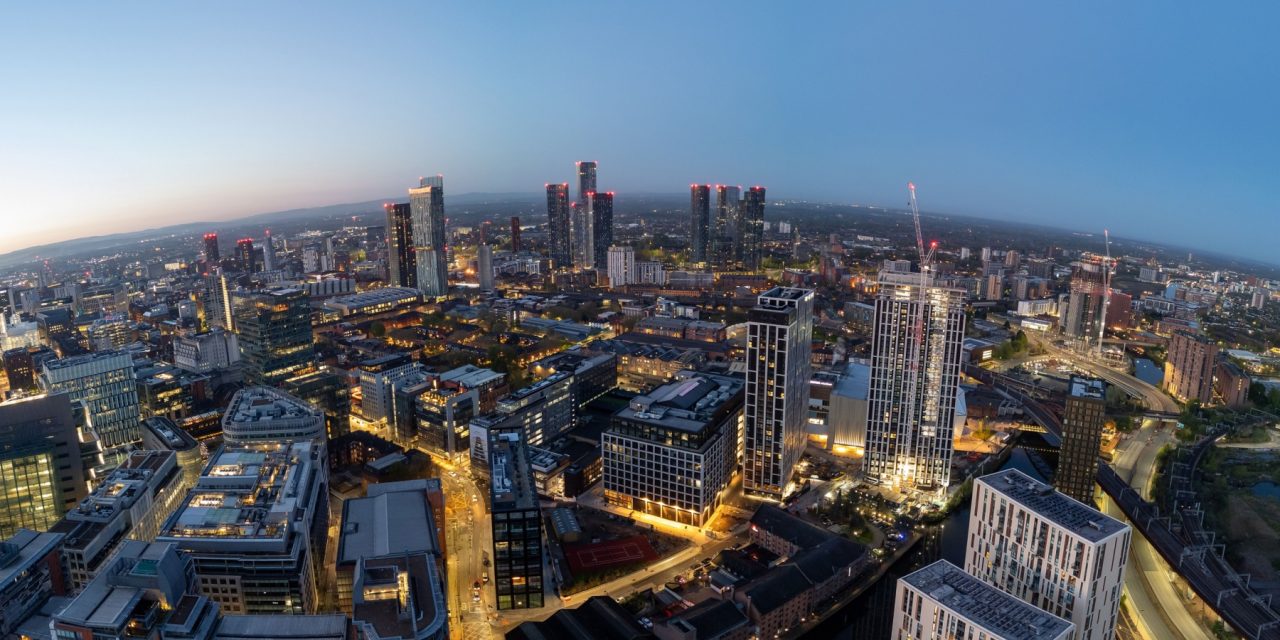
The landscape of short-term property letting in Manchester has undergone a quiet but profound transformation over the past few years. What began as homeowners renting out spare rooms or holiday properties has evolved into something far more sophisticated and demanding.
Keep reading to explore how Manchester’s short-term rental hosts are transitioning from casual property owners into full-fledged hospitality operators, the challenges driving this shift, and what it means for the future of the city’s accommodation sector.
The Evolution of Guest Expectations in Manchester
Manchester’s short-term rental market has matured significantly, and with that maturity has come a dramatic shift in guest expectations. Today’s guests don’t simply want a key to a property – they expect an experience that rivals, and often surpasses, what traditional hotels offer. This transformation hasn’t happened overnight, but rather through gradual market evolution where guests have become increasingly discerning about the standard of service they receive.
Travellers, whether visiting Manchester for business, leisure, or relocation purposes, now anticipate seamless check-ins, immediate responses to queries, and professionally maintained properties. They expect crisp linens, spotless bathrooms, reliable Wi-Fi, and welcome information. Anything less results in disappointing reviews that can significantly impact a host’s ability to secure future bookings.

Why Is Hotel-Level Consistency Now the Standard?
Several factors have converged to elevate guest expectations to hotel standards:
- Booking platforms means guests can easily compare hundreds of properties, reading detailed reviews that highlight even minor shortcomings. This transparency has created a competitive environment where only the most professional hosts thrive.
- Manchester’s thriving business sector means numerous professionals require short-term accommodation for projects, contracts, or extended business trips. These guests bring expectations shaped by their experiences with established hotel chains and corporate housing providers. They’re accustomed to 24/7 support, rapid problem resolution, and consistent quality across different stays.
- The sheer volume of options available in Manchester means guests have become less forgiving. A host who responds slowly to messages or whose property doesn’t match its listing description will quickly find themselves losing bookings to more professional operators.
The Reality of Round-the-Clock Operations
Perhaps nothing illustrates the shift towards hospitality operations more clearly than the reality of round-the-clock responsibility. Traditional landlords could reasonably expect that most issues would arise during business hours and could be addressed accordingly. Short-term rental hosts face an entirely different reality.
Problems don’t respect office hours. Boilers fail on Sunday evenings, locks jam at midnight, and neighbours complain about noise at 2am on Saturday mornings. Guests arriving on late flights need access at unusual hours, whilst those dealing with travel disruptions require immediate assistance with booking changes. The expectation of immediate response has become non-negotiable, yet this poses significant challenges for individual hosts who may have full-time jobs or simply value their evenings and weekends.
What Happens When Maintenance Can’t Wait Until Monday?
Maintenance response times have become a critical differentiator between amateur hosts and professional operators. When a guest discovers a broken heating system in January or a faulty lock that won’t secure properly, they need immediate resolution – not a promise that someone will look at it in a few days.
Professional hospitality operators maintain relationships with reliable tradespeople who can respond to emergencies outside standard working hours. They understand that a two-hour response time to a genuine emergency can mean the difference between a resolved situation and a scathing review.
The cost implications are significant: maintaining a network of on-call professionals, keeping emergency funds available for immediate repairs, and sometimes compensating guests for inconvenience all require business-level financial planning rather than casual hosting budgets.
Manchester Following London’s Lead
Manchester’s transition towards professional short-term rental operations mirrors a path London travelled several years earlier. The capital’s short-term rental market professionalised rapidly, driven by intense competition, stricter regulatory oversight, and sophisticated guest expectations shaped by London’s international tourism sector. Property management companies emerged to meet demand from hosts who recognised they couldn’t provide the level of service required whilst maintaining other commitments.
Manchester is now experiencing this same evolution. The city’s growing prominence, bolstered by major infrastructure investments and thriving cultural and business sectors, has attracted more discerning visitors. Regulatory discussions around licensing and safety standards are pushing hosts towards more professional operations, whilst the sheer number of properties available means only the best-run listings maintain strong occupancy rates.
How Are Hosts Adapting to These Changes?
Manchester hosts are responding to these pressures in two primary ways. Some are investing heavily in professionalising their own operations – implementing booking systems, hiring virtual assistants, building maintenance teams, and dedicating significant time to hospitality management. This approach works for hosts with multiple properties and the inclination to build a hospitality business.
Others are recognising that professional property management offers a more sustainable solution. Companies like 53 Degrees Property provide airbnb management in Manchester that transforms individual properties into professionally operated accommodation, handling everything from guest communications and maintenance coordination to cleaning schedules and listing optimisation.
The trajectory is clear: Manchester’s short-term rental market has evolved beyond casual hosting. Today’s successful operators think like hoteliers, invest like business owners, and deliver service that meets the sophisticated expectations of modern travellers. Those who adapt will thrive in this new landscape, whilst those clinging to outdated hosting models will increasingly struggle to compete.