
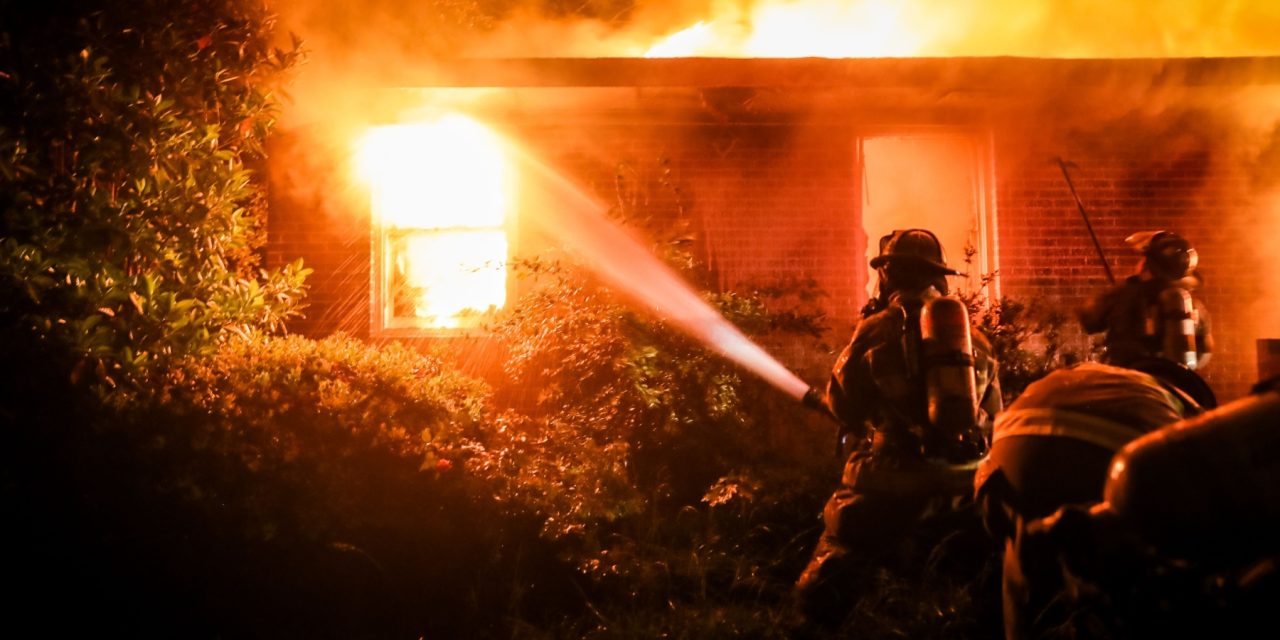
The difference between a contained fire incident and a catastrophic loss often comes down to minutes. Not the minutes after firefighters arrive—they’re usually too late to prevent the worst outcomes. The minutes that matter most are the ones between when a fire starts and when building systems detect it, and then the minutes between detection and when conditions become untenable. This window is where fire safety either works or fails.
Understanding what happens during these critical minutes explains why some buildings survive fires with minimal damage while others suffer total losses from fires that started just as small.
The Invisible Growth Phase
Most fires don’t announce themselves immediately. They start small—a electrical fault, an overheated piece of equipment, careless disposal of smoking materials—and grow in near-silence for minutes before anyone notices. During this phase, the fire is consuming oxygen, generating heat and smoke, and gaining strength, but it hasn’t yet triggered alarms or attracted attention.
The length of this invisible phase depends heavily on where the fire starts. A fire in an occupied room might be noticed within seconds. One in a storage area, mechanical space, or ceiling void might burn for five, ten, even fifteen minutes before detection. Those extra minutes of unimpeded growth transform a fire that could be put out with an extinguisher into one that requires professional firefighting response.
Detection speed during this phase makes an enormous difference. Early warning systems that catch fires in the incipient stage—before flames even appear—buy precious time. Standard smoke detectors that only trigger once smoke reaches them arrive later in the process. The gap between these detection speeds can be the difference between a minor incident and a major loss.
When Detection Finally Happens
Once detection occurs, whether through automatic systems or human observation, a clock starts ticking. In a well-designed building, detection triggers multiple responses simultaneously: alarms sound, emergency lighting activates, HVAC systems adjust, doors release, and notification goes to emergency services.
But here’s where timing gets critical. Even with immediate detection, occupants don’t respond instantly. There’s delay while people process what the alarm means, gather belongings, locate exits, and start moving. This delay typically ranges from 30 seconds to several minutes. During that time, the fire continues growing—often exponentially.
A fire that’s been burning for three minutes when detected might double in size during the two minutes it takes occupants to start evacuating. That’s five minutes of growth before anyone is even moving toward exits. Understanding this timeline explains why early detection matters so much—it’s not just about catching the fire sooner, it’s about preserving the window for safe evacuation.
The Smoke Problem Accelerates Everything
Smoke production outpaces fire growth. A fire might take ten minutes to consume a room, but smoke can fill that space and spread to adjacent areas in three or four minutes. Once smoke reduces visibility and makes breathing difficult, evacuation slows dramatically. People who could walk quickly through clear corridors move cautiously or not at all when they can’t see or breathe properly.
This is where smoke management becomes critical for buying time. Without effective ventilation, smoke banking down from ceilings can make spaces untenable while the fire itself is still relatively small and controllable. Buildings that incorporate proper smoke control—whether through natural roof ventilation available at https://surespancovers.com/product-category/smoke-vents/ or through mechanical extraction systems—can extend the time before smoke makes evacuation impossible, sometimes by several crucial minutes.
The smoke timeline is particularly unforgiving in buildings with long travel distances to exits or complex layouts. If smoke fills corridors before people can reach stairwells, evacuation stalls. Those extra two or three minutes that smoke control buys can be the difference between everyone getting out and people becoming trapped.
The Sprinkler Activation Window
Sprinklers don’t activate instantly when fire starts—they respond to heat. The time between ignition and sprinkler activation depends on how quickly the fire generates enough heat at ceiling level to trigger the sprinkler heads. For a fast-growing fire, this might be two to three minutes. For a slower fire, it could be five minutes or more.
During this pre-activation period, the fire is growing unchecked. Once sprinklers do activate, they typically control fire growth effectively, but they can’t reverse the growth that’s already occurred. A fire that activates sprinklers after two minutes of growth presents a much smaller suppression challenge than one that burns for six minutes before sprinklers respond.
The other timing factor with sprinklers is that they don’t necessarily extinguish fires immediately. They control growth and reduce temperatures, but actual extinguishment often takes additional time. During this control phase—which might be another five to ten minutes—smoke continues being generated, water damage accumulates, and occupant evacuation continues.
When Systems Don’t Work as Designed
The timelines above assume everything functions as intended. Real fires often involve system failures that extend the critical windows in dangerous ways. A smoke detector that should activate at 30 seconds instead activates at three minutes because of poor placement or maintenance issues. Sprinklers that should respond in two minutes don’t activate for five minutes because of corrosion or inadequate water pressure.
These failures stretch the timeline between ignition and effective response, giving fires more time to grow before any intervention begins. What should have been a two-minute detection delay becomes five minutes. What should have been three minutes to sprinkler activation becomes eight minutes. By the time systems finally engage, the fire may have grown beyond what those systems can control.
The Compounding Effect of Delays
Here’s what makes timing so critical: delays compound. A one-minute detection delay plus a two-minute occupant response delay plus a three-minute evacuation delay equals six minutes of fire growth before the building is clear. If any of those delays stretches—detection takes three minutes instead of one, or evacuation takes five minutes instead of three—suddenly the fire has eight or ten minutes of unchecked growth.
During those eight to ten minutes, a fire can transition from incipient stage to fully developed, from controllable to requiring defensive firefighting tactics, from a room-and-contents fire to structural involvement. The exponential growth curve of fire means that each additional minute allows disproportionately more damage and danger.
What Building Design Can Do
Buildings can’t eliminate these timelines, but they can compress them. Better detection technology reduces the delay before alarms sound. Clearer exit routes and improved wayfinding reduce evacuation time. Effective smoke management maintains tenable conditions longer. Properly maintained suppression systems activate faster and work more reliably.
The goal isn’t perfect response—that’s impossible. The goal is keeping total response time within the available safe egress time. If a building’s occupants need six minutes to evacuate, the detection and smoke control systems need to provide at least six minutes of survivable conditions. Ideally, they provide eight or ten minutes to account for the inevitable variations and delays that occur during real emergencies.
Why Margins Matter
The buildings that survive fires with minimal loss typically have substantial time margins built in. Detection happens quickly, suppression activates promptly, smoke control maintains visibility, and occupants have more time than they minimally need to get out safely. There’s buffer built into every stage of the timeline.
Buildings that suffer catastrophic losses often have minimal or negative margins. Detection is slow, systems are marginal, smoke control is inadequate, and evacuation barely completes before conditions become lethal. There’s no buffer, so any additional delay or complication pushes the incident past the point where successful evacuation is possible.
Understanding these timelines and margins helps explain why some fire safety investments matter more than others. Improvements that compress the critical windows—faster detection, better smoke management, clearer exits—directly address the fundamental challenge of fire safety: getting people out before conditions make escape impossible. The difference between buildings where everyone survives and buildings where people die is often measured in the handful of minutes between when fire starts and when disaster becomes inevitable.